



Buried valves and underground valves are widely used in municipal and petrochemical pipelines. Without a matched valve stem extension, repeated road excavation is required for operation, bringing high costs and safety risks, including rust, blockage and leakage. As a professional manufacturer, Sedelon offers customized extended stem valve solutions with anti-corrosion structures. This article elaborates on relevant design, selection and installation standards to help global buyers avoid underground pipeline operational risks.
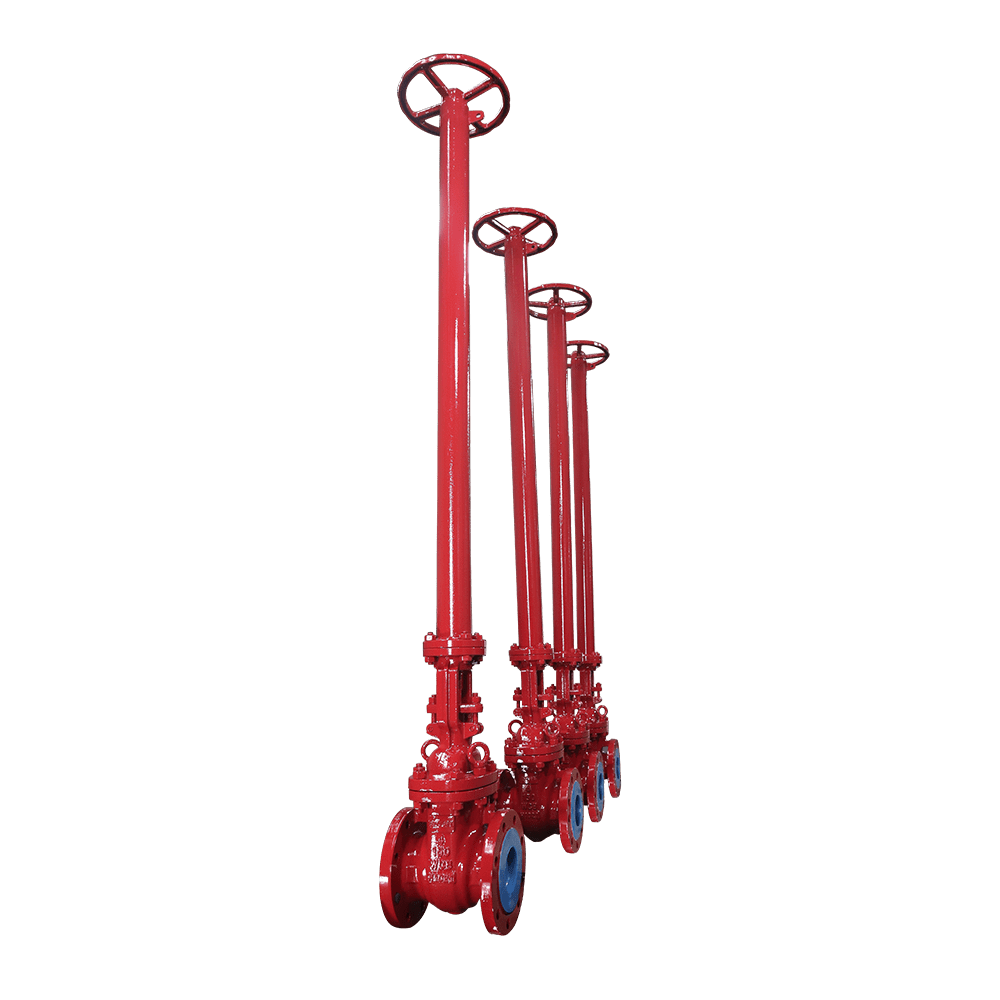
Core Design and Classification of Valve Stem Extensions
Four core design requirements for underground extension-stem valves
The extended rod of the valve stem in the buried condition cannot be simply understood as an extended shaft; it must simultaneously meet four strict design conditions to ensure the long-term reliable operation of buried valves and underground valves.
| Core design requirements | Detailed specifications | Potential risks of non-compliance |
| Reliable Torque Transmission Connection | Precision Splines / Keyed Connection Structure with Anti-Loosening Locking Mechanism | Slippage in the connection prevents torque transfer from the ground to the valve actuation |
| Dual Corrosion Protection System | Outer Protective Pipe with Fusion-Bonded Epoxy Coating, Internal Drive Rod Made of Stainless Steel | Underground corrosion leads to increased operating torque or complete jamming |
| Multi-Stage Waterproof and Dustproof Sealing | Composite Packing + External Dust Sleeve to Prevent Soil and Groundwater Ingress | Water and mud infiltration into connection areas causes internal mechanism binding |
| Length-Adaptive Structural Design | Customizable effective length to accommodate different burial depths, allowing minor installation deviations | Excessively short or long extension rods may result in rod bending or deformation due to soil pressure |
Four conditions are indispensable. Even if the anticorrosion coating has excellent performance, it cannot compensate for the defects of the torque connection mechanism; Even if the sealing is done very well, the sealing will still fail after the rod is bent by the force. All the underground working conditions of Sedelon‘s products, such as the extended rod valve, strictly implement the above four design standards.
Three mainstream types of Sedelon extension-stem valves
Combining the actual buried depth of buried valves, pipeline pressure grade, and operating torque, Sedelon divides the valve stem extension rod into three series to adapt to different project scenarios.
- Short-type extended pole: buried depth 150 mm- 800 mm, shallow burial conditions; The overall structure is compact, and the main municipal water supply soft-sealing buried gate valve is equipped; Simple protective sleeve structure, suitable for low-torque T-type key manual operation.
- Standard medium-length pole: buried depth 800 mm- 1800 mm, most widely used in urban underground pipelines; configured with an independent outer corrosion-protection sleeve and a double-layer waterproof packing component; It can be adapted to buried gate valves, butterfly valves, and ball valves for use in water supply, gas, and thermal pipelines.
- Deep burial heavy load extension pole: buried depth 1800 mm – 3000 mm customized working conditions; Thick-walled protective sleeve, anti-twist reinforced inner rod, double anti-corrosion treatment; It is mainly used for petrochemical underground valves and large torque heavy load buried cutting valves.
The calculation length should be based on the actual distance from the ground to the upper end of the valve stem, not just the nominal burial depth. Special project buried depth conditions: Sedelon supports non-standard length customization.
Comprehensive accessory package
A set of qualified extension rod valve system is not only the extension rod body. Complete accessories can ensure long-term stable operation on site. The winning dragon can be supplied together with the extension pole: cast iron / PE material ground valve well, T-type operation key, umbrella gear operation mechanism, positioning fasteners, spare composite packing, anti-corrosion lubricant. Customers can choose the corresponding accessories according to the drawing requirements to avoid mismatches of on-site accessories.
Criteria for Selecting Underground Extension-Stem Valves
Key factors for selecting valve stem extensions
Before placing an order for buried valve projects, the buyer must clarify the five key elements of selection to prevent rework after delivery.
- Actual buried depth: Measure the vertical distance from the finished ground to the flange/valve rod interface on the underground valve to determine the effective length of the valve rod extension, and reserve a reasonable installation margin when calculating.
- Underground soil conditions: confirm soil moisture, salt content, and corrosive medium. The coastal high-salt soil requires upgrading the stainless steel inner rod and strengthening the epoxy anti-corrosion coating.
- Valve operation torque: The operation torque of large-diameter and high-pressure underground valves is large, and a heavy-duty extension rod should be selected to prevent the rod from twisting deformation and spur gear damage.
- Ground operation form: manual T-type key, ground handwheel, umbrella gear or actuator drive; determine the interface form of the upper end of the extension rod.
- Valve body matching model: Confirm the size of the connection interface at the lower end of the extension rod and whether the valve rod of the buried gate valve, butterfly valve, and ball valve is compatible.
Logic for matching extensions with valve bodies
The adaptability of the valve stem extension rod and the main buried valve body is the premise for the ground to operate normally.
| Type of buried valve body | Recommended stem extension type | Suggested operation method |
| Soft-sealed buried gate valve | Short or standard, medium, or extended stem | T-handle manual key operation |
| Buried butterfly valve (wafer or lug type) | Standard medium or deep burial heavy-duty extended stem | T-handle key or worm gear mechanism |
| Buried ball valve for gas and thermal pipelines | Standard medium or deep burial heavy-duty extended stem | Ground-mounted handwheel or electric actuator |
Do not blindly choose a long extension pole; the longer the pole, the higher the risk of twisting, and at the same time, it will increase the purchase cost. The Sedelon technical team can provide free matching suggestions according to the project parameters.
Standardized On-Site Installation of Underground Extension-Stem Valves
Even a well-designed and high-quality extended rod valve will still malfunction if it is not installed properly on site. The root cause of the malfunction of a large number of buried valves is that the installation and backfilling are not up to standard. The following procedures must be strictly followed in the on-site operation of the extended rod of the valve stem of the Sedelon Valve.
Pre-installation inspection
Full inspection should be completed before the member is lowered into the foundation pit:
- Check the straightness of the extension rod; Check if the epoxy coating on the outer protective tube is scratched or peeled off due to transportation.
- Check the size of the spur gear/key connection at the lower end of the extension rod to match the valve stem of the buried valve; Manually rotate the entire assembly to confirm smooth torque transmission without stalling.
- Check if the waterproof filling, dust-proof sleeve, and locking fasteners are complete and in good condition; perform a simple water spray test to confirm sealing performance.
- Confirm that the valve body is firmly supported by the independent pipe support and that the pipe load is transmitted to the extension rod assembly.
Step-by-step underground installation process
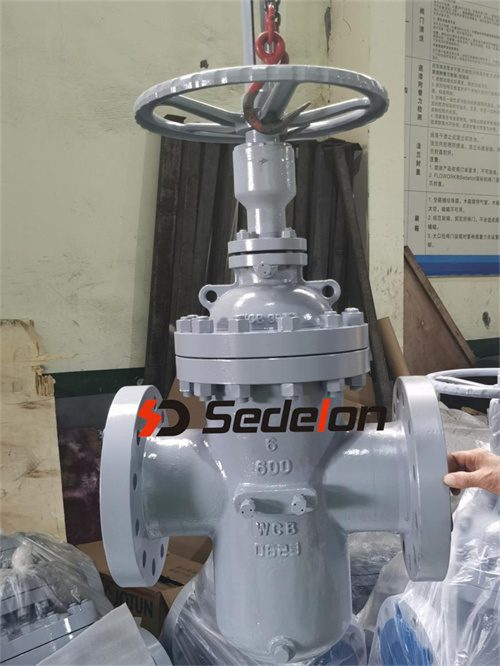
- Confirm that the buried valve body is firmly positioned, the upper end of the valve stem is vertically upward, and the lateral offset is eliminated.
- The valve stem of the valve that has passed the inspection is hoisted into the foundation pit, and the lower end connection mechanism is aligned with the valve stem of the valve body. The locking and positioning bolts are installed according to the torque requirements.
- Install the outer anti-corrosion protective sleeve and the multi-layer waterproof filling component in turn.
- Fine sand is backfilled and lightly compacted around the perimeter of the extended pole protection pipe; It is strictly forbidden to directly backfill hard stones or sharp rubble of construction waste to avoid scratching the coating and causing deformation of the sleeve.
- Install the ground valve well at the top of the extension pole, adjust the height so that the well cover is 5-10 cm higher than the finished ground, and reserve sufficient space for the operation key.
- Reconstruct the road surface or the topsoil layer, and mark the valve position; Repeatedly open and close the cycle to verify that the ground operation is smooth.
Installation precautions (dos and don’ts)
Permit: Surrounding backfill with fine sand; Ensure that the members are vertical; Operating space is reserved in the valve well; Complete the full journey opening and closing test before handing over.
Prohibition: Pipe load and soil pressure are applied to the extension rod assembly; Inclined installation; Gravel is directly backfilled; Omit waterproof filler; Heavy objects are piled on top of the valve well, exerting pressure on it.
Guidelines for Routine Operation and Long-Term Maintenance
Periodic inspection schedule
| Inspection Frequency | Inspection and Maintenance Tasks |
| Quarterly Visual Inspection | Check the integrity of underground valve pits, including damaged or misaligned covers; test the smoothness of key and handwheel rotation; observe for signs of water seepage around the valve pit area. |
| Annual Full-Stroke Functional Test | Perform 3–5 complete open-close cycles on buried valves using an extension rod; apply anti-corrosion lubricant to moving components; monitor for abnormal increases in operating torque. |
| Biennial Maintenance Window | Disassemble the valve pit assembly to inspect the condition of waterproof packing for aging, replace any deteriorated packing, and repair damaged anti-corrosion coatings on protective pipes. |
For underground valves of gas and hazardous media, the inspection frequency should be appropriately increased in accordance with the local municipal safety management requirements.
Common issues and Sedelon’s corresponding solutions
- The extension pole operation is sluggish and laborious: the connection part is corroded or the packing material is aged. Process: Open the ground valve well, clean the inner rod of rust residue, replace the composite packing, and add anti-corrosion lubricant.
- Extension pole offset and tilt: uneven settlement of soil, lack of auxiliary support. Solution: Add auxiliary fixed brackets to the protective tube and readjust the position of the connection mechanism.
- Water seepage inside the ground valve well: aging and failure of waterproof packing and dust-proof sleeve. Solution: Replace the original sealing parts of Sedelon.
- The valve cannot be fully opened or closed: the splined connection mechanism is slipping, or the dimensions do not match. Action: Recheck the torque of the lower locking bolt; If the accessories do not match, replace the corresponding extension rod assembly.
FAQs
Q1: What burial depth range do Sedelon valve stem extensions support?
A1: Customizable from 150mm to 3000mm, suitable for various underground valves ranging from shallow to deep burial.
Q2: Which mainstream valve bodies are compatible with Sedelon extension-stem valves?
A2: Compatible with underground gate valves, butterfly valves, and ball valves used in municipal and chemical pipelines.
Q3: Do Sedelon extensions feature built-in anti-corrosion protection?
A3: Yes, they feature a dual anti-corrosion design: an outer epoxy coating and a stainless steel inner rod.
Q4: Can Sedelon supply dedicated surface valve boxes for these extensions?
A4: Yes, we can supply complete valve box sets made of cast iron or PE.
Q5: How often should maintenance be performed on extension-stem valves?
A5: Quarterly visual inspections and an annual full open/close functional test.
Conclusion
Reasonable configuration of valve stem extension is essential for buried valve and underground valve operation, eliminating repeated excavation and cutting O&M costs. Improper selection and installation easily cause pipeline failures. Sedelon full-spec extended stem valve adopts a standardized design and complete accessories. Standardized installation and maintenance ensure long-term stable and safe operation of municipal and petrochemical underground pipeline systems.