



Petrochemical and refining plants operate under rigorous high‑temperature, high‑pressure and corrosive working conditions. Improper selection of petrochemical valves, refinery valves and corrosive media valves easily triggers leakage, fire and unplanned shutdowns. High-temperature ball valves, as key chemical plant valves, are widely used for hazardous pipelines. Sedelon offers full petrochemical‑grade valve portfolios. This article covers operating conditions, material selection and installation guidance for EPC teams and global distributors.
Four Major Challenges Faced by Petrochemical Valves in Harsh Operating Conditions
Four Major Hazards of Refining/Chemical Media
The internal process medium of the petrochemical refining pipeline will bring multiple overlapping threats to the valve components.
| Hazard category of medium | Description | Typical on-site consequences of valves |
| Corrosion caused by sulfides and hydrogen | Sulfur-containing crude oil, hydrogen-rich medium in hydrogenation unit | Creep cracking and pitting corrosion of valve body and internal components |
| High-temperature oxidation and temperature cycling | High-temperature steam, repeated heating and cooling of heavy oil | Thermal fatigue cracks, deformation of sealing surfaces, accelerated aging of packing |
| Corrosion by acids, bases and chloride media | Hydrochloric acid, caustic soda, salt water chemical loop | Intergranular corrosion, crevice corrosion, thinning of valve body wall thickness |
| Flammable and explosive VOC hazardous fluids | Light hydrocarbons, volatile process gases | Risk of static spark, valve stem leakage, potential fire hazard |
In fact, the vast majority of petrochemical situations are multiple superimposed hazards, and a single anti-corrosion design cannot meet the on-site use. During the quotation stage of each project, Sedelon’s refining plant valves and corrosive medium valves will be comprehensively evaluated in terms of material and structure.
Common Root Causes of Valve Failure
Investigate the failure of chemical plant valves and high-temperature ball valves on the refinery site, and summarize four high-frequency failure sources:
- Materials mismatch: ordinary WCB carbon steel is directly selected for sulfur-containing conditions, which does not meet the NACE anti-sulfur requirements, resulting in sulfide stress cracking;
- Lack of structural specifications: lack of anti-static and fire-resistant backup seals for flammable and explosive media; Soft sealing material is used for long-term over-temperature;
- Welding quality does not meet the standard: the alloy valve body and connecting pipe welds do not have an effective WPS/PQR evaluation, and delayed cracks occur under temperature-fluctuating loads;
- Installation and maintenance are not standardized: preheating before welding is not in place, filling and pressing are unreasonable, and periodic inspection of fugitive leakage is ignored, which accelerates the failure of the sealing system.
Sedelon‘s Mainstream Petrochemical Valve Categories and Applicable Operating Conditions
Sedelon‘s Full Range of Petrochemical Valve Products
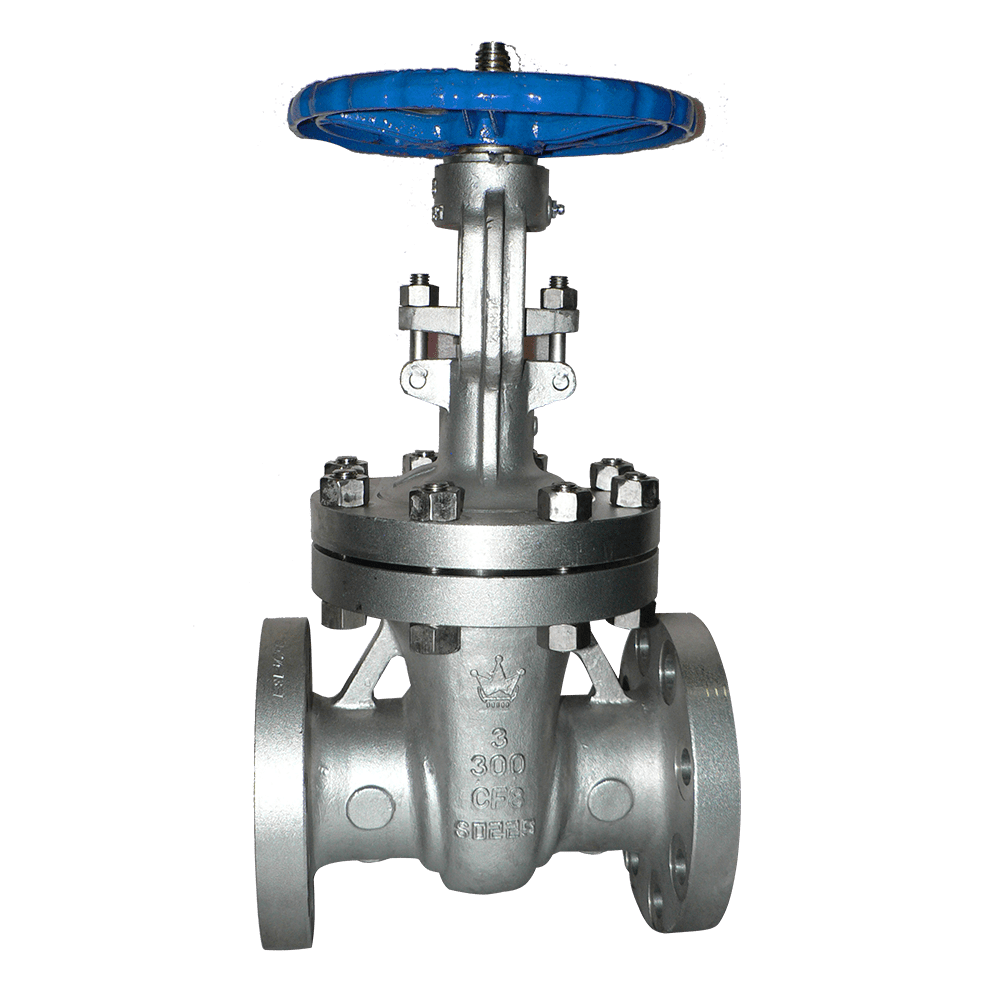
Sedelon manufactures diversified petrochemical valves, covering the typical process requirements of refining and chemical plants.
| Valve Product Type | Execution Standard | Suitable Process Media | Typical Applications in Petrochemical Industry |
| Trunnion-Mounted High-Temperature Ball Valve (Core Product) | API 6D, API 607 Fireproof | High-temperature heavy hydrocarbons, superheated steam, hydrogen-containing fluids | Furnace outlet, hydrogenation unit isolation, high-temperature process lines |
| Alloy Gate Valve | API 600, NACE MR0175 | Sulfur-containing crude oil, high-pressure steam | Distillation towers, high-pressure feed lines |
| Bellows-Sealed Globe Valve | ISO 15848 Low Emission | Toxic volatile acids and alkalis, solvents | Outlet of fine chemical reactors |
| Duplex Steel Swing Check Valve | API 598 | Chloride-rich corrosive wastewater | Wastewater recovery neutralization circuits |
| Lined Corrosion-Resistant Valve | ASTM Lining Specifications | Strong acids, strong alkalis, highly corrosive media | Acid transfer pipelines in chemical plants |
The Sedelon high-temperature ball valve covers pressure classes from Class150 to Class900, supports RF/RTJ flanges and BW weld ends, and is widely used in cutting high-temperature hazardous media in refineries.
Dedicated Core Structural Design for Corrosive Hazardous Media
For complex and hazardous medium environments, Sedelon corrosive medium valves and petrochemical-grade valves integrate four mandatory special structures:
- Integrated anti-static continuous conductive path: complete conductive path of sphere-gate valve-valve stem-flange, eliminating the risk of static electricity accumulation of flammable and explosive hydrocarbon media;
- API607 fire-resistant metal backup seal: when the soft seal is burned out in the event of a fire, the metal-to-metal forms a secondary seal, preventing the continuous leakage of the medium and expanding the fire situation;
- Spring-loaded multi-layer low-leakage packing: graphite-PTFE composite stacked packing, meets ISO15849, inhibits VOC leakage of dangerous medium circuit valve stem;
- Valve stem anti-ejection structure: the valve stem is installed from the inside of the valve body, preventing the valve stem from popping out in case of overpressure, suitable for petrochemical high-risk sites.
Scientific Material Selection Scheme for Valves in Corrosive Media
Sedelon‘s Standard Petrochemical Valve Body Material
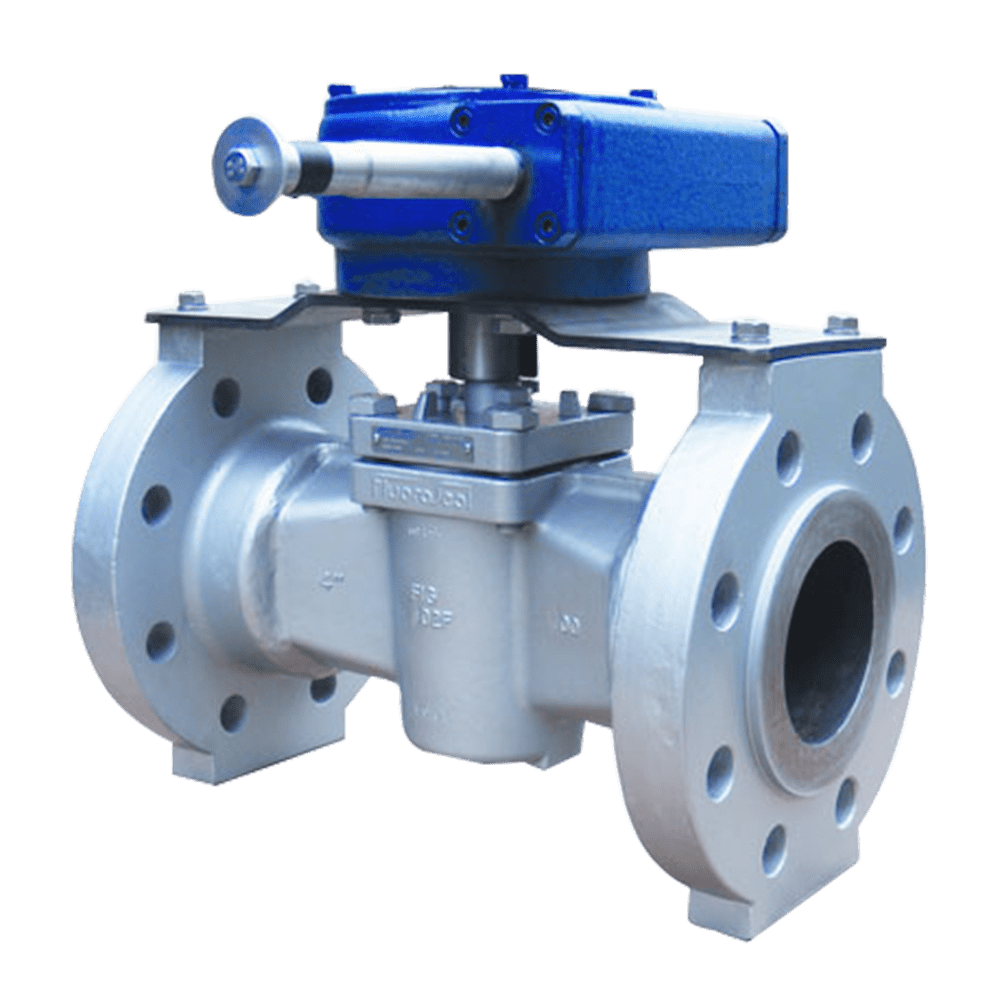
The correct selection of valve body material is the basis for the reliable operation of corrosive medium valves. According to the process medium, temperature, and corrosion grade, Sedelon selects castings/forgings that meet ASTM and NACE standards.
For ordinary non-sulphur oil and gas and medium-temperature steam pipelines, WCB carbon steel provides a cost-effective solution. For sulfur-containing crude oil and high-temperature pipelines for hydrogenation, F11 or F22 chromium-molybdenum alloy steel with NACE MR0195 certification must be selected to resist sulfide stress cracking. CF8M (316L) stainless steel achieves a balance between corrosion resistance and mechanical strength for weak acids, saline water, and chemical circuits with low corrosion levels. For salt-containing process media and offshore petrochemical auxiliary pipelines, duplex steel F51 (2205) provides excellent resistance to chloride ion corrosion. For the harsh circuit of strong acidic chemical reactions, Hastelloy nickel-based alloy is a high-end choice, with extremely strong resistance to strong acids and strong chemical corrosion.
For hydrogen sulfide and sulfur conditions, the material must meet the NACE MR0175 hardness control.PMI spectral testing reports can be provided for all of Sedelon‘s alloy castings.
Valve Internal Component Selection
The sphere/gate valve, valve seat, valve stem and other internal parts must match the valve body material and working conditions of petrochemical valves and chemical plant valves:
- High-temperature flushing operation: Stellite 6/12 tungsten carbide plating on the sealing surface of high-temperature ball valve, gate valve and stop valve to improve wear resistance and high-temperature oxidation resistance;
- Sulfur-containing hydrogenation operation: A182-F11 / F22 forged alloy valve stem with strict hardness control is selected to meet NACE MR01 75;
- Chloride corrosion condition: dual-phase steel valve body with dual-phase steel inner parts;
- Hazardous medium low-leakage operation: use a spring-loaded graphite-PTFE composite packing assembly to reduce the risk of external leakage.
Standardized Valve Selection Guide for Chemical Plants
Five Core Selection Basis
Before preparing the inquiry document to determine petrochemical valves, refinery valves, and corrosive medium valves (including high-temperature ball valves), five core conditions must be confirmed:
- Medium characteristics: acidity and alkalinity, hydrogen sulfide content, chloride ion concentration, whether the medium contains solid particles;
- Process parameters: pipeline design pressure, continuous maximum temperature, instantaneous peak temperature;
- Safety specifications require: anti-static, fireproof, NACE anti-sulfur, low-leakage mandatory requirements for flammable and explosive circuits;
- End connections: RTJ groove flanges are preferred for Class 600 and higher high-pressure petrochemical pipelines; The high-temperature alternating pipeline adopts BW welding connection;
- Standard compliance: Project acceptance requires confirmation of API6D, API600, API598, NACE MR017, ISO15848, etc.
Matching Recommendations for Typical Refining Pipelines
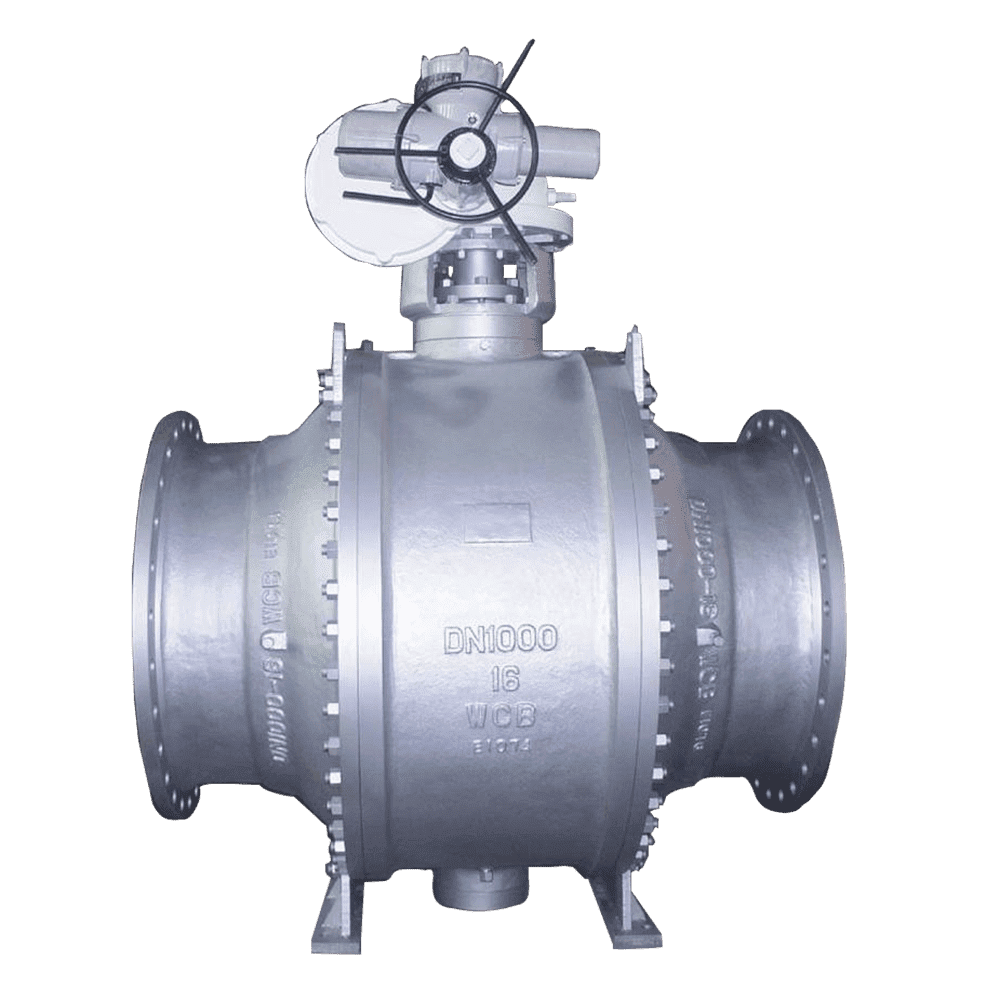
- Oil storage tank inlet and outlet pipeline: Sedelon API 6D axial-seat high-temperature ball valve, Class300, RTJ flange;
- High-temperature cut-off circuit of hydrogenation unit: NACE-certified F22 alloy gate valve or high-temperature ball valve;
- Recycling of acid-containing chemical wastewater: PTFE lining corrosion-resistant valves;
- Toxic solvent fine chemical reaction kettle export: corrugated tube seal low evaporation stop valve;
- High-temperature steam pipeline of the distillation tower: Stellite welding internal parts of the stainless steel high-temperature ball valve.
Petrochemical Valve Installation and Long-Term Operation and Maintenance Specifications
Standardized On-Site Installation Requirements
- Adhere strictly to the arrow indicating the direction of the medium flow in the valve body; if it is installed incorrectly, it will directly lead to a significant decrease in the sealing performance of the corrosive medium valve;
- The welding of chromium-molybdenum alloy steel valves must be carried out according to the effective WPS/PQR process, with preheating before welding and stress relief heat treatment after welding to avoid cold cracks.
- The high-pressure RTJ flange should be installed with the metal ring gasket correctly and the torque-tightening bolts should be divided into multiple levels at right angles.
- High-temperature ball valves and other petrochemical valves should reserve sufficient maintenance space for gear operation mechanisms and pneumatic/electric actuators;
- 1.5 times the rated pressure shell water pressure test and valve seat sealing test should be completed before the medium is introduced.
Regular Maintenance Cycle and Inspection Focus
| Maintenance Cycle | Key Inspection and Maintenance Items |
| Monthly Routine Inspection | Flange leakage traces, stem packing leakage, integrity of anti-corrosion coating, actuator operating condition |
| Semi-annual Full-Stroke Operation Test | Complete opening and closing 3–5 times to prevent coking and medium buildup in the valve cavity from causing internal component adhesion |
| Annual Overhaul | Inspect sealing surface wear; replace aged packing; retighten flange bolts; verify fireproof seal components are intact |
| Standby Valves Stored for Over 2 Years | PMI sampling re-inspection, replenish internal rust inhibitor, perform hydrostatic test before commissioning |
Common Faults and Sedelon‘s Targeted Solutions
- High-temperature coking erosion causes damage to the sealing surface, leading to internal leakage: treatment plan, replace the Stellite hard alloy cladding internal parts, clean the coking deposits in the valve cavity.
- Leakage of dangerous media from the valve stem: solution, upgrade the spring-loaded composite low-leakage graphite-PTFE packing kit.
- There is a risk of sulfide stress cracking in the sulfur-containing crude oil operation: the treatment plan is to replace the petrochemical valve with the NACE MR01 75 certified F11/F 22 alloy grade.
- Electrostatic hazards in flammable and explosive hydrocarbon circuits: solution: select Sedelon high-temperature ball valve with factory-integrated anti-static conductive structure.
FAQs
Q1: What core industry standards does Sedelon’s petrochemical valves follow?
A1: API 6D, API 598, ANSI B16.5, NACE sulfur-resistant standards.
Q2: What valve body materials are available for Sedelon corrosive media valves?
A2: WCB, F22, 316L, duplex steel, and Hastelloy are all customizable.
Q3: Can Sedelon valves be used in high-sulfur crude oil refining pipelines?
A3: Yes, NACE MR0175-certified F11/F22 alloy models are available.
Q4: What safety features are standard on Sedelon refining valves?
A4: Built-in anti-static structure + fireproof metal backup seal for double protection.
Q5: What pressure ratings are covered by Sedelon high-temperature ball valves?
A5: Class 150/300/600/900 pressure ratings.
Conclusion
Proper specification of petrochemical valves, refinery valves and corrosive media valves, including High Temperature Ball Valve is critical for process safety, representing the core standard for chemical plant valves. Sedelon’s complete petrochemical valve solutions comply with API and NACE standards. Strict welding control and material testing help global partners avoid corrosion and fire risks in refining projects.