



Introduction
In the world of industrial and commercial piping, valves are the unsung heroes of fluid control. They regulate the flow of everything from water and oil to gases and chemicals, ensuring processes run smoothly and safely. However, with dozens of types available, selecting the right one can be a complex task. Choosing the wrong valve type can lead to inefficiency, costly leaks, and even safety hazards.This guide will demystify the process by exploring seven of the most common valve types and providing a practical framework for your valve selection
Overview of the Seven Common Valve Types
Understanding the basic function of each valve is the first step toward making an informed decision.
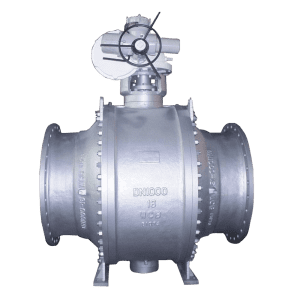
Ball Valve
A ball valve is a quarter-turn valve that uses a hollow, pivoting ball to control flow. It’s renowned for its fast, simple operation (a 90-degree turn from open to closed) and its exceptional sealing performance, often providing a “bubble-tight” shutoff. Ball valves are primarily used for on/off and isolation services.
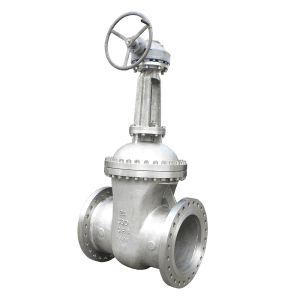
Gate Valve
A gate valve is a multi-turn valve that uses a gate-like disc to open or close the flow path. When fully open, it creates a straight-through flow path with minimal pressure drop. Gate valves are ideal for services that require a full-bore, non-obstructive flow and are exclusively used for on/off applications, as partial opening can lead to damage.
Bronze Valve
It’s important to clarify that bronze valve refers to the material, not a functional type. Bronze is a copper-based alloy known for its durability and corrosion resistance, particularly against water and steam. You will find many different valve types—including gate, globe, and check valves—made from bronze, making them a popular choice for plumbing, heating, and low-pressure steam systems.

Check Valve
A check valve is an automatic valve that allows fluid to flow in only one direction. It is a vital safety device that prevents backflow (reversal of flow) and protects equipment like pumps, compressors, and filters from damage. Check valves operate without external control, relying on the fluid’s pressure to open and close.

Globe Valve
A globe valve uses a disc that moves perpendicular to a seat to control flow. This design forces the fluid to change direction, creating a high-pressure drop. However, this structure makes it the undisputed champion of flow control and throttling. A globe valve can precisely regulate flow rates and is commonly used in steam lines and chemical processes.

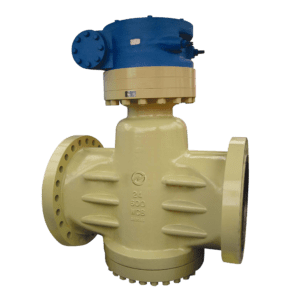
Plug Valve
Similar in function to a ball valve, a plug valve is a quarter-turn valve that uses a cylindrical or tapered plug with a passage to control flow. They are known for their fast operation and simple design. Plug valves are often used for slurries, high-pressure gases, and applications where quick on/off action is needed.
Butterfly Valve
A butterfly valve is a quarter-turn valve that uses a rotating disc to control flow. It is a lightweight, compact, and cost-effective alternative to other valve types, especially in large-diameter piping. Butterfly valves are primarily used for isolation and throttling in low-pressure, high-flow applications.

How to choose the appropriate valve?
To make the right choice, you must carefully evaluate your system’s specific needs against the characteristics of each valve type.
Application
What is the valve’s primary purpose? Is it for isolation (on/off), flow control (throttling), or preventing backflow? Your answer to this question is the most critical factor in your decision.
Control Requirements
Does your process need precise regulation of flow rate and pressure, or simply a quick and reliable way to stop and start flow? For fine-tuning, a globe valve is unmatched. For simple on/off, a ball valve or gate valve is a better fit.
Installation Space and Environment
Consider the physical space available. A butterfly valve is ideal where space is limited, while a gate valve’s full-bore design can be bulky. Also, think about the media and environment: Is it corrosive? Does it contain solids or slurries? This will influence your material choice (like bronze valve for water) and valve type (e.g., a plug valve is good for slurries).
Maintenance and Lifespan
Some valves require more frequent maintenance than others. A globe valve, while excellent for throttling, can experience seat wear over time, requiring more upkeep. A ball valve and gate valve, when used for their intended purpose, are generally low-maintenance.
Budget and Cost-Effectiveness
Initial cost, installation cost, and long-term maintenance costs all play a role. For large-diameter pipes, a butterfly valve is often the most budget-friendly option. For smaller pipes, the cost difference between types may be less significant, allowing you to prioritize performance.
Case analysis of valve selection
Let’s apply this framework to a real-world scenario: a water treatment plant.
-
Case 1: Main Water Supply Shutoff
Need: Full, uninterrupted flow with minimal pressure drop for the main water line. The valve will be operated infrequently.
Choice: A Gate Valve. It’s the best choice for isolation, providing a full-bore flow path and robust on/off functionality.
-
Case 2: Chemical Dosing
Need: Precise and continuous regulation of a chemical additive flow rate.
Choice: A Globe Valve. Its excellent throttling capability allows operators to fine-tune the dosage rate to meet specific treatment needs.
-
Case 3: Preventing Pump Damage
Need: Protection for a pump from backflow of water when it shuts off.
Choice: A Check Valve. This valve will automatically close to prevent fluid reversal, safeguarding the pump without any human intervention.
-
Case 4: Quick Isolation for a Large Tank
Need: A cost-effective and space-saving solution for isolating a large tank’s outlet.
Choice: A Butterfly Valve. Its compact design and quick, quarter-turn operation make it ideal for quick isolation on large pipes.
FAQs
Can a gate valve be used for throttling?
No. A partially open gate valve can cause the gate to vibrate, leading to significant wear on the gate and seat. This can result in leaks and premature valve failure.
What is the main difference between a ball valve and a plug valve?
Both are quarter-turn valves with similar functions. A ball valve uses a hollow sphere, while a plug valve uses a cylindrical or tapered plug. The primary difference often comes down to specific design and application-related sealing requirements.
Which valve is the most cost-effective?
For small pipes, ball valves are often the most economical choice. For large pipes, butterfly valves are typically the most budget-friendly option due to their lightweight and simple design.
Conclusion
Choosing the right valve is a critical step in building a reliable and efficient system. There is no single “best” valve, but rather the right one for a specific task. By understanding the core functions and limitations of each common type, you can make a well-informed decision that will pay off in long-term performance and reduced maintenance costs.
Our team of experts can help you navigate these complexities and select the perfect valves for your unique application. Contact us today to learn more about our full range of high-quality industrial valves.