

Introduction
Ball valves are widely used in industrial piping systems for their reliable shut-off performance and easy operation. However, not all ball valves are created equal — one of the key distinctions lies in how they are made: forged or cast. Understanding the differences between forged and cast ball valves is crucial when selecting the right valve for your specific application, especially when pressure, temperature, or corrosion resistance come into play.
Manufacturing Process Differences
Forged Ball Valves
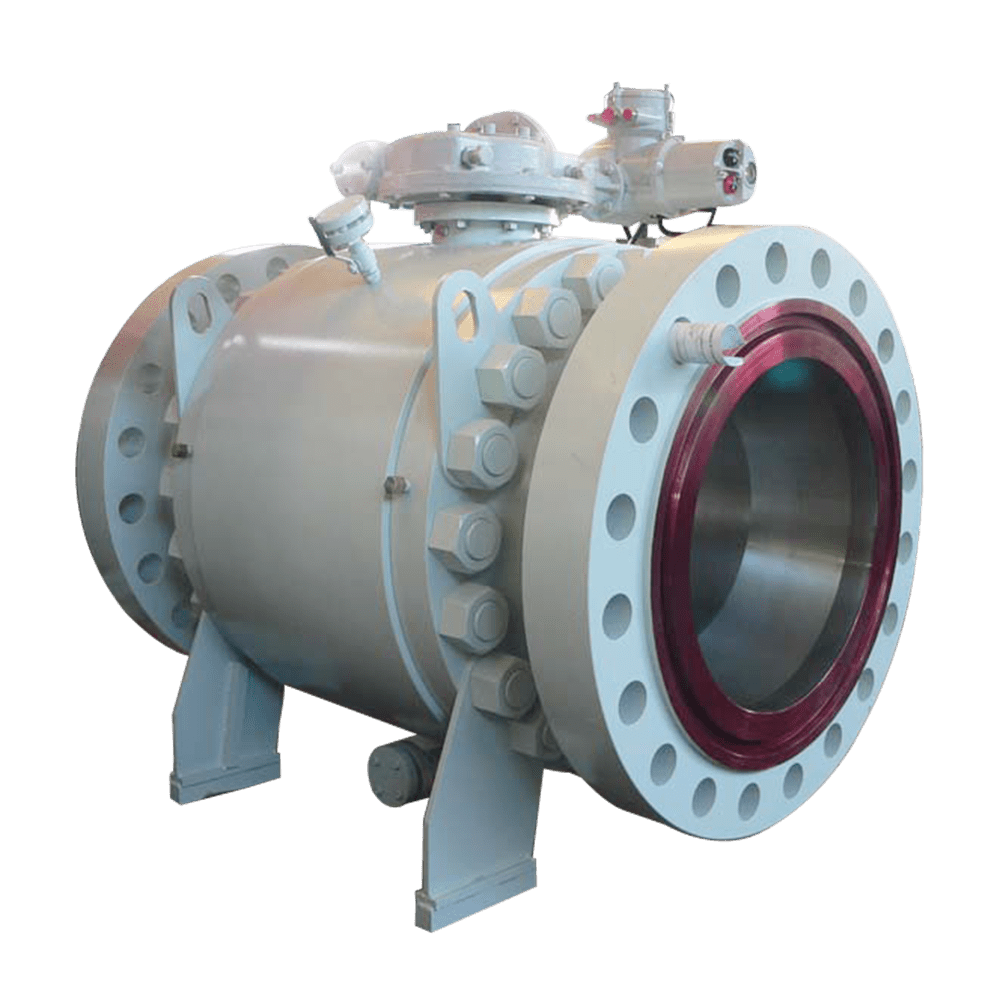
Forged ball valves are produced by heating metal billets and shaping them under high pressure. This process refines the grain structure, enhancing strength, density, and impact resistance.
Advantages: Superior mechanical properties, minimal porosity, and better performance under high pressure or temperature.
Common Materials: Forged steel (A105, F304, F316), Alloy steel, Duplex stainless steel.
Applications: High-pressure pipelines, petrochemical systems, and power plants.
Cast Ball Valves
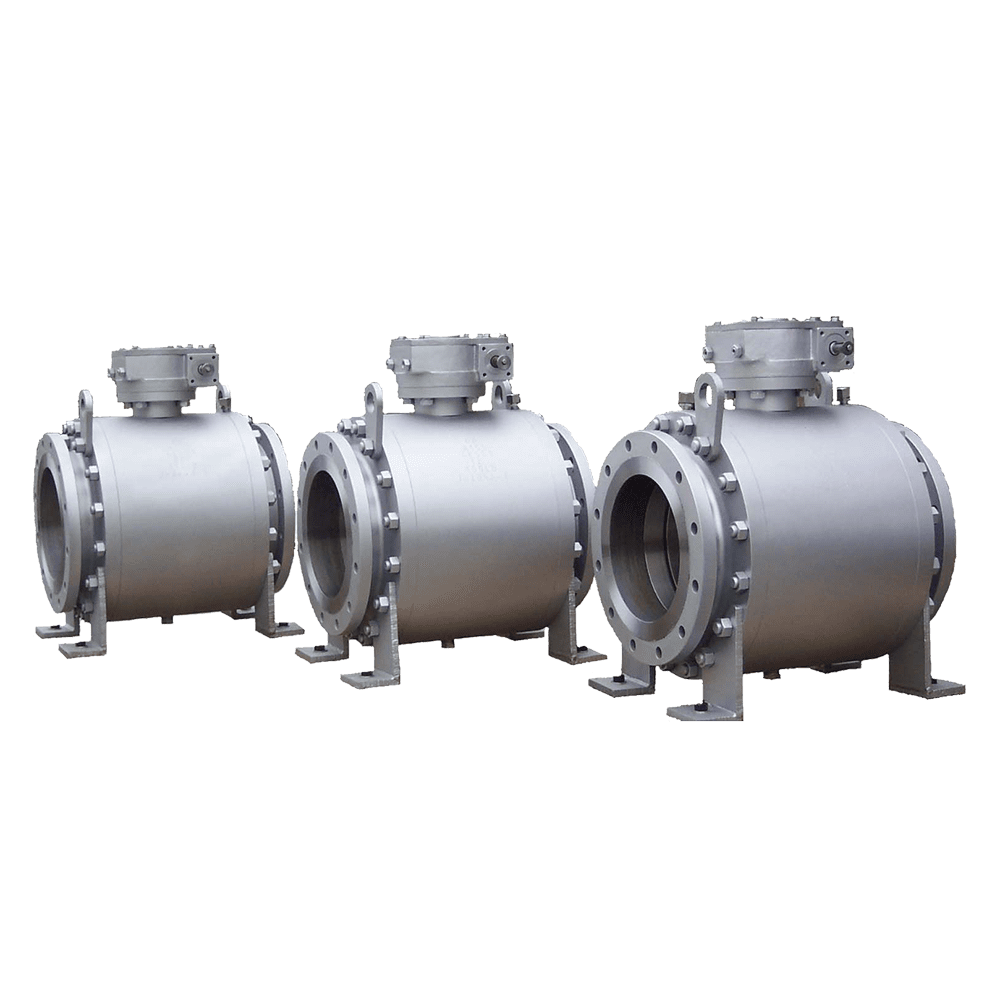
Cast ball valves are made by pouring molten metal into molds. This allows for complex shapes and efficient mass production.
Advantages: Flexible design, lower cost, and suitable for large valve sizes.
Common Materials: Cast carbon steel (WCB), stainless steel (CF8/CF8M), and bronze.
Applications: Water treatment, general industrial systems, HVAC pipelines.
Performance Comparison: Forged vs Cast
| Feature | Forged Ball Valve | Cast Ball Valve |
|---|---|---|
| Strength & Density | Excellent (no internal voids) | Moderate (possible porosity) |
| Pressure Resistance | Ideal for high-pressure systems | Suitable for low–medium pressure |
| Corrosion Resistance | Excellent (uniform grain structure) | Good (depends on casting quality) |
| Size Range | Small to medium | Small to large |
| Cost | Higher | Lower |
| Maintenance | Less frequent | Requires regular checks |
Forged valves outperform cast ones in demanding applications where safety, pressure, and temperature stability are critical.
Material Selection & Durability
Material choice directly impacts valve longevity:
Forged Stainless Steel (F316/F304): Best for corrosive and marine environments.
Forged Carbon Steel (A105): Ideal for high-temperature steam or oil pipelines.
Cast Stainless Steel (CF8M): Suitable for general chemical and water service.
Cast WCB: Economical option for low-pressure utility systems.
Application-Based Recommendations
High-Pressure or Harsh Environments
Choose forged ball valves — their superior density and strength ensure leak-free performance under extreme conditions, such as oil refining, gas compression, or power generation.
General Industrial and Utility Systems
Opt for cast ball valves, which provide excellent flow control and cost efficiency for water distribution, HVAC, and general plant operations.
Corrosive Media
For seawater, acids, or chemical processing, select forged stainless steel or duplex ball valves with corrosion-resistant trims.
FAQ
Why are forged ball valves more expensive?
The forging process improves mechanical strength and reliability, making them ideal for high-stress environments.
Can cast ball valves handle high pressure?
Only up to certain limits (typically < 40 bar). For higher pressures, forged valves are recommended.
How to choose between forged and cast valves?
Consider operating pressure, temperature, fluid type, and budget. Forged = performance; Cast = economy.
Conclusion
Both forged and cast ball valves serve vital roles in modern industry — the key lies in matching valve type to application. Forged ball valves excel in high-pressure, high-temperature, or corrosive conditions, while cast ball valves are ideal for general-purpose and low-pressure systems.
Sedelon offers a full range of API, DIN, and ANSI-compliant forged and cast ball valves, manufactured from premium materials such as stainless steel, carbon steel, and alloys. Whether you need strength, corrosion resistance, or cost efficiency — there’s a Sedelon solution for every scenario.
Explore Sedelon’s forged and cast ball valve series today and request a customized quote for your industrial project.