



When it comes to industrial valves, you might feel overwhelmed by the alphabet soup of standards. API 6A and API 6D valves are two terms that often pop up, and understanding their differences can save you both time and money. In this guide, we’ll break it down in a way that makes sense and shows you why choosing the right valve is crucial for your operations.
What Are API 6A Valves?
Overview
API 6A valves are specifically designed for the oil and gas industry, mainly for wellhead and Christmas tree applications. They are engineered to handle high-pressure, high-temperature conditions with precision.
- Primarily used in upstream applications
- Designed to withstand extreme pressure
- Suitable for wellhead equipment
- Focus on safety and leak prevention
- Engineered for long-term durability
- Compliance with API 6A standards ensures reliability
Applications
API 6A valves are typically found in:
- Offshore drilling platforms
- Onshore oil wells
- High-pressure gas distribution
Key Features
| Feature | Description | Material | Pressure Rating | Temperature Rating | Application |
|---|---|---|---|---|---|
| Material | Alloy steel or stainless steel | Ensures strength | Up to 20,000 psi | -50°C to 204°C | Wellhead and Christmas tree |
| Design | Gate, ball, or choke valves | High integrity seals | Up to 20,000 psi | -50°C to 204°C | Oil & gas production |
| Seal | Metal-to-metal or soft seal | Leak-proof design | Up to 20,000 psi | -50°C to 204°C | Extreme conditions |
These valves prioritize precision, safety, and handling of high-pressure fluids—ideal if your operation demands stringent control.
What Are API 6D Valves?
Overview
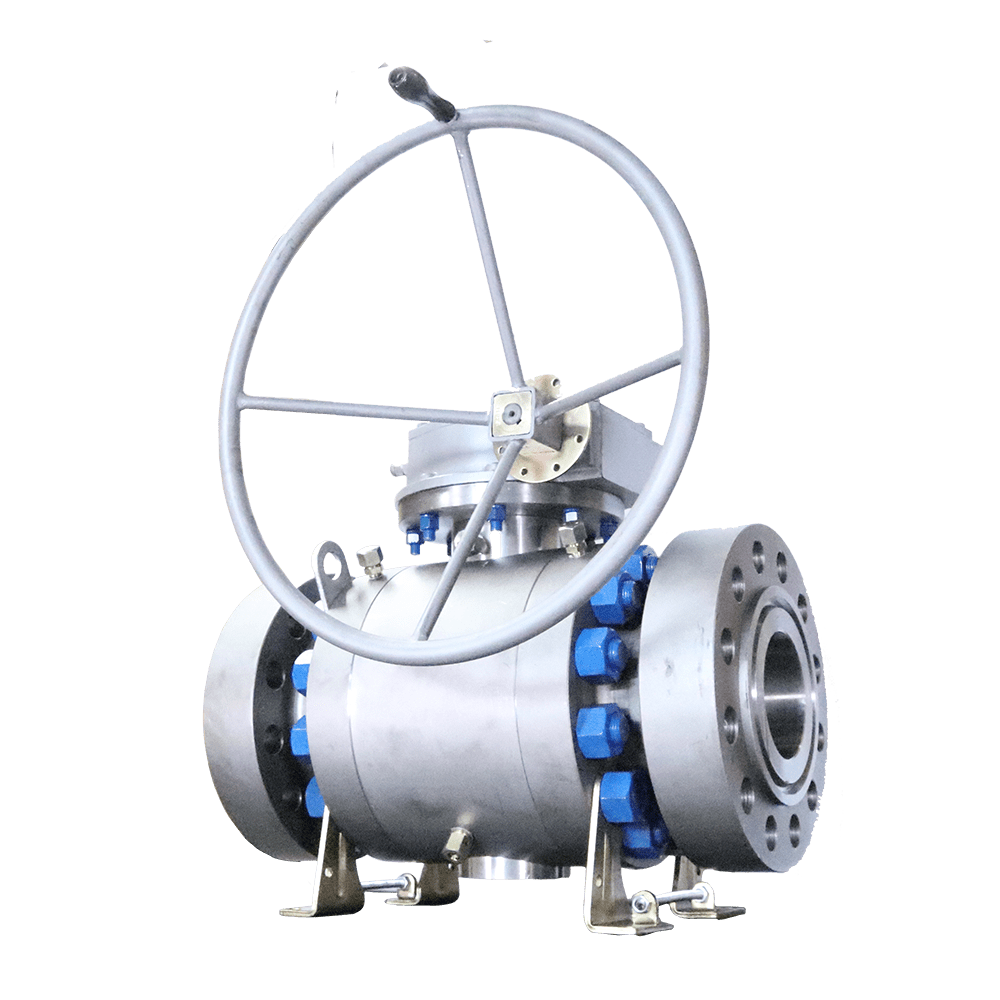
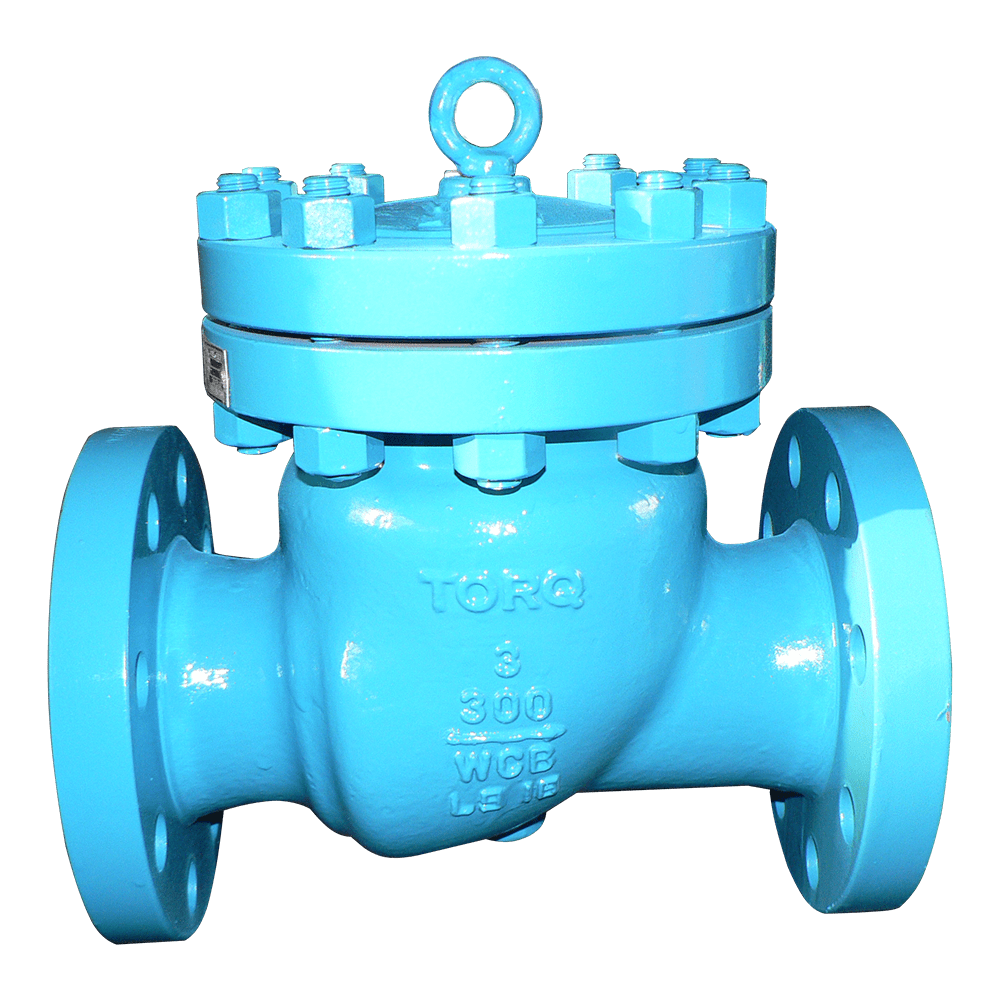
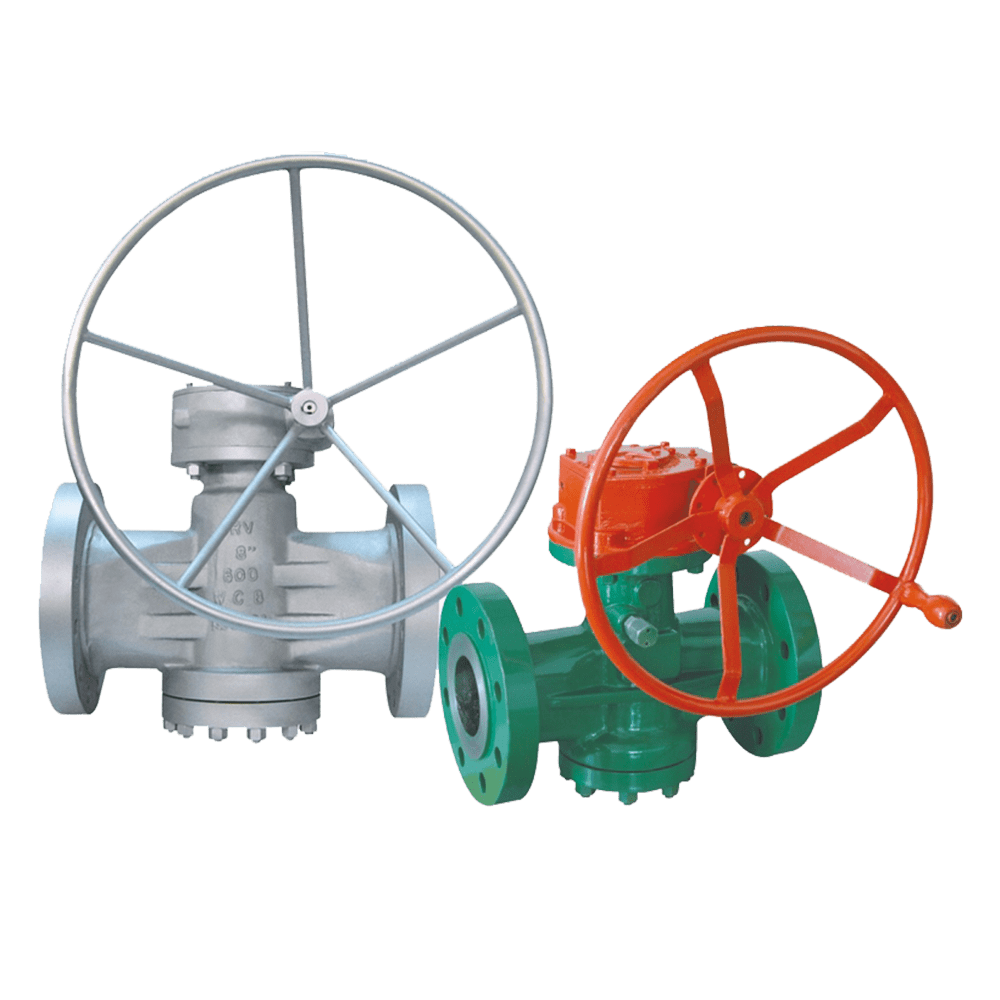
On the other hand, API 6D valves are more about pipeline transport. They are widely used in midstream and downstream applications to manage the flow of oil, gas, and other fluids.
- Commonly used in pipelines and refineries
- Designed for full bore flow
- Handles moderate to high pressure
- Focus on operational efficiency
- Easier maintenance compared to API 6A
- Compliance with API 6D ensures standardization
Applications
You’ll find API 6D valves in:
- Gas transmission pipelines
- Oil pipelines
- Water and chemical pipelines
Key Features
| Feature | Description | Material | Pressure Rating | Temperature Rating | Application |
|---|---|---|---|---|---|
| Material | Carbon steel, stainless steel | Durable construction | Up to 2,000 psi | -29°C to 204°C | Pipelines and industrial plants |
| Design | Ball, gate, or check valves | Efficient flow control | Up to 2,000 psi | -29°C to 204°C | Midstream operations |
| Seal | Resilient or metal-seated | Low leakage | Up to 2,000 psi | -29°C to 204°C | Transport pipelines |
API 6D valves are designed for flow efficiency, not extreme pressures, and they make maintenance much easier.
Key Differences Between API 6A and API 6D Valves
Pressure and Temperature Handling
API 6A valves handle extreme pressures (up to 20,000 psi), while API 6D valves are designed for pipeline pressures (up to 2,000 psi). Temperature ranges for 6A are broader, designed for harsh wellhead environments, whereas 6D valves focus on pipeline conditions.
Applications
API 6A is upstream, meaning wellhead operations, while 6D is midstream and downstream, such as pipelines and refineries.
Design Considerations
6A valves prioritize safety and sealing integrity. 6D valves emphasize full-bore flow and operational efficiency.
Maintenance
API 6A valves require highly specialized maintenance, whereas API 6D valves are generally easier to service.
Cost Implications
6A valves are typically more expensive due to materials, design complexity, and safety certifications. 6D valves are more economical for large-scale pipeline operations.
Summary Table
| Feature | API 6A | API 6D |
|---|---|---|
| Industry | Upstream | Midstream/Downstream |
| Pressure | Up to 20,000 psi | Up to 2,000 psi |
| Temperature | -50°C to 204°C | -29°C to 204°C |
| Design | Wellhead, choke, ball | Pipeline, ball, gate, check |
| Maintenance | Complex | Easier |
| Cost | Higher | Lower |
Case Study: Selecting Valves for Sedelon Projects
Imagine you’re sourcing valves for a new oil extraction project. If your focus is the wellhead, an API 6A valve is a safer bet due to its high-pressure capability. Conversely, for a pipeline transport system, API 6D valves from Sedelon, such as API 6D Ball Valve, API 6D Check Valve, and API 6D Plug Valves, will ensure efficiency and cost-effectiveness.
By understanding these distinctions, you avoid overspending on over-engineered valves or compromising safety by under-specifying your system.
Why This Matters for You
Choosing the right valve standard can impact safety, operational efficiency, and costs. As a procurement professional, knowing these differences allows you to:
- Make informed decisions based on pressure and temperature needs
- Select the right valve for upstream or pipeline applications
- Reduce long-term maintenance headaches
- Ensure compliance with international standards
- Improve project reliability and performance
Conclusion
In short, API 6A and API 6D valves serve different purposes. API 6A is all about high-pressure wellhead reliability, while API 6D focuses on efficient pipeline flow. By knowing which valve fits your project needs, you save money, enhance safety, and streamline operations. Take a look at Sedelon’s comprehensive range to find the perfect solution for your application today.
FAQs
What is the main difference between API 6A and API 6D valves?
API 6A handles high-pressure upstream applications, while API 6D is for midstream and downstream pipeline operations.
Can API 6D valves be used in wellheads?
Not recommended. API 6D valves aren’t designed for extreme high-pressure wellhead conditions.
Are API 6A valves more expensive than API 6D valves?
Yes, due to material requirements, design complexity, and safety standards.
What maintenance considerations should I know?
API 6A valves require specialized maintenance, whereas API 6D valves are easier to service.
Where can I source reliable API 6D valves?
Sedelon offers a variety of high-quality API 6D valves: Ball Valve, Check Valve, Plug Valve.