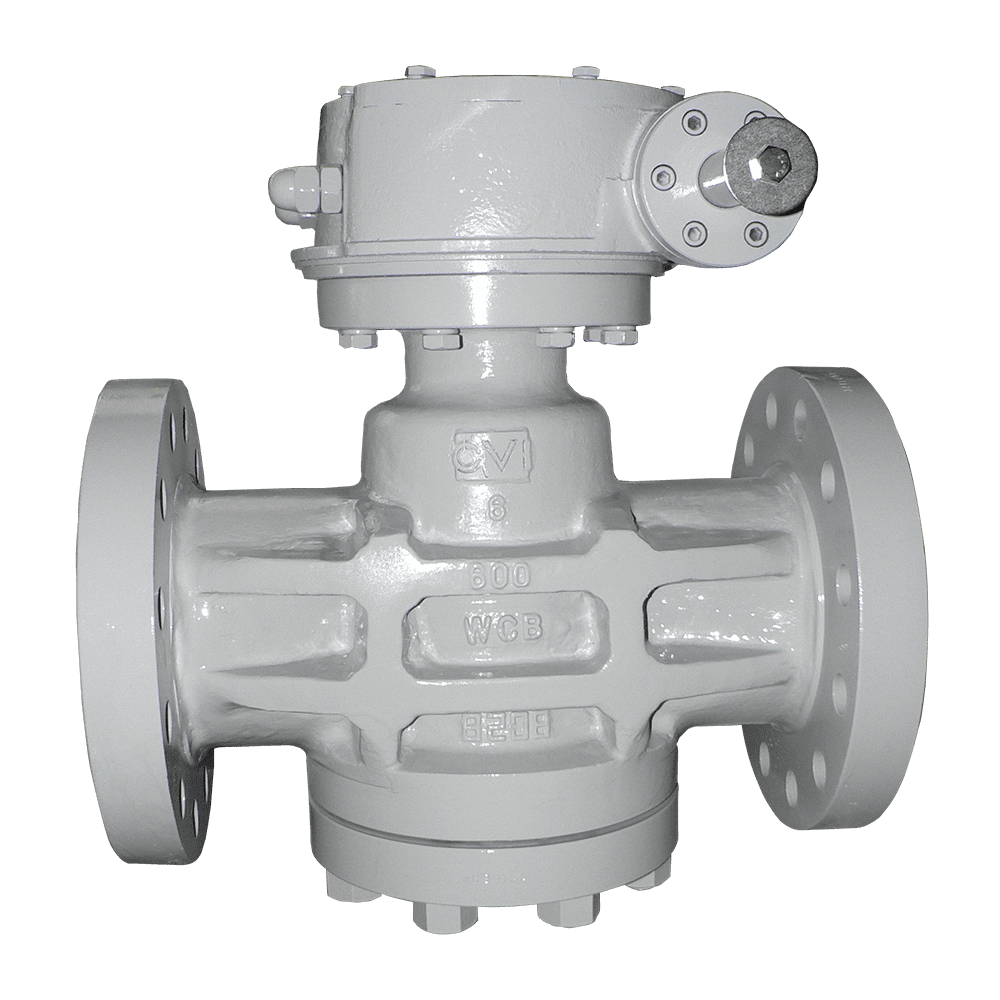
When it comes to selecting high temperature plug valves, making the right choice can significantly impact the performance and longevity of your system. Often, buyers overlook critical factors, which can lead to costly errors. This guide will help you identify common mistakes and ensure you make an informed decision that suits your needs.
Common Mistakes to Avoid
Ignoring Temperature and Pressure Ratings
One of the most common mistakes is choosing a plug valve without fully considering the required temperature and pressure ratings. The materials and design must align with the specific conditions your system will face. High temperature plug valves are designed to withstand extreme heat, but without understanding your system’s demands, you risk selecting the wrong valve.
Ensure the valve’s temperature and pressure limits are suitable for your system.
Refer to manufacturer specifications for temperature ratings and pressure limits.
Overlooking Material Compatibility
Another critical mistake is failing to select a valve material that is compatible with the fluids or gases in your system. High temperature plug valves often require specific alloys like Hastelloy or stainless steel to maintain performance under high heat. Using the wrong material can cause valve failure or even dangerous leaks.
Match valve materials with the fluid composition and temperature requirements.
Seek expert advice if you’re unsure about material compatibility.
Failing to Account for Valve Size and Flow Requirements
Valve size is a crucial consideration, especially in high-temperature applications. Choosing a valve that is too small or too large for your system can result in inefficient flow control or unnecessary energy consumption.
Full-bore valves can ensure better flow control and prevent clogging.
Consider the size of your piping system to avoid mismatched components.
Underestimating Maintenance Needs
High temperature plug valves, while durable, require regular maintenance to ensure they continue to perform well under extreme conditions. Neglecting this aspect can lead to valve wear and premature failure.
Schedule periodic inspections and maintenance checks.
Ensure replacement parts are readily available.
Not Considering the Seal Type
Seals play a vital role in ensuring that high temperature plug valves operate efficiently. Metal-to-metal seals are a common choice for extreme temperatures, but not all applications require this type. Selecting the wrong seal material can lead to leaks and performance issues.
Evaluate seal materials based on the operating environment.
If necessary, consult an expert to select the best seal type for your valve.
Mistake
Impact
Recommendation
Ignoring temperature and pressure
Valve failure or reduced efficiency
Check temperature and pressure ratings
Overlooking material compatibility
Corrosion, leaks, and valve failure
Choose materials that match the fluid
Incorrect valve size
Inefficient flow, energy loss
Match valve size with your system
Underestimating maintenance
Premature valve failure
Schedule regular inspections
Incorrect seal selection
Leaks, performance issues
Choose the correct seal material
FAQs
What are the main considerations when selecting a high temperature plug valve?
Ensure the valve can withstand the temperature and pressure conditions of your system, and that the materials are compatible with the fluids or gases being handled.
How do I determine the correct size of a plug valve?
Consider your piping system’s size and flow requirements. A valve that is too small or too large can cause flow inefficiencies.
What is the role of seals in high temperature plug valves?
Seals prevent leaks and ensure the valve operates efficiently. Metal-to-metal seals are common for high-temperature applications.
How often should I maintain high temperature plug valves?
Regular maintenance is essential to prevent wear and ensure continued performance. Schedule inspections at least once every six months.
Can I use standard plug valves in high temperature systems?
Standard plug valves may not be suitable for high temperature environments. It’s important to select a valve specifically designed for these conditions.
Conclusion
Selecting the right high temperature plug valve is crucial for maintaining system integrity and avoiding costly mistakes. By paying attention to temperature and pressure ratings, material compatibility, valve size, maintenance needs, and seal types, you can ensure your valve operates efficiently for years to come. If you’re looking for a reliable supplier, Sedelon provides a wide range of high-quality valves tailored to your needs. Don’t hesitate to reach out for expert guidance in your purchasing decision!