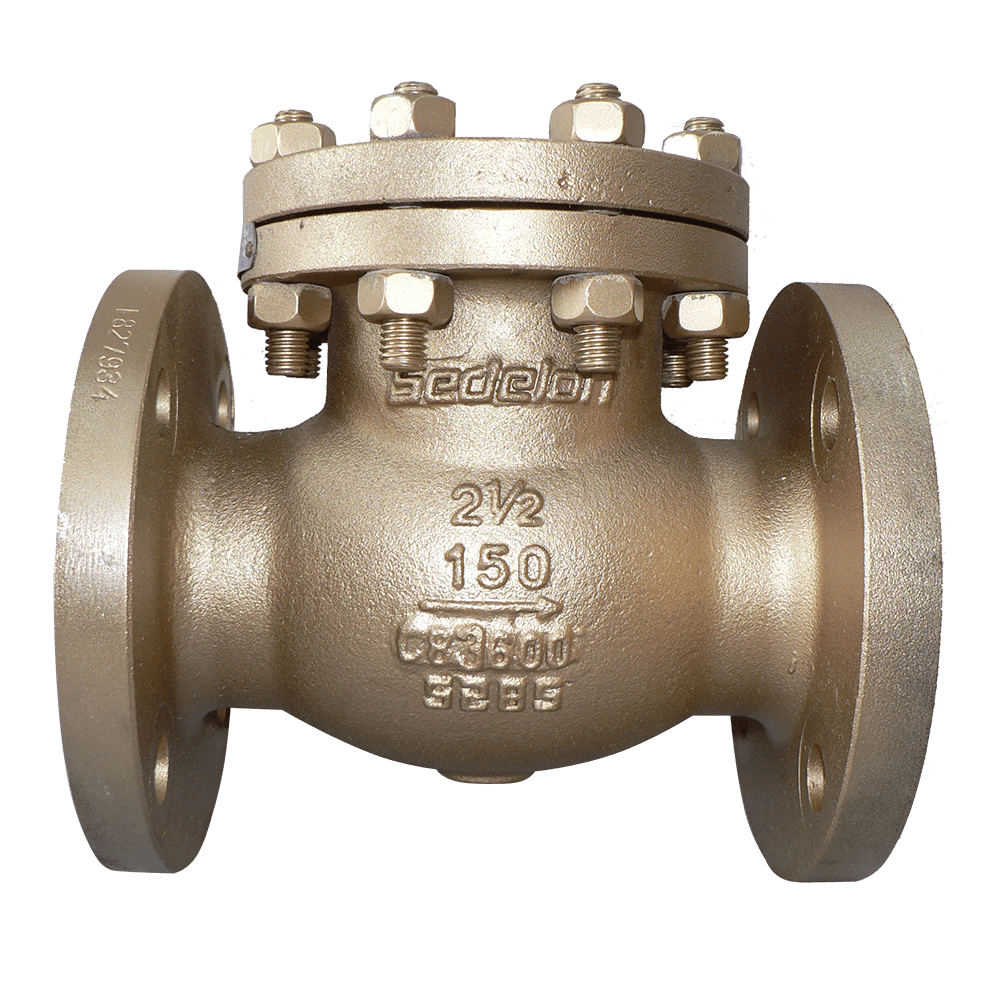
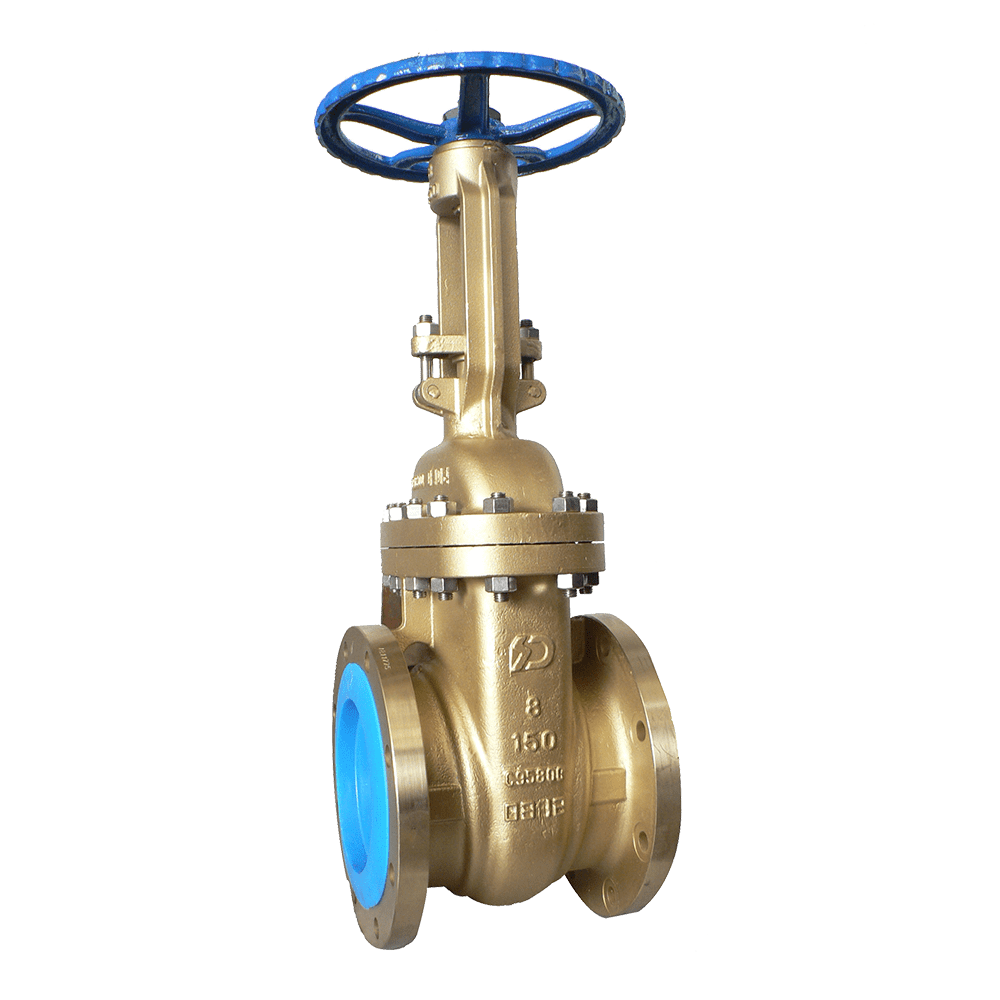
When selecting valves for your system, understanding the difference between a Bronze DIN Check Valve and a Bronze DIN Gate Valve is crucial. Both are used for controlling fluid flow, but they operate differently. In this blog, we’ll explore the key differences between these two valves and help you determine which one is best for your needs.
What is a Bronze DIN Check Valve?
A Bronze DIN Check Valve is a type of valve designed to allow flow in one direction only, preventing backflow in piping systems. It is typically used in systems where you want to ensure that the fluid doesn’t reverse its direction, which could lead to system failure or contamination. These valves automatically close when flow reverses, providing one-way control.
Key Features of Bronze DIN Check Valves:
Automatic Operation: No manual intervention is required; it opens and closes based on the flow direction.
Prevents Backflow: Essential for preventing the contamination of systems by stopping reverse flow.
Compact and Durable: Typically smaller and made from corrosion-resistant materials like bronze, making them suitable for various fluid types.
What is a Bronze DIN Gate Valve?
A Bronze DIN Gate Valve is a valve that controls the flow of fluid by lifting a gate out of the path of the fluid. These valves are used for fully opening or closing fluid flow, rather than controlling or throttling it. When fully opened, the gate valve allows a smooth and unrestricted flow, ideal for systems that require a complete shut-off or full open position.
Key Features of Bronze DIN Gate Valves:
Manual or Automated Control: Gate valves can be operated manually or with an actuator for remote control.
Fully Open or Closed: Ideal for applications requiring complete isolation or unrestricted flow.
Durable and Reliable: Made from materials like bronze, which provides resistance to corrosion, making them suitable for various industrial applications.
Key Differences Between Bronze DIN Check Valves and Gate Valves
Understanding the key differences between Bronze DIN Check Valves and Bronze DIN Gate Valves will help you make an informed decision for your system. Below is a comparison that highlights the most important aspects of each valve type:
Feature
Bronze DIN Check Valve
Bronze DIN Gate Valve
Flow Control
Allows only one-way flow, automatically preventing backflow.
Provides full control over flow, can fully open or fully close.
Operation
Operates automatically based on the direction of flow.
Operated manually or via an actuator for precise control.
Application
Ideal for preventing backflow in systems like pumps and water treatment.
Best for systems requiring full flow control or isolation.
Maintenance
Minimal maintenance required, as it operates automatically.
Requires regular maintenance due to manual or actuator operation.
Installation
Easier to install in systems needing backflow prevention.
Can be more complex to install in systems requiring manual operation.
Size and Design
Typically compact, simple design.
Larger and bulkier, designed for higher flow control.
Pressure Handling
Suitable for systems with moderate to low pressure.
Designed for both low and high-pressure systems.
Price
Generally more cost-effective due to simpler design.
May be more expensive due to its more complex design and control mechanism.
Advantages and Disadvantages
Bronze DIN Check Valve Advantages
Prevents Backflow: Protects your system from contamination or damage caused by reverse flow.
Low Maintenance: Minimal upkeep due to its automatic operation.
Compact Size: Takes up less space compared to other valves.
Bronze DIN Gate Valve Advantages
Complete Isolation: Provides full open or full closed operation, ensuring fluid flow is fully controlled.
Durable: Ideal for high-pressure or high-flow applications.
Flexible Operation: Can be automated or manually operated.
Disadvantages of Bronze DIN Check Valve
Limited Control: Only controls the direction of flow; it cannot regulate flow like gate valves.
May Not Be Suitable for High-Pressure Systems: Some designs may not handle extremely high-pressure environments effectively.
Disadvantages of Bronze DIN Gate Valve
Slower Operation: Requires more time to open or close fully, which can be a limitation in systems that require fast response times.
Not Ideal for Backflow Prevention: Gate valves are not designed to stop backflow automatically.
Applications of Bronze DIN Check Valves and Gate Valves
Bronze DIN Check Valves: Perfect for preventing backflow in water treatment plants, chemical systems, and pump protection.
Bronze DIN Gate Valves: Used for controlling the flow in pipelines for water, gas, and oil distribution.
How to Choose the Right Valve for Your System
When choosing between a Bronze DIN Check Valve and a Bronze DIN Gate Valve, consider the following:
Need for Flow Direction Control: If preventing backflow is your primary concern, opt for the Check Valve.
Flow Control Needs: If you need complete isolation of flow, a Gate Valve will be the better choice.
Maintenance Considerations: Check valves are easier to maintain, while gate valves may require more upkeep, especially in large systems.
FAQs
Q: Can a Bronze DIN Check Valve be used in high-pressure systems?
While Bronze DIN Check Valves are durable, their suitability for high-pressure systems depends on the specific design and pressure rating. Always check the manufacturer’s specifications.
Q: What’s the main advantage of a Bronze DIN Gate Valve over other valves?
The main advantage of a Bronze DIN Gate Valve is its ability to provide complete flow isolation, either fully open or fully closed, making it ideal for systems that need to control fluid flow in large volumes.
Q: How do I know if I need a Check Valve or a Gate Valve?
If your system requires backflow prevention, a Check Valve is the right choice. For full flow control, where you need to open or close the system completely, a Gate Valve is more appropriate.
Q: Are Bronze DIN Gate Valves suitable for outdoor use?
Yes, Bronze DIN Gate Valves are corrosion-resistant and suitable for outdoor installations, especially in water and wastewater applications.
Q: How often should I maintain a Check Valve?
Check Valves generally require minimal maintenance due to their automatic operation. However, regular inspections are recommended to ensure proper functioning.
Conclusion
Understanding the differences between Bronze DIN Check Valves and Bronze DIN Gate Valves can help you choose the best valve for your specific needs. At Sedelon, we provide both types of valves, designed to deliver reliable performance in a wide range of applications. Contact us today to find the right solution for your system.