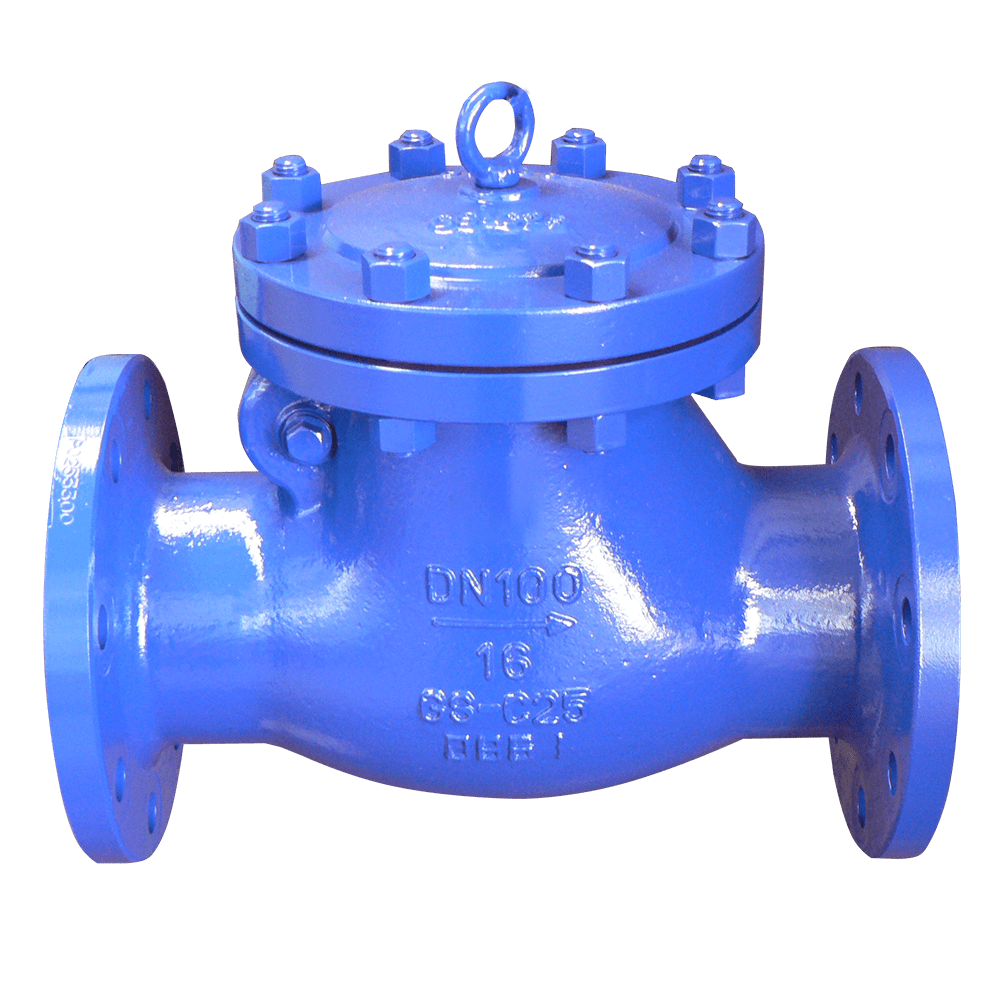
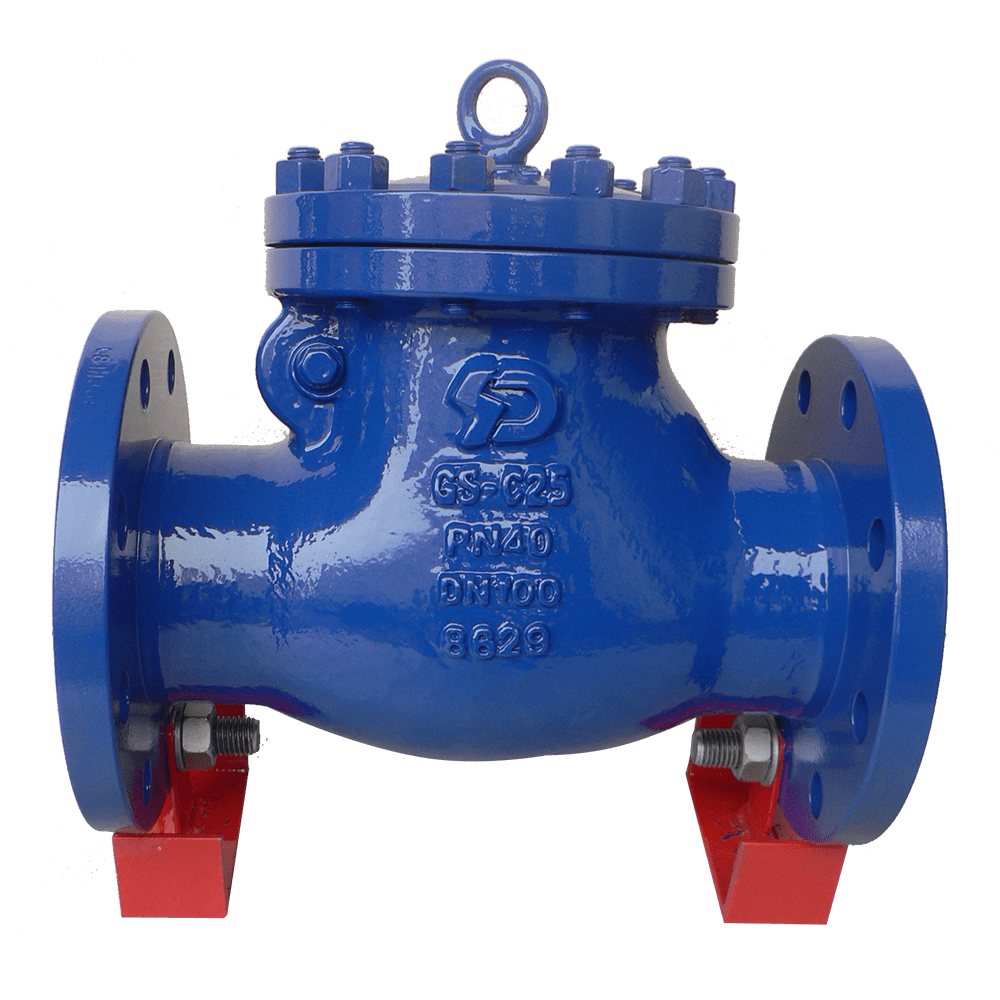
Choosing the right DIN check valve is crucial for ensuring the efficiency and reliability of your system. This guide will help you navigate the key factors to consider when selecting DIN check valves for industrial applications, including valve types, materials, and performance features. Let’s explore everything you need to know for making the best choice.
What Are DIN Check Valves?
DIN check valves are safety devices used to prevent backflow in pipelines. They are esigned according to the DIN (Deutsches Institut für Normung) standards, which ensure high performance and quality for fluid systems. These valves allow flow in one direction and automatically close to prevent reverse flow, thereby protecting your system from potential damage.
How DIN Check Valves Work
Mechanism of Operation
When fluid flows in the proper direction, the check valve opens, allowing flow. If the fluid tries to flow in the opposite direction, the valve closes to block the reverse flow, thus preventing backflow and protecting equipment downstream.
Backflow Prevention
The primary function of DIN check valves is to prevent backflow. This helps ensure that no fluid returns into the system, which could cause contamination or damage.
3. Types of DIN Check Valves
Swing Check Valves
Swing check valves are ideal for systems with low flow velocities. The valve disc swings on a hinge to allow or prevent flow.
Spring Check Valves
Spring check valves use a spring to force the valve to close. They are commonly used in applications with higher flow rates or where a faster response is required.
Ball Check Valves
Ball check valves have a spherical ball that seals against a seat to prevent reverse flow. These valves are typically used in smaller pipelines and systems where a simple design is needed.
Piston Check Valves
Piston check valves feature a piston that moves within a cylinder to block reverse flow. They offer high performance and are used in systems requiring precision.
Factors to Consider When Selecting DIN Check Valves
Application Requirements
Different applications require different types of valves. Consider the specific needs of your system, such as flow rate, pressure, and temperature, to select the right valve.
Material Selection
The material of the check valve is crucial for its durability and performance. Stainless steel is commonly used for its strength and resistance to corrosion, while brass and bronze are ideal for non-corrosive environments.
Size and Pressure Rating
Ensure that the valve size and pressure rating match the requirements of your system. Oversized or undersized valves may not function properly and could lead to system failure.
Best Materials for DIN Check Valves
Stainless Steel
Stainless steel offers excellent durability and resistance to corrosion, making it a top choice for many industrial applications.
Brass and Bronze
Brass and bronze are resistant to corrosion and are commonly used in low-pressure applications.
Cast Iron and Ductile Iron
These materials are strong and durable, commonly used in heavy-duty applications where strength is critical.
Plastic Materials
Plastic valves are lightweight, corrosion-resistant, and ideal for non-industrial applications.
Material Selection Based on Fluid Types
Choosing the right material based on the type of fluid being handled ensures better valve performance and longevity.
How to Choose the Right DIN Check Valve
Choosing the right DIN check valve for your system can significantly improve performance and longevity. Here are some key factors to help you make the best choice:
Assess Your Application Requirements
The first step in choosing a DIN check valve is understanding your specific application needs. Are you using the valve in a high-pressure system, a water treatment system, or an industrial gas pipeline? Knowing the application will guide you in selecting the right valve type and material.
Valve Type Selection
Different valve types (swing, spring, ball, piston) serve different purposes. For instance:
Swing check valves are ideal for low-flow applications.
Spring check valves are more suitable for faster response times.
Ball and piston check valves are used in smaller or high-precision systems.
Understanding your flow characteristics will help you determine which valve type works best.
Pressure and Size Considerations
Ensure that the valve you choose matches the pressure rating and size specifications of your system. A valve that’s too small or doesn’t meet the pressure requirements may not function correctly and could compromise system safety.
Material Selection
The material of the check valve plays a crucial role in its durability and ability to withstand harsh conditions. Stainless steel is commonly used for its corrosion resistance, while brass and cast iron are ideal for lower-pressure, less corrosive environments.
Performance and Lifespan
Check the performance specifications for the valve, such as flow capacity, closing time, and sealing ability. Also, consider the valve’s lifespan and ensure it aligns with your system’s maintenance schedule.
Applications of DIN Check Valves
DIN check valves are used in various industries, including water treatment, chemical processing, oil and gas, and HVAC systems. They are essential in any system that requires protection from backflow.
FAQs
Q: How do DIN check valves prevent backflow in pipelines?
DIN check valves use a mechanical mechanism (like a ball or disc) to block reverse flow, ensuring the fluid only flows in one direction.
Q: What factors should I consider when selecting a DIN check valve?
Consider application requirements, material selection, size, and pressure rating to choose the right valve for your system.
Q: What is the lifespan of DIN check valves?
The lifespan depends on the material, operating conditions, and maintenance. Proper care can extend their service life.
Q: What are the best materials for DIN check valves?
Stainless steel is often the best material for durability and corrosion resistance, but brass, bronze, and cast iron are also commonly used based on the application.
Conclusion
Choosing the right DIN check valve is vital for maintaining system efficiency and safety. Consider factors like application requirements, valve types, and materials to ensure you select the right product. At Sedelon, we offer a range of high-quality DIN check valves tailored for industrial use. Contact us today to find the perfect valve for your needs.