



Table of Contents
ToggleIntroduction
When you select big size plug valves for industrial pipelines, the right choice directly affects flow control, system safety, and long-term maintenance costs. You must consider pressure, media type, sealing performance, and operational demands. This guide helps you choose confidently and avoid costly mistakes in critical applications.
What Is a Big Size Plug Valve?
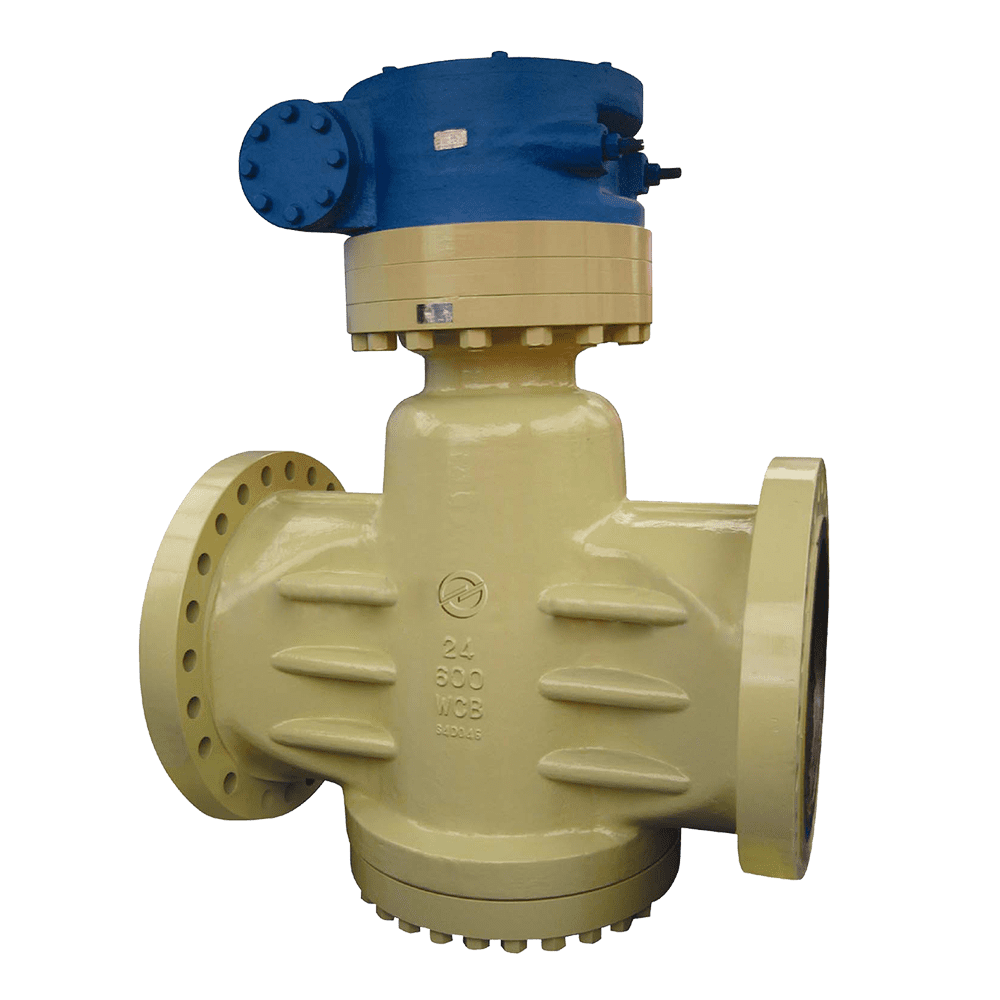
A big size plug valve is a quarter-turn shut-off valve designed for large-diameter pipelines, typically used in oil & gas, chemical processing, power plants, and water treatment systems.
You benefit from:
- Simple on/off operation
- Excellent sealing capability
- Low pressure drop
- High durability under harsh conditions
These valves are ideal when you need fast flow control and reliable isolation in high-capacity systems.
Why Big Size Plug Valves Are Used in Industrial Systems
You commonly choose big size plug valves because they:
- Handle high flow volumes efficiently
- Work well with viscous, corrosive, or dirty media
- Offer bubble-tight shutoff
- Require minimal maintenance
They perform especially well in pipelines where reliability and fast operation are critical.
Key Factors to Consider When Selecting Big Size Plug Valves
Pipeline Size and Flow Requirements
You should match valve diameter precisely to your pipeline size. Incorrect sizing leads to:
- Flow restriction
- Increased pressure loss
- Premature wear
Always evaluate flow rate and system capacity before selecting.
Operating Pressure and Temperature
Big size plug valves must withstand your system conditions.
Consider:
- Maximum working pressure
- Operating temperature range
- Sudden pressure fluctuations
Choosing materials rated for your environment prevents leaks and failures.
Media Type and Corrosion Resistance
Different fluids require different valve materials.
For example:
- Oil & gas → alloy steel or stainless steel
- Chemicals → corrosion-resistant coatings
- Water systems → carbon steel or lined valves
You should always select material based on chemical compatibility.
Sealing Performance
High-quality sealing ensures:
- Zero leakage
- Improved safety
- Lower energy loss
Look for:
- PTFE-lined plugs
- Elastomer seals for soft sealing
- Metal-to-metal sealing for high-temperature service
Operation Method
You can choose:
- Manual lever operation
- Gear-operated systems for large sizes
- Electric or pneumatic actuators for automation
Automated plug valves improve efficiency in large industrial plants.
Common Applications of Big Size Plug Valves
You will often find them in:
- Oil and gas transmission pipelines
- Chemical processing plants
- Power generation facilities
- Water treatment and wastewater systems
- Slurry and abrasive fluid handling
Their robust design makes them ideal for demanding environments.
Maintenance and Service Life Considerations
To ensure long-term performance, you should:
- Choose self-lubricating plug designs
- Inspect seals periodically
- Avoid dry operation when not designed for it
- Follow manufacturer torque recommendations
Proper maintenance significantly extends valve lifespan.
FAQs
Yes. When properly designed and made from high-strength materials, big size plug valves can handle very high pressure and temperature conditions.
No. Their straight-through flow path minimizes pressure drop compared to many other valve types.
Yes. With proper material selection and coatings, plug valves perform well in corrosive and chemical environments.
Absolutely. Actuated plug valves offer precise control and are widely used in industrial automation systems.
Conclusion
When selecting big size plug valves, you must focus on size accuracy, pressure ratings, material compatibility, sealing quality, and operation methods. The right valve improves safety, efficiency, and service life across your system.
At sedelon, you’ll find high-performance plug valves engineered for demanding industrial applications, delivering durability, precision, and long-term reliability you can trust.