



Table of Contents
ToggleIntroduction
When sealing reliability matters, choosing the right gate valve can determine the safety and efficiency of your entire pipeline system. You may be deciding between slab gate valves and wedge gate valves — two popular designs with very different sealing mechanisms. Understanding their sealing performance helps you avoid leakage, downtime, and costly maintenance.
What Is a Slab Gate Valve?
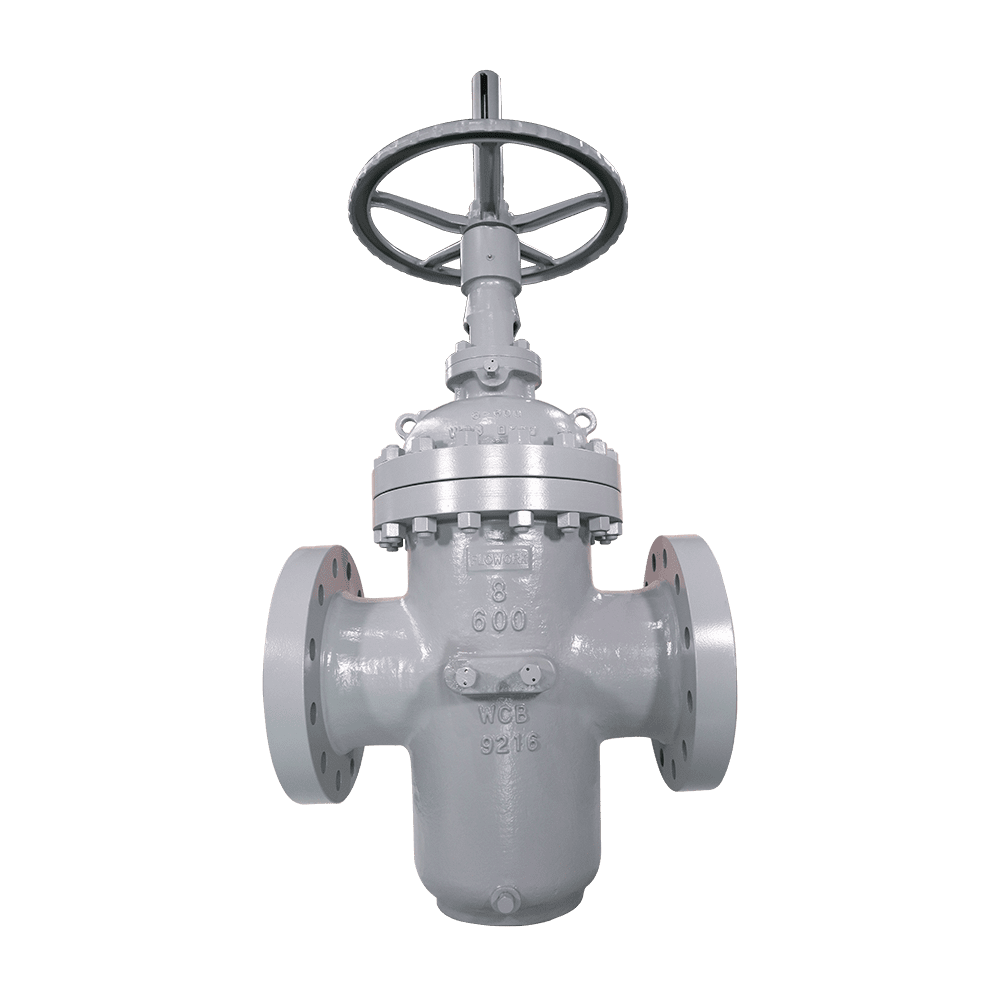
A slab gate valve uses a flat, solid gate that slides between two seat rings to shut off flow.
You benefit from:
- Full bore straight-through flow
- Double block and bleed sealing design
- Excellent isolation under high pressure
- Minimal pressure drop
The sealing relies on line pressure pushing the gate tightly against the seats, creating strong metal-to-metal or soft seat contact.
What Is a Wedge Gate Valve?
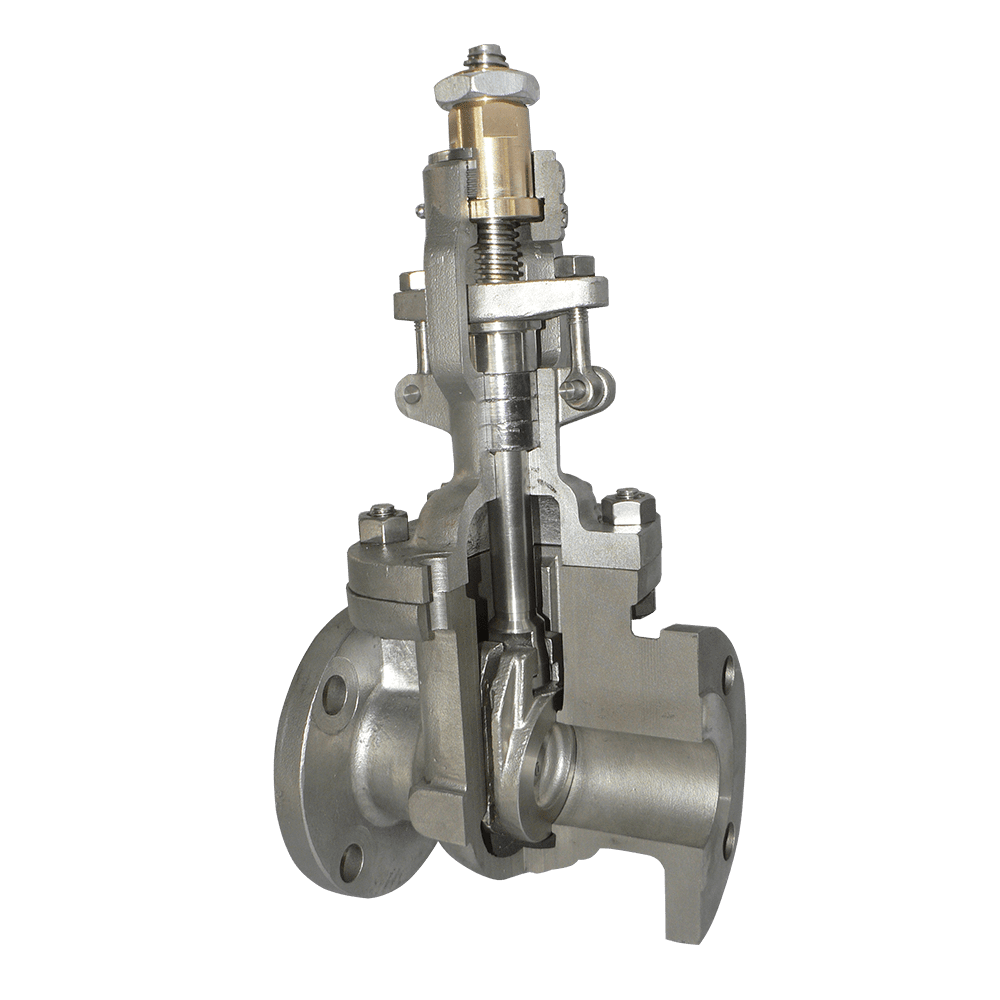
A wedge gate valve uses a wedge-shaped disc that fits tightly between two angled seats when closed.
You gain:
- Tight shut-off through mechanical wedging force
- Good performance in medium to high pressure systems
- Wide availability across industrial standards
Sealing is achieved by compressing the wedge into the seat surfaces, improving contact as the valve closes.
Key Differences Between Slab and Wedge Gate Valves
| Feature | Slab Gate Valve | Wedge Gate Valve |
| Sealing Method | Line pressure assisted sealing | Mechanical wedging force |
| Leak Prevention | Excellent, often near zero leakage | Very good but seat wear affects sealing |
| Flow Path | Full bore, straight through | Slight restriction |
| Pressure Handling | Very high pressure systems | Medium to high pressure |
| Seat Wear Impact | Minimal | Higher over time |
Applications for Each Valve Type
Slab Gate Valves
You should choose slab gate valves when:
- Zero leakage is critical
- Working in oil & gas pipelines
- Handling high-pressure transmission lines
- Pigging operations are required
They are widely used in upstream and midstream systems.
Wedge Gate Valves
You should select wedge gate valves for:
- Power plants
- Water treatment systems
- General industrial pipelines
- Steam and chemical services
They offer strong sealing with simpler construction and lower initial cost.
Maintenance and Reliability
Slab gate valves typically require:
- Less frequent seat replacement
- Lower leakage risk over long-term service
Wedge gate valves may need:
- Regular seat inspection
- Adjustment due to wear and thermal cycling
For systems with frequent operation, slab designs often maintain sealing performance longer.
How to Choose the Right Gate Valve for Your System
Choose a slab gate valve if you need:
- Maximum sealing reliability
- High-pressure resistance
- Minimal flow restriction
Choose a wedge gate valve if you want:
- Proven traditional design
- Cost-effective solution
- Reliable sealing for standard industrial use
Your pressure level, leakage tolerance, and maintenance strategy should guide the decision.
FAQs
Q:Which gate valve seals better, slab or wedge?
Slab gate valves generally provide superior sealing, especially in high-pressure applications.
Q:Are slab gate valves leak-proof?
They can achieve near zero leakage when properly designed and maintained.
Q:Do wedge gate valves wear faster?
Yes, sealing surfaces experience more mechanical friction over time.
Q:Which is better for high pressure pipelines?
Slab gate valves are usually preferred for critical high-pressure services.
Conclusion
If sealing performance is your top priority, slab gate valves typically outperform wedge gate valves, especially in demanding high-pressure environments. However, wedge gate valves remain reliable for many industrial systems. At Sedelon, you can find engineered gate valve solutions designed for durability, tight sealing, and long-term performance across industries.