



Table of Contents
ToggleIntroduction
When you design industrial piping systems, preventing backflow is critical for safety, efficiency, and equipment protection. Wafer type dual plate check valves offer a compact, fast-closing solution that reduces pressure loss and water hammer. Understanding how they work helps you choose the right valve for long-term reliability.
What Is a Wafer Type Dual Plate Check Valve?
A wafer type dual plate check valve is a non-return valve designed to fit between pipeline flanges. It uses two spring-loaded plates that open with forward flow and close instantly when flow stops.
You benefit from:
- Compact wafer-style installation
- Fast response to flow reversal
- Lower pressure drop than many traditional valves
- Reliable sealing in tight pipeline spaces
This design makes it ideal for modern industrial systems where space and performance matter.
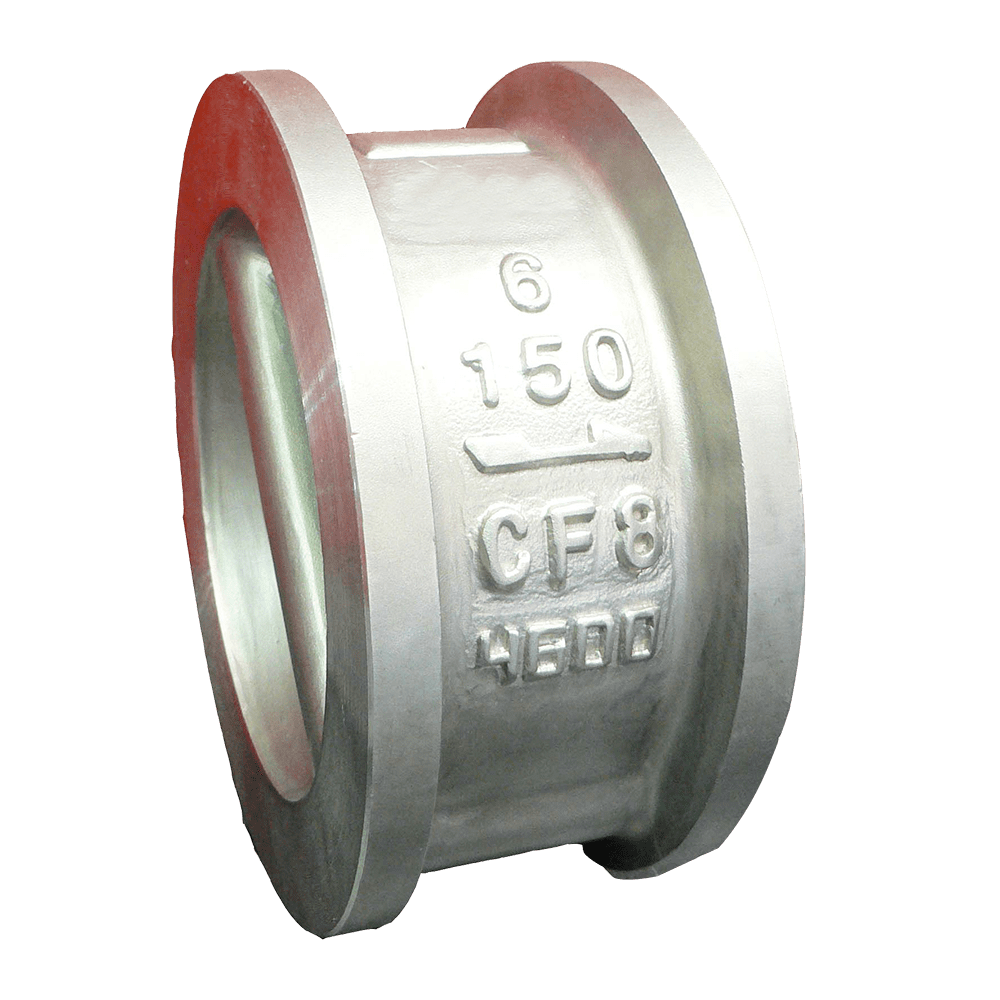
Key Design Features of Wafer Dual Plate Check Valves
Wafer dual plate check valves are engineered for efficiency and durability.
- Open quickly with low flow pressure
- Close rapidly to prevent backflow
- Fits easily between standard flanges
- Saves installation space and cost
- Reduces turbulence
- Minimizes pressure loss
- Prevent leakage
- Improve system reliability
Advantages of Wafer Type Dual Plate Check Valves
Choosing this valve type offers several operational benefits.
The streamlined design allows smoother fluid flow compared to swing check valves.
Fast closing action prevents sudden pressure surges that damage pipelines.
Ideal for tight installations and retrofitting projects.
Balanced plates and springs reduce mechanical stress.
Simply mount between flanges without extra supports.
Dual Plate Check Valves vs Swing Check Valves
| Feature | Dual Plate Check Valve | Swing Check Valve |
| Size | Compact wafer design | Bulky body |
| Response speed | Very fast closing | Slower closing |
| Water hammer | Minimal | Higher risk |
| Pressure loss | Low | Moderate to high |
| Installation space | Small | Large |
In most industrial systems, dual plate valves provide better efficiency and protection.
Applications of Wafer Type Dual Plate Check Valves
You commonly use them in:
- Steam and condensate systems
- Water treatment plants
- Oil and gas pipelines
- Chemical processing lines
- HVAC systems
- Power generation facilities
They perform especially well in high-flow and limited-space environments.
Maintenance Considerations
Wafer dual plate check valves are low maintenance, but regular inspection improves longevity.
Best practices include:
- Checking spring tension
- Inspecting sealing surfaces
- Monitoring pressure drops
- Cleaning debris buildup
Proper care ensures stable long-term performance.
Choosing the Right Wafer Type Dual Plate Check Valve
Selecting the correct wafer type dual plate check valve ensures long-term performance, safety, and efficiency in your piping system. Instead of focusing only on size, you should evaluate several critical technical and operational factors.
Operating Pressure and Temperature
Always match the valve’s pressure rating and temperature range with your system conditions.
- High-pressure steam or oil systems require reinforced valve bodies
- High-temperature applications need heat-resistant materials and seals
- Low-pressure water systems can use standard ratings
Choosing the wrong rating can lead to leakage, deformation, or early failure.
Material Selection for Different Media
The valve body and internal components must resist corrosion, erosion, and chemical attack.
Common material choices include:
- Carbon steel – cost-effective for water, air, and steam
- Stainless steel – ideal for corrosive, food-grade, and chemical media
- Alloy steel – suitable for extreme pressure and temperature
Proper material selection significantly extends valve service life.
Seal Type and Leakage Requirements
Different applications demand different sealing performance.
- Metal-to-metal seals for high temperature and abrasive fluids
- Soft seals (EPDM, NBR, PTFE) for tighter shutoff in low to medium temperature systems
If zero leakage is critical, soft-seated designs are usually preferred.
Flow Characteristics and Pressure Drop
To maximize system efficiency:
- Choose streamlined valve designs with short flow paths
- Ensure the valve diameter matches pipeline size precisely
- Avoid undersized valves that restrict flow
Low-pressure-loss designs help reduce pump energy consumption.
Installation Standards and Space Constraints
Confirm compatibility with:
- Flange standards (ANSI, DIN, JIS, etc.)
- Available installation space
- Pipeline alignment
Wafer type valves are ideal for compact installations, but proper spacing still matters for maintenance access.
Closing Speed and Water Hammer Protection
In fast-flow or vertical pipelines:
- Select valves with optimized spring tension
- Ensure quick response to flow reversal
This minimizes water hammer and protects downstream equipment.
Maintenance and Serviceability
For long-term cost savings:
- Look for replaceable seals and springs
- Choose designs that allow easy inspection
- Consider manufacturer support and spare part availability
Simple maintenance keeps downtime low.
FAQs
Q:What makes dual plate check valves better than swing check valves?
They close faster, reduce water hammer, take less space, and have lower pressure loss.
Q:Can wafer type check valves handle high pressure?
Yes, when designed with proper materials and pressure ratings.
Q:Are dual plate check valves suitable for steam systems?
Absolutely. Their quick response prevents condensate backflow and system damage.
Q:How long do dual plate check valves last?
With proper maintenance, they offer long service life even in harsh industrial conditions.
Q:Is installation difficult?
No. They install easily between flanges without special tools.
Conclusion
Wafer type dual plate check valves offer a smart balance of compact design, fast response, and high efficiency for modern industrial piping systems. By reducing pressure loss and preventing water hammer, they protect equipment and improve system performance. At Sedelon, we provide high-quality dual plate check valves engineered for reliability in demanding applications.