



Table of Contents
ToggleIntroduction
When you design reliable pipeline systems, valve material and standards play a critical role in performance and safety. You may be considering bronze DIN gate valves for their corrosion resistance, sealing reliability, and long service life. Understanding how these valves work helps you select the right solution for demanding industrial and water applications.
What Is a Bronze DIN Gate Valve?
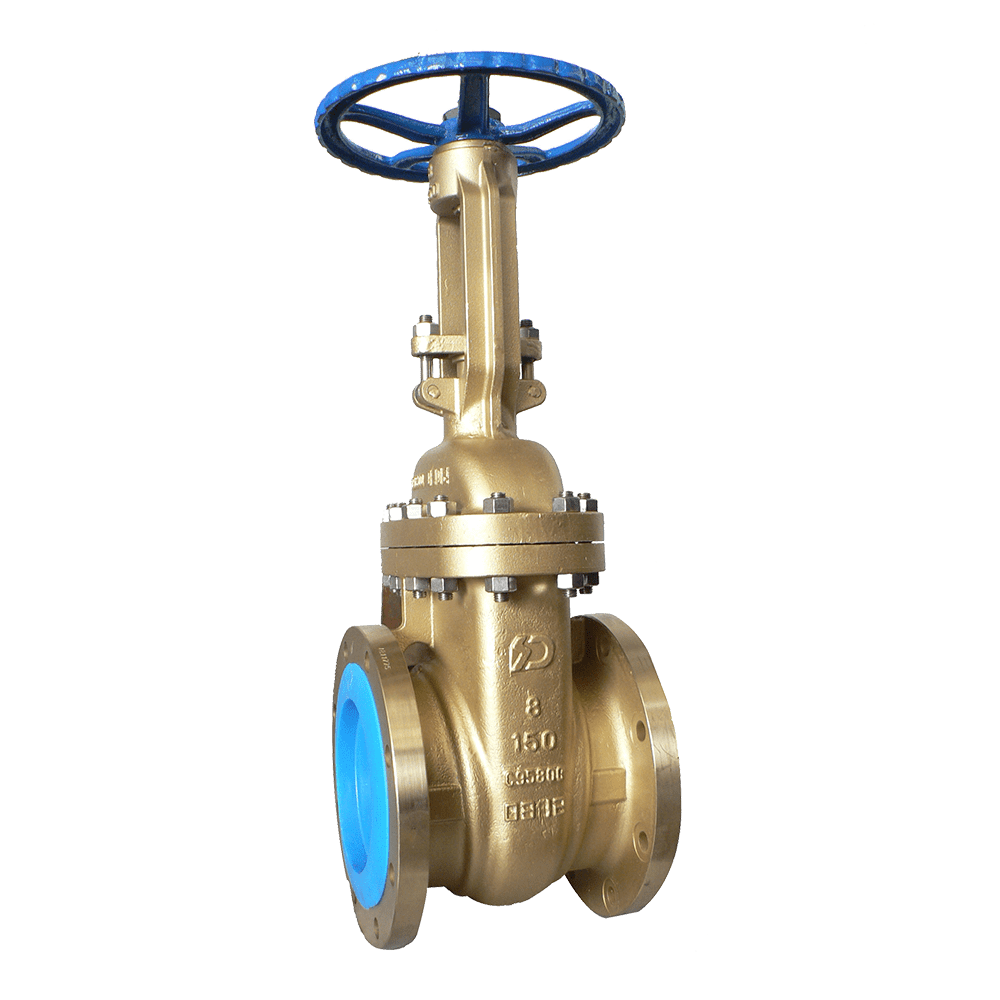
A bronze DIN gate valve is a shut-off valve manufactured according to DIN standards and made primarily from bronze alloys.
You benefit from:
- Excellent resistance to corrosion and scaling
- Smooth flow with minimal pressure loss
- Strong sealing under PN10 and PN16 ratings
- Compatibility with European pipeline dimensions
These valves typically come in threaded or flanged connections to match different system requirements.
Key Advantages of Bronze DIN Gate Valves
Choosing bronze DIN gate valves gives you several performance benefits:
- Long service life even in aggressive fluids
- Superior resistance to rust compared with steel
- Reliable leak-proof sealing performance
- Stable strength at elevated temperatures
- Lower maintenance frequency
This makes them ideal for both industrial and utility systems.
DIN Standards and Technical Specifications Explained
DIN standards define:
- Valve dimensions and face-to-face lengths
- Pressure ratings such as PN10 and PN16
- Material requirements for bronze alloys
- Sealing and testing criteria
When you select DIN-compliant valves, you ensure proper fit, safety, and consistent performance across pipeline networks.
Bronze vs Brass Gate Valves: Which Should You Choose?
| Feature | Bronze Gate Valve | Brass Gate Valve |
| Corrosion Resistance | Excellent | Moderate |
| Strength | Higher | Lower |
| High Temperature Stability | Strong | Limited |
| Service Life | Long | Shorter |
| Industrial Use | Preferred | Light duty |
You should choose bronze for demanding environments where durability and sealing reliability matter most.
Main Applications of Bronze DIN Gate Valves
You commonly use bronze DIN gate valves in:
- Water supply and distribution systems
- Oil and gas pipelines
- HVAC networks
- Chemical processing lines
- High-temperature fluid services
Their corrosion resistance makes them particularly valuable in moisture-prone environments.
How to Choose the Right Bronze DIN Gate Valve for Your System
Selecting the right bronze DIN gate valve is not just about size. You need to match performance, durability, and operating conditions to ensure long-term system reliability.
Confirm Pressure Rating and Flow Requirements
Start by identifying your system’s working pressure.
- PN10 is suitable for standard water and low-pressure pipelines
- PN16 is recommended for higher-pressure industrial systems
Always select a valve with a pressure rating higher than your maximum operating pressure to avoid leakage and premature wear.
Choose the Correct Connection Type
Bronze DIN gate valves are commonly available in:
- Threaded connections for small pipelines and easy installation
- Flanged connections for larger diameters and higher-pressure stability
If your system requires frequent maintenance, flanged valves offer better service accessibility.
Evaluate Operating Temperature and Fluid Type
Different bronze alloys perform differently depending on:
- Fluid composition (water, oil, gas, chemicals)
- Temperature range
- Presence of corrosive elements
For hot fluids or aggressive environments, choose high-grade bronze materials with certified corrosion resistance.
Match Valve Size to Pipeline Diameter
Never undersize or oversize your valve.
- Undersized valves increase pressure loss
- Oversized valves reduce sealing efficiency
Always follow DIN dimension standards to ensure proper flow and tight sealing.
Consider Sealing Structure and Leakage Requirements
Look for:
- Precision-machined gate surfaces
- High-quality sealing rings or soft seals
- Low leakage class certification
For critical systems, prioritize valves designed for near zero-leakage performance.
Check Compliance and Quality Certifications
Reliable bronze DIN gate valves should meet:
- DIN dimensional standards
- Pressure testing requirements
- Material traceability
Certified products ensure consistent quality and long-term safety.
Think About Maintenance and Lifecycle Cost
A lower purchase price does not always mean lower total cost.
Choose valves that offer:
- Durable sealing components
- Easy disassembly
- Proven long service life
This significantly reduces downtime and replacement frequency.
Maintenance Tips for Long-Term Performance
To extend valve life:
- Inspect seals periodically
- Operate valves regularly to prevent sticking
- Clean buildup from internal surfaces
- Replace worn packing promptly
Proper maintenance keeps sealing performance consistent.
Common Mistakes to Avoid When Selecting Gate Valves
Avoid:
- Choosing brass instead of bronze for harsh conditions
- Ignoring pressure and temperature limits
- Mixing DIN valves with non-DIN pipelines
- Overlooking sealing material compatibility
These errors often lead to leakage and early failure.
FAQs
Q:Are bronze DIN gate valves corrosion resistant?
Yes, bronze offers excellent resistance to rust and chemical attack.
Q:What pressure ratings are common?
Most DIN bronze gate valves are PN10 and PN16.
Q:Can they handle high temperatures?
Yes, bronze performs well in elevated temperature systems.
Q:Which is better, bronze or brass?
Bronze is better for industrial durability and long-term sealing.
Conclusion
If you want reliable sealing, corrosion resistance, and long service life, bronze DIN gate valves are an excellent choice for pipeline systems. By selecting the correct pressure rating and design, you ensure long-term performance and safety. At Sedelon, you can find high-quality bronze DIN gate valves engineered for dependable industrial operation.