



Introduction
Choosing the right copper-alloy valve can be challenging, as bronze valves and brass valves often look identical to the untrained eye. However, for industrial, marine, and water treatment applications, selecting the wrong material can lead to premature corrosion and system failure. While brass is common in light commercial use, bronze remains the industry standard for harsh environments. As a specialist manufacturer, Sedelon provides premium bronze gate valves and globe valves engineered to withstand the most demanding conditions. This guide breaks down the essential differences to help you make an informed decision.
What is the Difference? Composition & Strength
The fundamental difference between these two materials lies in their chemical makeup. Bronze is primarily composed of copper and tin, a combination that yields exceptional hardness and fatigue resistance. Brass, on the other hand, is an alloy of copper and zinc, which makes it more malleable and easier to machine but less durable in high-stress environments.
At Sedelon, we elevate these standards by utilizing high-grade alloys such as C83600 (LG2) and Aluminum Bronze (C95800). These materials offer significantly higher tensile strength and wear resistance compared to standard commercial brass, ensuring that every valve bearing the Sedelon name can handle industrial-grade pressure.
Why Choose Sedelon Bronze Valves?
The primary reason engineers specify bronze over brass is corrosion resistance. Brass is susceptible to “dezincification,” a process where zinc is leached out of the alloy in saline or acidic environments, leaving the valve porous and brittle. Bronze is virtually immune to this phenomenon.
Sedelon’s bronze product line is specifically designed for these critical services:
Bronze Gate Valves: The premier choice for full-bore flow and reliable isolation in marine pipelines.
Bronze Globe Valves: Engineered for precise throttling and frequent operation without seat erosion.
Bronze Check Valves: Essential for preventing backflow in seawater cooling systems and desalination plants.
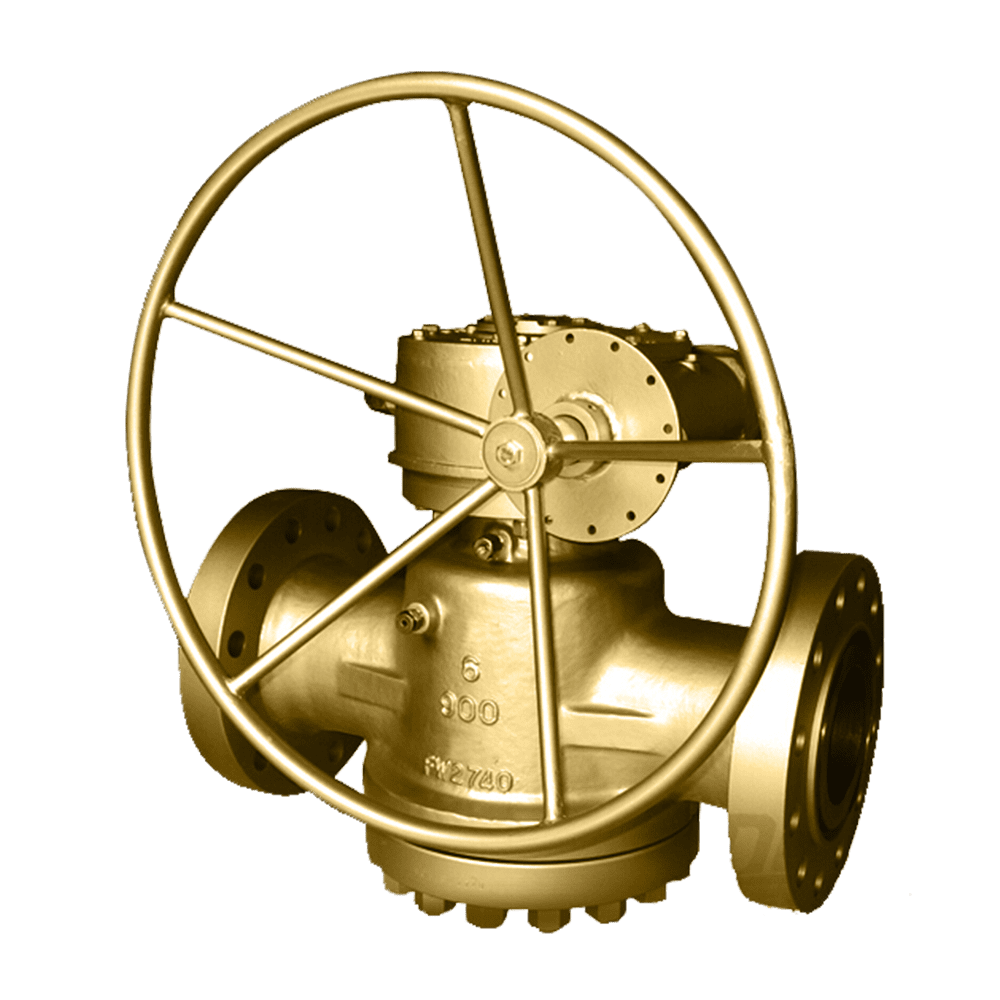
Critical Applications: Where Bronze Reigns Supreme
In certain industries, the use of bronze is not just preferred—it is a safety requirement.
Marine & Offshore: The salt-laden air and constant contact with seawater require the anti-fouling and anti-corrosive properties of aluminum bronze.
Safety & Non-Sparking Environments: Bronze is a non-sparking material. This makes Sedelon’s bronze valves indispensable in oxygen systems, fuel handling, and explosive gas environments where a single spark could be catastrophic.
Desalination & Potable Water: High-quality bronze maintains its structural integrity in treated water systems, ensuring long-term purity and safety.
Long-term Value: Total Cost of Ownership (TCO)
While brass valves often have a lower initial purchase price, the Total Cost of Ownership for bronze is significantly lower in industrial settings. Brass valves in corrosive environments may require replacement every 1–2 years, whereas a properly specified Sedelon Bronze Valve can last for decades. By adhering to the MSS SP-80 standard, Sedelon ensures that every valve provides maximum uptime, reducing the labor costs and downtime associated with frequent repairs.
Head-to-Head Comparison: Bronze vs. Brass
| Feature | Bronze Valve (Sedelon) | Brass Valve (Standard) |
| Primary Alloy | Copper + Tin (+ Aluminum/Nickel) | Copper + Zinc |
| Corrosion Resistance | Excellent (Seawater & Acids) | Moderate (Freshwater only) |
| Structural Strength | High Tensile Strength | Moderate |
| Dezincification | Immune | Highly Susceptible |
| Typical Product | Bronze Globe Valve | Residential Ball Valve |
| Ideal Environment | Marine, Industrial, Petrochemical | Plumbing, HVAC, Light Commercial |
FAQs: Quick Answers for Engineers
Q1: Can bronze valves be used in seawater applications?
Yes, absolutely. Specifically, Aluminum Bronze (C95800) is the gold standard for seawater due to its ability to form a protective oxide layer that resists chloride attack.
Q2: Is bronze more expensive than brass?
Yes, bronze is generally more expensive because tin is a more costly raw material than zinc, and the manufacturing process for high-strength bronze is more complex.
Q3: Which is better for high-pressure systems?
Bronze is superior. It maintains its structural integrity under higher temperatures and pressures, making it safer for industrial steam and heavy-duty fluid control.
Q4: Does Sedelon provide certification for marine valves?
Yes. Sedelon provides comprehensive material test reports (MTRs) and can manufacture valves to meet various international marine and industrial quality standards.
Conclusion
The choice between bronze and brass ultimately comes down to the environment. While brass is suitable for residential plumbing, bronze valves are the essential choice for marine, offshore, and industrial applications where failure is not an option.
Invest in reliability and safety. Browse the full Sedelon Bronze Valve Collection or contact our technical team today to discuss the best material specifications for your project.