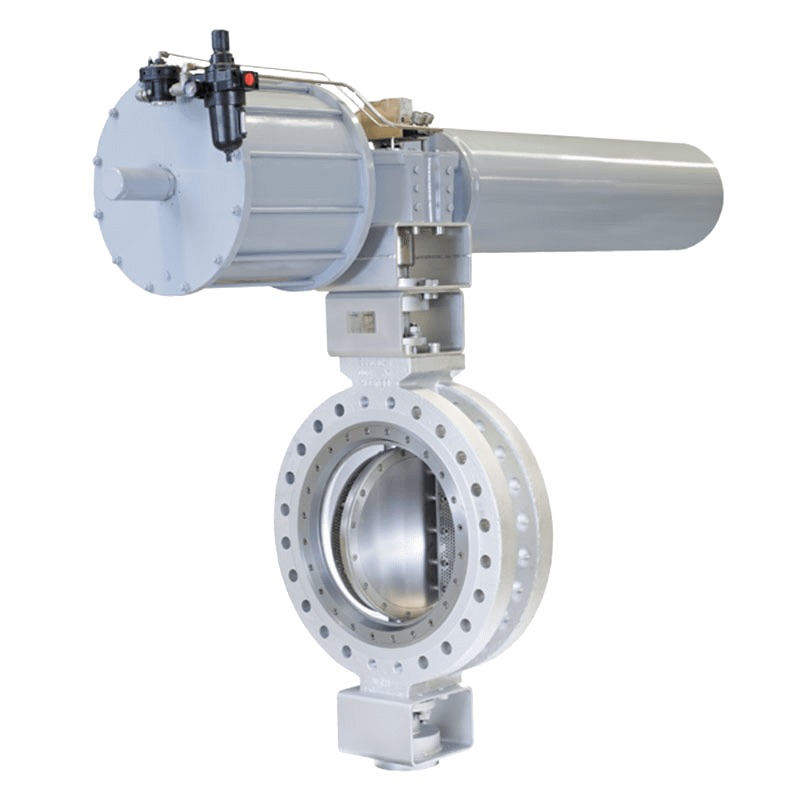
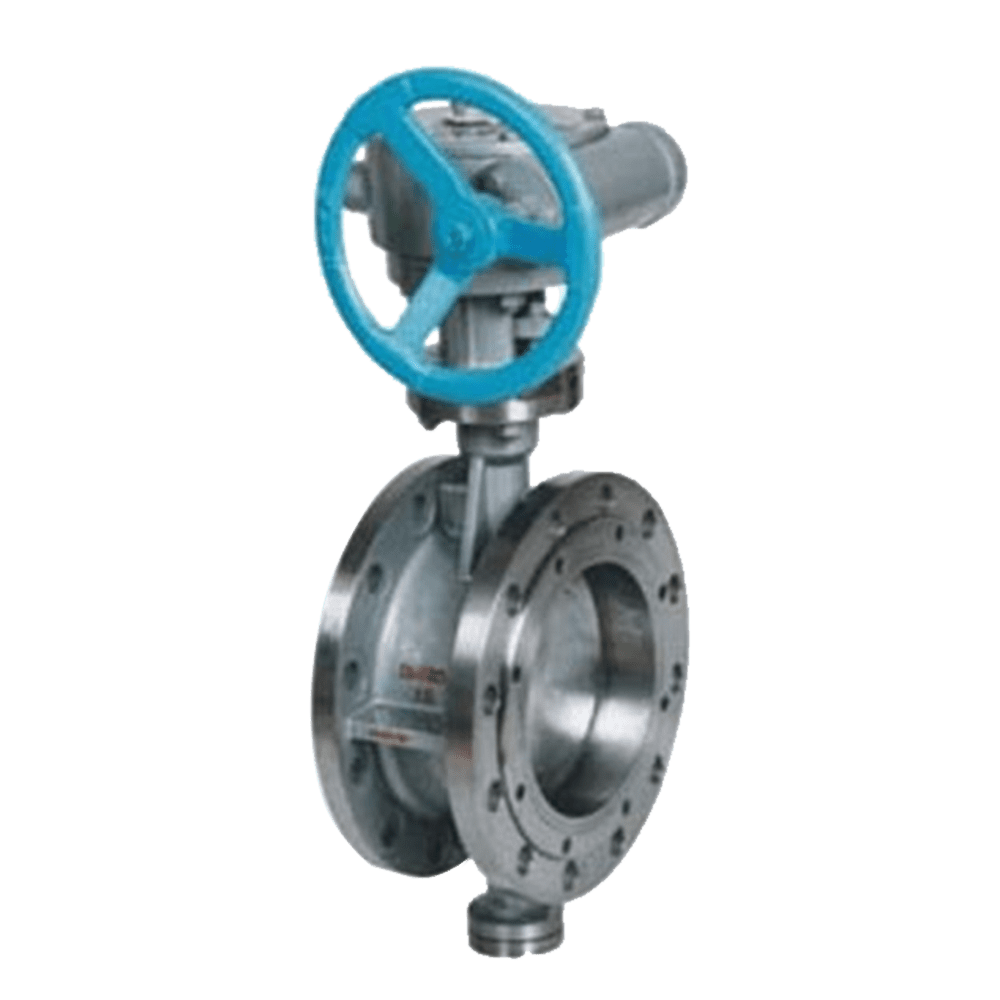
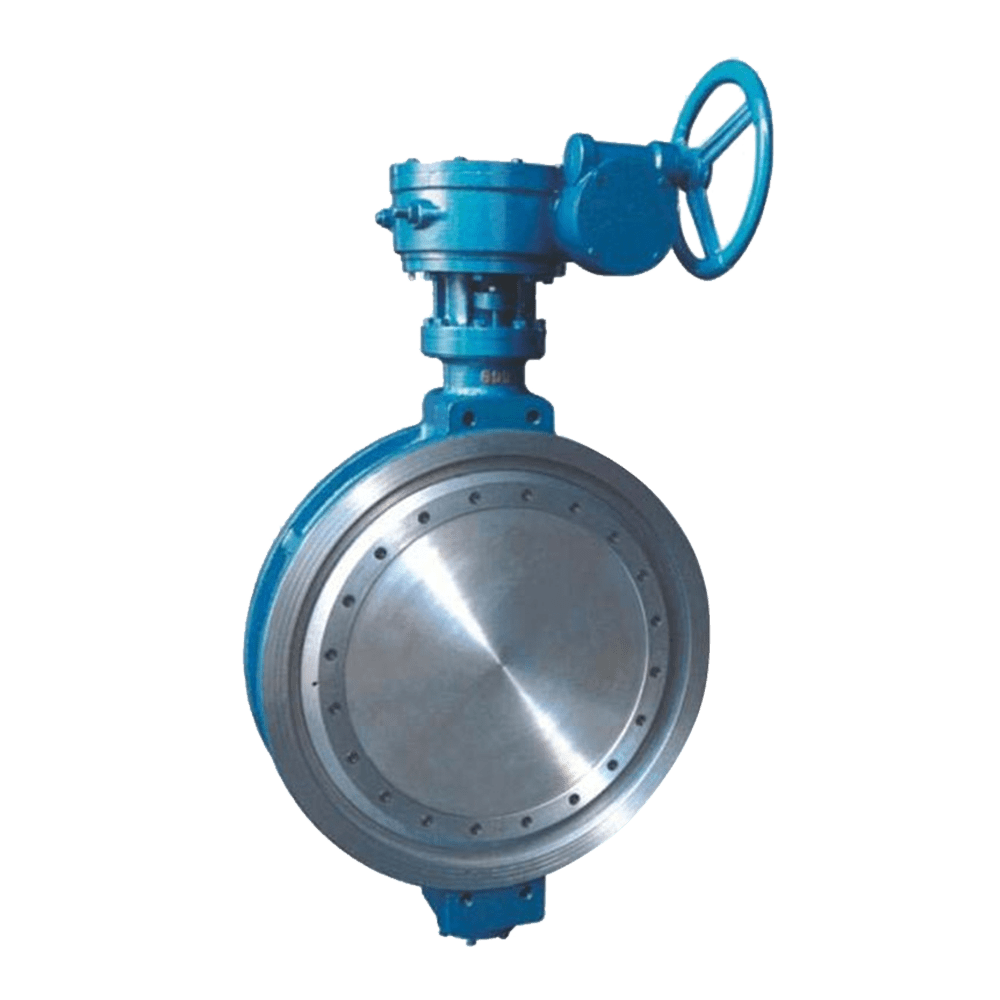
When selecting a butterfly valve for industrial applications, choosing the right material is essential for ensuring long-term performance and reliability. Cast steel and carbon steel are two common materials used for butterfly valves, each offering distinct advantages. In this guide, we will explore the differences between cast steel and carbon steel butterfly valves to help you make an informed decision based on your specific application needs.
What Are Butterfly Valves?
Butterfly valves are used to regulate the flow of fluids in a pipeline. Their design includes a disc that rotates to either open or close the valve, providing quick and efficient flow control. Butterfly valves are commonly used in various industries, including water treatment, oil and gas, and chemical processing.
What Are Cast Steel and Carbon Steel Butterfly Valves?
Cast Steel Butterfly Valves
Cast steel butterfly valves are made from cast steel, a material known for its high strength and resistance to deformation. Cast steel valves are often used in applications where high-pressure conditions and harsh environments are expected. They provide durability and excellent sealing performance.
Carbon Steel Butterfly Valves
Carbon steel butterfly valves are made from carbon steel, a material that is strong, cost-effective, and versatile. These valves are commonly used in applications where the pressure and temperature are lower, but they still require reliable performance. Carbon steel valves are ideal for general applications in industrial systems.
Key Comparing Cast Steel and Carbon Steel Butterfly Valves
Feature
Cast Steel Butterfly Valves
Carbon Steel Butterfly Valves
Material Composition
High carbon content, strong, resistant to wear
Moderate carbon content, more cost-effective
Pressure Resistance
Suitable for high-pressure applications
Best for low to medium pressure systems
Temperature Tolerance
Can withstand high temperatures
Less effective at extreme temperatures
Durability
Higher durability in harsh environments
Moderate durability in less demanding conditions
Cost
Generally more expensive due to the material
More affordable and economical for general use
Best Applications for Cast Steel and Carbon Steel Butterfly Valves
Industrial Applications
Cast Steel Butterfly Valves: Ideal for high-pressure industrial systems, such as power plants, refineries, and chemical industries, where durability and high performance are crucial.
Carbon Steel Butterfly Valves: Best suited for water treatment plants, HVAC systems, and other general industrial applications that require cost-effective solutions.
High vs. Low-Pressure Systems
Cast Steel Butterfly Valves: Preferable for high-pressure systems due to their robust construction and ability to withstand harsh conditions.
Carbon Steel Butterfly Valves: Designed for low to medium-pressure systems, offering reliable flow control at a more affordable cost.
Media Compatibility
Cast Steel Butterfly Valves: Can handle more aggressive media, including high-temperature fluids and corrosive chemicals.
Carbon Steel Butterfly Valves: Suitable for water, oil, and gases but may not be as resistant to corrosion or extreme temperatures as cast steel valves.
How to Choose the Right Butterfly Valve Material
When selecting a butterfly valve, consider the following factors:
Pressure and Temperature: Cast steel valves are best for high-pressure and high-temperature systems, while carbon steel is sufficient for lower-pressure applications.
Material Compatibility: Ensure the valve material is compatible with the fluid or gas being controlled.
Budget and Cost: If budget is a concern, carbon steel offers a more economical solution for general applications.
Installation and Maintenance Considerations
Cast Steel Butterfly Valve Installation
Installing cast steel butterfly valves requires careful alignment due to their heavier construction. It is crucial to follow the manufacturer’s guidelines for proper installation to prevent leakage and ensure long-term functionality.
Carbon Steel Butterfly Valve Maintenance
Carbon steel butterfly valves are easier to maintain due to their simpler construction. Regular inspection and cleaning are recommended to avoid issues such as corrosion and wear, especially when used in less demanding environments.
FAQs
What is the difference between cast steel and carbon steel butterfly valves?
Cast steel butterfly valves are designed for high-pressure, high-temperature applications, while carbon steel valves are more suitable for general-purpose, low to medium-pressure systems.
What are the best applications for cast steel and carbon steel butterfly valves?
Cast steel valves are best for high-pressure industrial applications, while carbon steel valves are ideal for more general applications such as water systems and HVAC.
How do cast steel and carbon steel butterfly valves compare in terms of durability?
Cast steel valves are more durable in harsh conditions, whereas carbon steel valves are moderately durable but may not perform well under extreme pressure or temperature.
How do I choose the right butterfly valve material?
Consider factors like pressure, temperature, and the type of media being controlled when choosing between cast steel and carbon steel valves.
Conclusion
Choosing the right butterfly valve material is critical for the success of your system. Cast steel butterfly valves offer superior performance in high-pressure and high-temperature applications, while carbon steel valves provide a cost-effective solution for general industrial needs. By understanding the key differences, you can select the most suitable valve for your specific application, ensuring optimal performance and longevity.