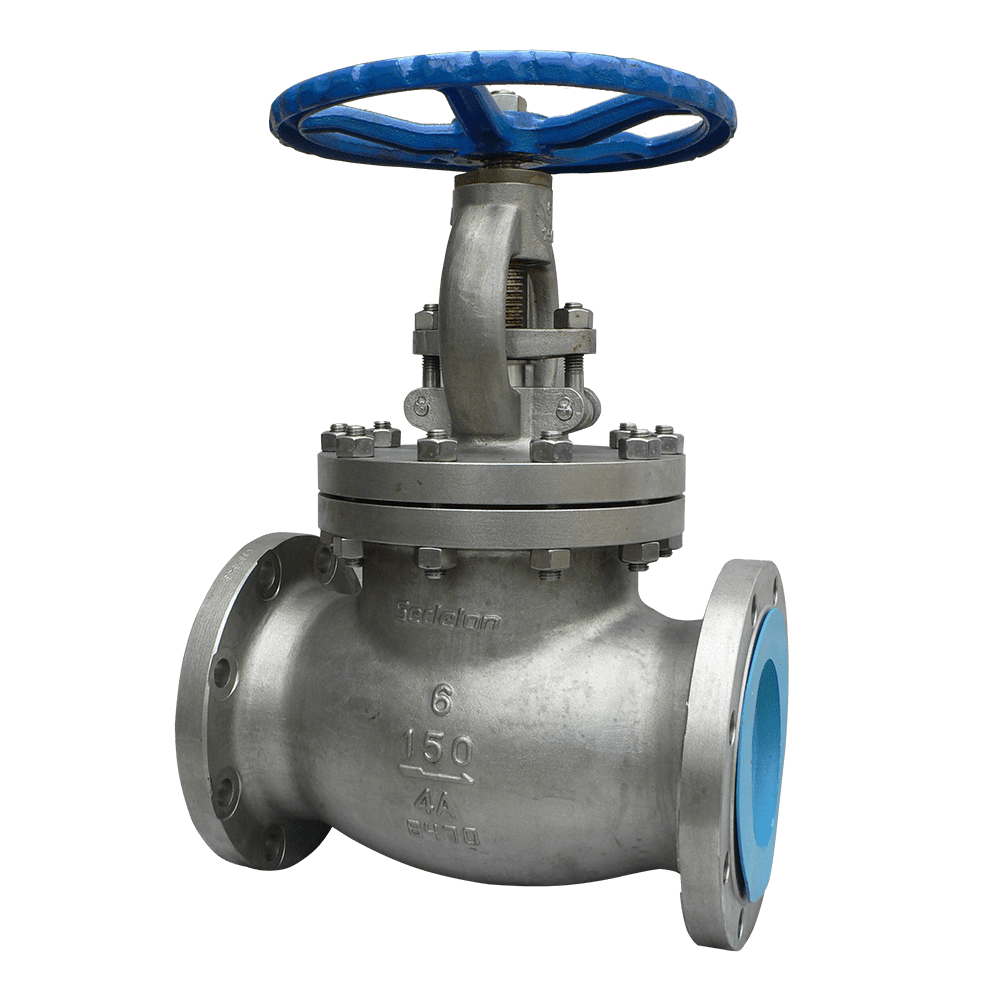
Selecting the right alloy globe valve is essential for controlling flow safely and efficiently in industrial systems. Whether you work with high temperature, high pressure, or corrosive media, the correct valve improves performance and reduces maintenance risks. This guide helps you choose confidently for long-term reliability and system safety.
What Is an Alloy Globe Valve?
An alloy globe valve is a flow control valve made from high-performance alloy steels such as chrome-moly, stainless alloys, or special corrosion-resistant materials. You use it when standard carbon steel cannot withstand:
High temperature steam
High pressure pipelines
Corrosive fluids and gases
Frequent flow regulation
Its design allows precise throttling and excellent sealing performance.
Why Choose Alloy Globe Valves Over Standard Valves?
They provide precise flow control and long-term reliability.
Installation and Maintenance Tips
Install according to flow direction markings
Use proper gasket materials for high temperatures
Inspect sealing surfaces regularly
Perform routine tightening and lubrication
Good installation extends valve lifespan and prevents leakage.
FAQs
Q: Why are alloy globe valves better for high-temperature systems?
Alloy materials maintain mechanical strength and sealing performance even under extreme heat.
Q: Can alloy globe valves handle corrosive fluids?
Yes. Stainless and nickel alloys offer excellent corrosion resistance for harsh media.
Q: How do I choose the right size globe valve?
Match the valve diameter with pipeline size and flow requirements to avoid pressure loss.
Q: Are alloy globe valves suitable for throttling flow?
Absolutely. Globe valves are designed for precise flow regulation.
Conclusion
Choosing the right alloy globe valve protects your system from extreme temperatures, pressure, and corrosion while ensuring precise flow control. By focusing on material selection, operating conditions, and proper installation, you achieve long-term performance and safety.
With Sedelon’s high-quality alloy globe valves, you gain reliable engineering, superior materials, and dependable sealing solutions for demanding industrial applications.