



Introduction
How to ensure stable ball valve shut off and proper use of Ball Valves has become a key industry concern. Mastering ball valve symbol recognition, correct valve selection and maintenance greatly improves system safety and efficiency. This article offers a types of brass ball valves ultimate guide, explains brass ball valve applications importance industrial uses, provides ball valve handle replacement steps, and covers market trends for full lifecycle management.
What are Ball Valves?

At its core, a Ball Valve is a quarter-turn flow control device that uses a hollow, perforated spherical ball to regulate the passage of liquids, gases, or slurries. The valve operates on a simple yet effective principle: when the ball’s bore aligns with the pipeline, fluid flows freely; when the ball is rotated 90 degrees by a handle or actuator, the solid portion of the ball blocks the flow completely, creating a tight seal—this is the core of its ball valve shut off mechanism. This design ensures quick operation, reliable ball valve shut off, and minimal pressure drop, making Ball Valves suitable for a wide range of applications—from basic residential use to high-stakes industrial processes. When designing or maintaining fluid systems, the ball valve symbol is used in schematics to indicate the valve’s placement and function, ensuring clear communication among engineering teams.
Unlike gate valves or globe valves, which require multiple turns to open or close, Ball Valves offer instant on-off control and efficient ball valve shut off, reducing operational time and effort. They are also highly versatile, available in various sizes, materials, and configurations to accommodate different pressure ratings, temperature ranges, and fluid types. Key characteristics that set Ball Valves apart include their bubble-tight sealing performance, durability, and ease of maintenance—attributes that have solidified their position in industries such as oil and gas, water treatment, chemical processing, and HVAC systems. Familiarity with the ball valve symbol is crucial for anyone working with these systems, as it allows for accurate system design, troubleshooting, and maintenance.
While Ball Valves can be manufactured from materials like stainless steel, cast iron, and plastic, brass ball valves stand out for their unique combination of affordability, corrosion resistance, and work ability, making them the preferred choice for most low-to-medium pressure applications. This section serves as an introduction to our types of brass ball valves ultimate guide, which will detail the various variants and their uses, along with insights into brass ball valve applications importance industrial uses.
A Complete Guide to Types of Brass Ball Valves
Common Brass Ball Valve Variants
This chapter provides important guidance on the various types of brass ball valves and presents an overview of the main models that have specific requirements based on different usage conditions. Understanding this type is crucial for selecting the appropriate valves for equipment. An inappropriate choice can lead to early damage, leakage, or safety hazards. The following lists the most common types of brass ball valves, each feature being related to different uses and suitable for different industrial fields.
Full-Port Brass Ball Valves: The channel diameter is the same as the pipe diameter, ensuring continuous flow and minimizing pressure loss. This type of valve is particularly suitable for water supply systems, air ducts, and lightweight industrial engineering applications that require high flow efficiency. Due to its high reliability and tight sealing, it can quickly cut off the flow in emergency situations and becomes a safe choice in important systems.
Full-Port Brass Ball Valves: There are designs with channels that are narrower than the pipe diameter. Although they are less expensive than fully through-type blowers, they have greater pressure loss. Therefore, they are suitable for applications where flow is not the determining factor in residential networks, small irrigation systems, and low-flow industrial use. The opening and closing function still maintains high reliability, and is particularly suitable for personal residences and lightweight commercial use.
Three-Way Brass Ball Valves: Designed with three ports, these valves are used to divert or mix fluid flows. They are commonly used in HVAC systems to switch between heating and cooling modes, in chemical processing to blend different media, and in water treatment systems to redirect flow between filters or tanks. Three-way brass ball valves can be configured as L-port or T-port, and their ball valve shut off capability ensures precise control over fluid direction. In system schematics, the ball valve symbol for three-way valves includes additional ports to indicate their unique design.
Threaded Brass Ball Valves: The most common type of brass ball valve, threaded valves feature male or female threads on the ends, allowing for easy installation in threaded pipelines. They are widely used in residential and commercial plumbing, as well as small industrial systems, due to their simplicity and cost-effectiveness. Their ball valve shut off mechanism is straightforward, making them easy to operate even for non-professionals, and they are a key component in many brass ball valve applications importance industrial uses for small-scale operations.
Soldered Brass Ball Valves: Also known as sweat-fit valves, these are designed to be soldered to copper pipes, creating a permanent, leak-tight connection. They are commonly used in plumbing systems where a secure, non-threaded connection is required, such as in residential water lines and HVAC systems. Their reliable ball valve shut off ensures that water flow can be stopped quickly in case of pipe damage or maintenance, making them essential for residential safety.
Flanged Brass Ball Valves: These valves feature flanged ends that are bolted to flanged pipeline components, making them suitable for larger diameter systems and higher pressure applications. Flanged brass ball valves are often used in industrial settings, such as chemical processing plants and water treatment facilities, where durability and leak resistance are critical. Their robust ball valve shut off capability is essential for handling high-pressure fluids, and they are a key part of brass ball valve applications importance industrial uses in heavy industry.
| Brass Ball Valve Type | Key Feature | Ideal Applications |
| Full-Port | Bore matches pipeline diameter, minimal pressure drop | Water supply systems, compressed air lines, light industrial processes |
| Reduced-Port | Bore smaller than pipeline diameter, cost-effective | Residential plumbing, small-scale irrigation, low-flow industrial applications |
| Three-Way | Three ports, for diverting or mixing fluid flows | HVAC systems, chemical processing, water treatment systems |
| Threaded | Male/female threads, easy installation | Residential/commercial plumbing, small industrial systems |
| Soldered | Sweat-fit, permanent leak-tight connection | Residential water lines, HVAC systems |
| Flanged | Flanged ends, bolted connection | Chemical processing plants, water treatment facilities, larger diameter systems |
Material & Seal Considerations for Brass Ball Valves
The performance and longevity of a brass ball valve depend heavily on the materials used in its construction and the quality of its seals—factors that directly impact its ball valve shut off reliability and suitability for brass ball valve applications importance industrial uses. Brass itself is an alloy of copper and zinc, with additional elements (such as lead, nickel, or aluminum) added to enhance its properties. When selecting a brass ball valve, it is important to consider the following material and seal factors, which are critical for ensuring the valve performs as intended in its specific application:
Brass Alloy Composition: The most common brass alloys used in ball valves include CZ108 , CZ121, and lead-free brass. Lead brass offers excellent machinability and corrosion resistance but is not suitable for drinking water systems due to lead leaching. Lead-free brass, such as DZR brass, is required for potable water applications, as it prevents dezincification—a process where zinc is leached from the alloy, leading to valve failure and compromising ball valve shut off performance. This is a key consideration in brass ball valve applications importance industrial uses where fluid safety is paramount.
Ball Material: The ball inside the valve is typically made of brass or stainless steel. Chrome-plated brass balls offer improved wear resistance and smooth operation, ensuring consistent ball valve shut off over time. Stainless steel balls are used in applications where corrosion resistance is critical, such as in chemical processing or saltwater environments, which are common in brass ball valve applications importance industrial uses for harsh conditions.
Seal Materials: Seals are critical for ensuring leak-tight performance and reliable ball valve shut off. The most common seal materials for brass ball valves include PTFE, EPDM, and nylon. PTFE seals are ideal for most applications, as they offer excellent chemical resistance, low friction, and a tight seal at high temperatures—making them suitable for a wide range of brass ball valve applications importance industrial uses. EPDM seals are suitable for water and steam applications, while nylon seals are used for low-pressure, non-corrosive fluids. It is important to select a seal material that is compatible with the fluid being handled to prevent seal degradation and leaks, which would compromise the valve’s ball valve shut off capability.
Corrosion Resistance: Brass offers moderate corrosion resistance, making it suitable for clean water, compressed air, and mild chemicals. However, it is not resistant to strong acids, alkalis, or saltwater. For corrosive environments, such as marine applications or chemical processing, dezincification-resistant brass or stainless steel components may be required to maintain ball valve shut off reliability and extend valve life—key considerations in brass ball valve applications importance industrial uses for harsh industrial settings.
Brass Ball Valve Applications: Importance & Industrial Uses
Key Industrial & Commercial Applications
Oil & Gas, Water Treatment & HVAC Systems
Oil & Gas Industry: Brass ball valves play a vital role in the oil and gas sector, particularly in upstream and midstream operations—highlighting brass ball valve applications importance industrial uses. They are used in wellheads, pipelines, and storage tanks to control the flow of crude oil, natural gas, and refined products. While high-pressure applications typically use stainless steel or alloy valves, brass ball valves are ideal for low-to-medium pressure systems, such as auxiliary lines, instrument lines, and residential gas connections. Their durability and reliable ball valve shut off performance make them essential for preventing fugitive emissions, a major concern in the oil and gas industry. In system schematics, the ball valve symbol is used to indicate the placement of brass ball valves in these critical systems, ensuring proper installation and maintenance.
Water Treatment Industry: From municipal water supply to wastewater treatment plants, brass ball valves are widely used to control the flow of water, chemicals, and sludge—another key example of brass ball valve applications importance industrial uses. They are used in filtration systems, disinfection units, and distribution lines, where their corrosion resistance and easy operation make them a reliable choice. Brass ball valves are also used in residential and commercial plumbing systems, including faucets, water heaters, and irrigation systems, due to their affordability and compatibility with potable water. Their ball valve shut off capability is critical for preventing water waste and minimizing damage in case of pipe leaks.
HVAC Systems: In heating, ventilation, and air conditioning systems, brass ball valves are used to regulate the flow of hot and cold water, refrigerants, and air—further demonstrating brass ball valve applications importance industrial uses. They are installed in boiler systems, chiller units, and ductwork, where their quick on-off control and tight ball valve shut off help maintain optimal temperature and energy efficiency. Brass ball valves are also used in radiant heating systems and air conditioning units, where their compact design and ease of maintenance make them ideal for tight spaces. The ball valve symbol is used in HVAC system diagrams to indicate the location of these valves, ensuring technicians can quickly identify and service them.
Chemical Processing & Food & Beverage Industries
Chemical Processing Industry: Brass ball valves are used in chemical plants to control the flow of mild chemicals, solvents, and additives—an important aspect of brass ball valve applications importance industrial uses. While they are not suitable for highly corrosive chemicals, they are ideal for low-concentration chemical solutions, such as detergents, dyes, and pharmaceuticals. Brass ball valves with PTFE seals are often used in these applications, as PTFE offers excellent chemical resistance and prevents contamination of the process fluid. Their reliable ball valve shut off ensures that chemical flows can be stopped quickly in case of emergencies, protecting workers and equipment.
Food & Beverage Industry: In the food and beverage sector, brass ball valves are used to control the flow of water, juices, dairy products, and other food-grade fluids—another critical example of brass ball valve applications importance industrial uses. They are designed to meet strict hygiene standards, with smooth internal surfaces that prevent bacterial growth and easy cleaning. Lead-free brass is required for these applications to ensure food safety, and seals are made from food-grade materials such as PTFE or EPDM. Brass ball valves are used in processing lines, storage tanks, and packaging equipment, where their reliability and hygiene compliance are critical. Their ball valve shut off capability ensures that food-grade fluids can be controlled precisely, preventing cross-contamination and waste.
Why Brass Ball Valves Remain a Top Choice
Cost-Effectiveness & Durability
One of the primary reasons brass ball valves remain a top choice across industries is their cost-effectiveness, which makes them accessible for a wide range of brass ball valve applications importance industrial uses. Compared to stainless steel or alloy valves, brass ball valves are significantly more affordable, making them ideal for small-to-medium scale applications and projects with budget constraints. Despite their lower cost, brass ball valves offer excellent durability, with a service life of 10–15 years. Brass is a robust material that can withstand moderate pressure and temperature fluctuations, and its machinability allows for precise manufacturing, ensuring consistent ball valve shut off performance. This durability makes them a reliable choice for both residential and industrial applications outlined in our types of brass ball valves ultimate guide.
Brass also offers good resistance to wear and tear, making it suitable for applications with frequent on-off cycles. Unlike plastic valves, which can crack or degrade over time, brass ball valves are resistant to impact, UV radiation, and chemical degradation, ensuring long-term reliability and consistent ball valve shut off. Additionally, brass ball valves require minimal maintenance, reducing operational costs and downtime—key benefits for all brass ball valve applications importance industrial uses.
Versatility in Low-to-Medium Pressure Systems
Brass ball valves are highly versatile, capable of handling a wide range of fluids and operating conditions—making them suitable for the diverse brass ball valve applications importance industrial uses outlined in our types of brass ball valves ultimate guide. They are designed for low-to-medium pressure systems, which covers the majority of residential, commercial, and light industrial applications. Their compact design makes them suitable for tight spaces, such as in plumbing systems or equipment enclosures, and they are available in a variety of sizes to accommodate different pipeline diameters. Their reliable ball valve shut off capability ensures that they can be used in critical applications where flow control is essential.
Another key advantage of brass ball valves is their bi-directional flow capability, meaning they can be installed in either direction without affecting performance. This flexibility simplifies installation and reduces the risk of installation errors, making them easier to integrate into various brass ball valve applications importance industrial uses. Brass ball valves are also compatible with a variety of end connections, making them easy to integrate into existing systems. Whether used in a residential water line, a commercial HVAC system, or a light industrial process, brass ball valves offer reliable performance, consistent ball valve shut off, and adaptability—all key reasons they are a top choice for the applications detailed in our types of brass ball valves ultimate guide.
Critical Components & Maintenance: Ball Valve Handle Replacement
Common Issues with Ball Valve Handles
The handle is a critical component of a Ball Valve, as it controls the rotation of the ball and, ultimately, the ball valve shut off function and flow of fluid. Over time, ball valve handles can develop issues that affect the valve’s performance, leading to leaks, difficulty operating, or complete failure—making ball valve handle replacement a common and essential maintenance task. Common issues with ball valve handles include:
Cracks or Breaks: Handles can crack or break due to physical impact, over-tightening, or material fatigue. This is particularly common with plastic handles, but metal handles can also break if subjected to excessive force. A cracked or broken handle will prevent the valve from being operated, leading to flow disruption and compromising ball valve shut off capability—requiring immediate ball valve handle replacement.
Stiff or Stuck Handle: A handle that is difficult to turn or stuck in one position is often caused by corrosion, debris buildup, or lack of lubrication. Corrosion on the valve stem can cause friction, making it hard to rotate the handle. Debris or sediment can also get trapped between the handle and the valve body, preventing smooth operation and reliable ball valve shut off. In some cases, lubrication can resolve the issue, but severe stiffness may require ball valve handle replacement.
Loose Connection: If the handle is loose or wobbles, it may not properly transmit force to the valve stem, leading to inconsistent flow control and unreliable ball valve shut off. This is often caused by a loose set screw or wear on the stem splines. A loose handle can also lead to leaks around the stem, as the seal may be compromised. Tightening the set screw may fix the issue, but if the connection is worn, ball valve handle replacement is necessary.
Leakage Around the Handle: Leaks around the handle are typically caused by a worn stem seal or a loose handle. The stem seal can degrade over time due to friction, temperature changes, or chemical exposure. A loose handle can also cause the stem to move slightly, breaking the seal and allowing fluid to leak—compromising ball valve shut off performance. While a worn seal can be replaced, if the handle is damaged, ball valve handle replacement may be required to ensure a proper seal.
Step-by-Step Guide to Ball Valve Handle Replacement
Replacing a ball valve handle is a simple DIY task that can save time and money, as it eliminates the need to replace the entire valve. Proper ball valve handle replacement ensures that the valve’s ball valve shut off function is restored, maintaining reliable flow control for all brass ball valve applications importance industrial uses. Below is a step-by-step guide to ball valve handle replacement:
Step 1: Gather Tools and Materials: Before starting, gather the necessary tools and materials: a replacement handle, an adjustable wrench or pliers, a screwdriver, penetrating oil for stuck components, and safety gloves and goggles. Ensuring you have the correct replacement handle is critical for successful ball valve handle replacement and restoring ball valve shut off functionality.
Step 2: Turn Off the Fluid Supply: Locate the main shut-off valve for the system and turn it off to prevent fluid leakage during the replacement. Open a nearby faucet or valve to drain any residual fluid from the pipeline, reducing pressure and minimizing spills. This step is essential to ensure safety during ball valve handle replacement and prevent damage to the system.
Step 3: Remove the Old Handle: If the handle is secured with a set screw, use a screwdriver to loosen and remove the screw. If the handle is press-fit, gently pry it upward with a flat head screwdriver. If the handle is stuck, apply a small amount of penetrating oil to the base of the handle and wait 10–15 minutes to loosen it. Once the screw is removed or the handle is pried loose, pull the handle off the valve stem. Take care not to damage the valve stem during this step, as it is critical for ball valve shut off performance.
Step 4: Inspect the Valve Stem: After removing the old handle, inspect the valve stem for corrosion, debris, or damage. Use a wire brush to clean any rust or debris from the stem, and apply a small amount of lubricant to ensure smooth operation. If the stem is severely corroded or damaged, it may need to be replaced, as a damaged stem will compromise ball valve shut off even after ball valve handle replacement.
Step 5: Install the New Handle: Align the new handle with the valve stem, ensuring that it fits securely. If the handle uses a set screw, insert the screw into the base of the handle and tighten it with a screwdriver. If the handle is press-fit, press it firmly onto the stem until it clicks into place. Proper installation is critical for ensuring the handle operates smoothly and the ball valve shut off function is restored.
Step 6: Test the Valve: Turn the main shut-off valve back on and test the new handle by opening and closing the valve several times. Check for leaks around the handle and ensure that the valve operates smoothly and that the ball valve shut off is reliable. If there are any leaks, tighten the set screw or adjust the handle to ensure a proper seal. This final step confirms that the ball valve handle replacement was successful and that the valve is ready for use in its intended brass ball valve applications importance industrial uses.
Sedelon Innovations & Solutions for Modern Ball Valve Needs
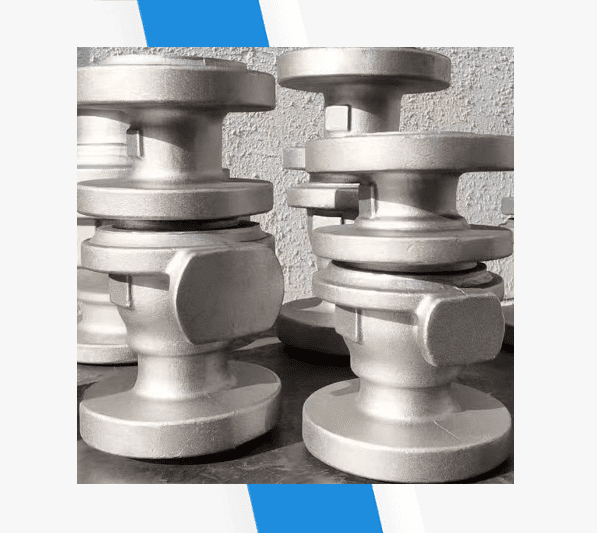
Sedelon’s High-Performance Brass Ball Valve Lineup
As a leading manufacturer of flow control solutions, Sedelon has developed a comprehensive lineup of high-performance brass ball valves designed to meet the evolving needs of modern industries and the diverse brass ball valve applications importance industrial uses outlined in our types of brass ball valves ultimate guide. Sedelon’s brass ball valves are engineered with precision, using high-quality brass alloys and advanced manufacturing techniques to ensure reliability, durability, and leak-tight ball valve shut off performance. Each valve is designed to align with the ball valve symbol standards, ensuring compatibility with industry schematics and easy integration into existing systems.
Sedelon’s brass ball valve lineup includes full-port, reduced-port, three-way, threaded, soldered, and flanged variants—covering all the types detailed in our types of brass ball valves ultimate guide—and spans a wide range of brass ball valve applications importance industrial uses from residential plumbing to light industrial processes. All valves are made from lead-free brass (DZR) for potable water applications, ensuring compliance with global safety standards. The valves feature PTFE seals for excellent chemical resistance and bubble-tight ball valve shut off, and the balls are chrome-plated for smooth operation and wear resistance—ensuring long-term reliability.
In addition to standard brass ball valves, Sedelon offers custom solutions tailored to specific industry needs. For example, their API 600 bronze (brass) ball valves are designed for chemical and oil industries, seawater service, desalination plants, and offshore platforms, offering superior corrosion resistance and durability in harsh environments—key brass ball valve applications importance industrial uses. Sedelon’s brass ball valves are also available with automated actuators, allowing for remote control and integration into smart industrial systems, while maintaining reliable ball valve shut off performance. The company’s valves are designed to align with ball valve symbol standards, ensuring easy integration into system schematics.
Sedelon’s Maintenance & Replacement Support
Sedelon understands that proper maintenance is critical for extending the service life of Ball Valves and minimizing downtime—especially for critical brass ball valve applications importance industrial uses. To support customers, Sedelon offers comprehensive maintenance and replacement services, including technical support, spare parts supply, and on-site maintenance assistance. This includes support for ball valve handle replacement, ensuring that customers can quickly restore ball valve shut off functionality and keep their systems running smoothly.
Sedelon’s team of experienced engineers provides technical guidance on valve selection, installation, and maintenance, helping customers optimize their flow control systems and select the right brass ball valve variant from our types of brass ball valves ultimate guide for their specific brass ball valve applications importance industrial uses. The company maintains a large inventory of spare parts, including handles, stems, seals, and balls, ensuring quick replacement and minimal downtime for ball valve handle replacement and other maintenance tasks. For customers with complex systems, Sedelon offers on-site maintenance services, including valve inspection, repair, and replacement, performed by certified technicians—ensuring that ball valve shut off performance is maintained.
Sedelon also provides training programs for customers, teaching them how to properly maintain and replace Ball Valves components to reduce operational costs and extend valve life. This includes step-by-step training on ball valve handle replacement, ensuring that customers can perform this essential maintenance task independently and restore ball valve shut off functionality quickly. With a focus on customer satisfaction, Sedelon is committed to providing reliable solutions and support to help customers meet their flow control needs across all brass ball valve applications importance industrial uses.
Key Industry Trends Shaping the Ball Valve Market
Technological Innovations
The Ball Valves industry is undergoing a digital transformation, with technological innovations driving efficiency, reliability, and sustainability. One of the most significant trends is the development of smart Ball Valves, which integrate IoT (Internet of Things) technology, sensors, and actuators to enable remote monitoring and control. Smart Ball Valves can collect data on flow rate, pressure, temperature, and valve position, providing real-time insights into system performance—including the status of ball valve shut off functionality. This data can be used to predict maintenance needs, detect leaks, and optimize energy efficiency, reducing operational costs and downtime. Additionally, smart Ball Valves are designed to align with modern ball valve symbol standards, ensuring compatibility with digital schematics and automated systems. These innovations are enhancing the performance of Ball Valves across all brass ball valve applications importance industrial uses and the variants detailed in our types of brass ball valves ultimate guide.
Another key innovation is the use of advanced materials and manufacturing techniques. For example, 3D printing is being used to produce complex valve components with greater precision and efficiency, reducing material waste and lead times. Advanced coatings, such as ceramic or PTFE coatings, are being applied to valve components to enhance corrosion resistance and wear resistance, extending valve life in harsh environments and maintaining reliable ball valve shut off performance. These advancements are particularly beneficial for brass ball valve applications importance industrial uses in harsh conditions, such as chemical processing and marine environments.
Automation is also a major trend in the Ball Valves industry. Automated Ball Valves, equipped with electric or pneumatic actuators, are becoming increasingly popular in industrial applications, as they allow for remote control, precise flow regulation, and integration into automated systems. This is particularly important in industries such as oil and gas, chemical processing, and water treatment—key brass ball valve applications importance industrial uses—where safety and efficiency are critical. Automated Ball Valves maintain reliable ball valve shut off performance, even in remote or hazardous locations, and their design aligns with standard ball valve symbol requirements for easy integration into system schematics.
Additionally, there is a growing focus on developing eco-friendly Ball Valves, with manufacturers using recycled materials and designing valves that reduce energy consumption and emissions. For example, low-friction seals and optimized flow designs reduce pressure drop, lowering energy costs and carbon footprints—benefiting all brass ball valve applications importance industrial uses. These eco-friendly valves maintain the same reliable ball valve shut off performance as traditional valves, making them a sustainable choice for modern industries.
Market Growth & Demand Drivers
The global Ball Valves market is experiencing steady growth, driven by several key factors. According to market reports, the global Ball Valves market was estimated at USD 12.6 billion in 2025 and is expected to grow at a CAGR of 6.2% from 2026 to 2035, reaching USD 22.8 billion by 2035. Another report projects the market to reach USD 16.23 billion by 2030, with a CAGR of 3.7% from 2025 to 2030. This growth is fueled by the increasing demand for Ball Valves across the diverse brass ball valve applications importance industrial uses outlined in our types of brass ball valves ultimate guide, as well as the need for reliable ball valve shut off functionality and compliance with ball valve symbol standards. The following demand drivers are shaping the market:
Infrastructure Development: Global infrastructure expansion, particularly in emerging economies, is driving demand for Ball Valves. Investments in water supply systems, wastewater treatment plants, energy infrastructure, and transportation networks require large quantities of Ball Valves for flow control—highlighting brass ball valve applications importance industrial uses. These systems rely on reliable ball valve shut off performance to ensure safety and efficiency, and Ball Valves are specified using standard ball valve symbol in system designs.
Oil & Gas Industry Growth: The oil and gas industry remains a major driver of Ball Valves demand, with increasing exploration and production activities, pipeline expansions, and refinery upgrades. The growing demand for natural gas and LNG (liquefied natural gas) is also driving the need for high-performance Ball Valves, particularly for low-temperature and high-pressure applications. Brass ball valves are used in low-to-medium pressure systems within this industry, providing reliable ball valve shut off and contributing to brass ball valve applications importance industrial uses in upstream and midstream operations.
Industrial Automation: The adoption of industrial automation and smart manufacturing is increasing the demand for automated Ball Valves. Industries are increasingly using automated systems to improve efficiency, reduce human error, and enhance safety, driving the need for valves that can be integrated into these systems. Automated Ball Valves maintain precise ball valve shut off control and align with ball valve symbol standards, making them ideal for automated industrial systems. This trend is boosting demand for brass ball valves across various brass ball valve applications importance industrial uses.
Water Scarcity and Environmental Regulations: Growing concerns about water scarcity and environmental protection are driving investments in water treatment and wastewater management systems, which require large quantities of Ball Valves. Strict environmental regulations, particularly regarding emissions and water pollution, are also pushing industries to upgrade their flow control systems with more reliable and efficient Ball Valves—ensuring proper ball valve shut off to prevent leaks and contamination. This is a key driver for brass ball valve applications importance industrial uses in water treatment facilities.
Regional Growth: The Asia Pacific region is the largest market for Ball Valves, accounting for 31% of global revenue in 2024, due to rapid infrastructure development and industrialization. The Middle East is expected to be the fastest-growing region, with a CAGR of 5.1% from 2025 to 2030, driven by investments in oil and gas infrastructure and water treatment systems—both key brass ball valve applications importance industrial uses. The demand for brass ball valves in these regions is fueled by their cost-effectiveness, reliable ball valve shut off performance, and suitability for the applications detailed in our types of brass ball valves ultimate guide.
Conclusion
In the end, Ball Valves with reliable shut-off performance, standard symbolic representation, complete brass valve types and convenient handle replacement are widely used in industrial scenarios. Choosing professional ball valve products and supporting maintenance services can effectively ensure the stability and efficiency of fluid control systems.
FAQs
Q1: What is the difference between a brass ball valve and a stainless steel ball valve?
A1: Brass ball valves are more affordable, easier to machine, and suitable for low-to-medium pressure applications—aligning with most brass ball valve applications importance industrial uses outlined in our types of brass ball valves ultimate guide. They offer moderate corrosion resistance, making them ideal for clean water, compressed air, and mild chemicals, and provide reliable ball valve shut off. Stainless steel ball valves are more expensive but offer superior corrosion resistance, making them suitable for high-pressure, high-temperature, and corrosive environments. Both types are represented by the standard ball valve symbol in system schematics.
Q2: How often should I maintain my brass ball valve?
A2: Brass ball valves require minimal maintenance, but it is recommended to inspect them annually for leaks, corrosion, and wear—critical for maintaining reliable ball valve shut off performance. Lubricate the valve stem and handle every 6–12 months to ensure smooth operation. If the valve is used in a harsh environment—key brass ball valve applications importance industrial uses—more frequent maintenance may be required, including checking for signs that ball valve handle replacement is needed.
Q3: Can I use a brass ball valve for potable water applications?
A3: Yes, but you must use lead-free brass ball valves to prevent lead leaching. Lead-free brass is compliant with global safety standards for potable water and is widely used in residential and commercial plumbing systems—one of the most common brass ball valve applications importance industrial uses detailed in our types of brass ball valves ultimate guide. These valves maintain reliable ball valve shut off to prevent water waste and contamination.
Q4: What is a smart ball valve, and how does it work?
A4: A smart Ball Valve integrates IoT technology, sensors, and actuators to enable remote monitoring and control. Sensors collect data on flow rate, pressure, temperature, and valve position, which is transmitted to a central system. This allows for real-time monitoring, predictive maintenance, and remote operation, improving efficiency and reducing downtime. Smart Ball Valves align with standard ball valve symbol standards and are suitable for a wide range of brass ball valve applications importance industrial uses.
Q5: How do I choose the right brass ball valve for my application?
A5: To choose the right brass ball valve, refer to our types of brass ball valves ultimate guide and consider the following factors: the type of fluid being handled, pressure and temperature requirements, pipeline diameter, end connection type, and application-specific needs—all critical for ensuring the valve meets your brass ball valve applications importance industrial uses and provides reliable ball valve shut off. Consult with a flow control expert, such as Sedelon, for personalized recommendations. Additionally, ensure the valve aligns with the standard ball valve symbol for your system schematics.
Q6: Can a brass ball valve be repaired, or should it be replaced?
A6: Many common issues with brass ball valves can be repaired by replacing the faulty component—such as ball valve handle replacement to restore ball valve shut off functionality. However, if the valve body is cracked, severely corroded, or leaking, it is recommended to replace the entire valve to ensure safety and reliability—critical for all brass ball valve applications importance industrial uses. Regular maintenance can help identify issues early, reducing the need for full valve replacement.
Q7: What does the ball valve symbol mean in engineering diagrams?
A7: The ball valve symbol is a standardized graphical representation used in P&IDs and system schematics to show the location, type, and operating status of Ball Valves. A basic symbol shows a circle with a diagonal line indicating the ball; a three-way ball valve adds extra ports. Recognizing this symbol helps engineers and technicians quickly identify valve positions, verify ball valve shut off status, and perform installation or troubleshooting efficiently.
Q8: When do I need to perform ball valve handle replacement?
A8: You need ball valve handle replacement if the handle is cracked, broken, stuck, extremely stiff, loose, or causing leakage around the stem. A damaged handle prevents proper operation and weakens ball valve shut off performance. Replacing the handle is a fast, low-cost fix that restores full function without replacing the entire valve, supporting longevity across all brass ball valve applications importance industrial uses.
Q9: What is the difference between full-port and reduced-port brass ball valves?
A9: Full-port brass ball valves have a bore matching the pipeline size for maximum flow and minimal pressure drop, ideal for high-efficiency systems. Reduced-port valves have a smaller bore, are more cost-effective, and work well for basic on-off use. Both provide reliable ball valve shut off; you can reference the types of brass ball valves ultimate guide to match the right type to your brass ball valve applications importance industrial uses.
Q10: Are brass ball valves suitable for high-pressure systems?
A10: Brass ball valves are designed and recommended for low-to-medium pressure systems only. They deliver stable ball valve shut off and long service life in water, HVAC, compressed air, and light industrial scenarios. For high-pressure, high-temperature, or highly corrosive environments, stainless steel or alloy valves are more appropriate. This pressure limit is a key point in our types of brass ball valves ultimate guide for safe selection.