



Introduction
In the demanding world of industrial processes, controlling the flow of media under extreme temperatures is a critical challenge. Whether you’re dealing with cryogenic liquids or superheated steam, a standard valve simply won’t suffice. Choosing the right valve for the job is not just about efficiency—it’s essential for safety, reliability, and preventing costly downtime.This guide will walk you through the fundamental differences between low-temperature valves and high-temperature valves, helping you understand their unique design features, key performance characteristics, and why they are engineered for their specific, extreme applications.
Understanding Low Temperature Valves
A low-temperature valve, most commonly known as a cryogenic valve, is designed to operate in extremely cold conditions, typically handling media at temperatures below -150°C (-238°F). These valves are indispensable in industries that deal with liquefied gases such as Liquefied Natural Gas (LNG), liquid oxygen, nitrogen, and hydrogen.The primary engineering challenges in this environment are material embrittlement and thermal contraction. Most metals become brittle and lose their ductility when exposed to extreme cold, which can lead to catastrophic failure. Furthermore, materials shrink as they cool, which can cause significant leakage at the stem packing or seat.
Understanding High Temperature Valves
In stark contrast, a high-temperature valve is engineered to manage media at elevated temperatures, generally above 150°C (300°F), and often much higher, sometimes exceeding 500°C (932°F). These valves are a staple in applications involving steam systems, thermal oil circuits, and hot gas pipelines in power plants, refineries, and chemical processing facilities.The main challenges in high-temperature environments are thermal expansion, material creep (the tendency of a solid material to slowly deform under constant stress and heat), and galling (a form of wear caused by adhesion between sliding surfaces). Gaskets and packing must also be able to withstand the heat without decomposing or losing their sealing properties.
Low vs High Temperature Valves: 6 Key Differences
While both types of valves are designed for extreme conditions, their engineering solutions and material choices are fundamentally different.
Temperature Range
- Low Temperature Valve: Handles temperatures from room temperature down to the cryogenic range (e.g., -196°C for liquid nitrogen).
- High Temperature Valve:Manages temperatures from room temperature up to several hundred degrees Celsius, with some specialized valves handling temperatures over 800°C.
Material Selection
- Low Temperature Valve:High-performance materials like austenitic stainless steels (e.g., 304, 316) are used because they retain their toughness and ductility at very low temperatures, preventing embrittlement.
- High Temperature Valve:High-strength, heat-resistant materials like carbon steel, alloy steels (e.g., WC6, C5), or high-grade nickel alloys are chosen to withstand heat without losing structural integrity or deforming.
Sealing and Leakage Control
- Low Temperature Valve:The main concern is leakage caused by thermal contraction. Soft seals like PTFE are used for their flexibility in the cold. A long, extended bonnet is crucial to keep the stem packing at a temperature above freezing to maintain its function.
- High Temperature Valve:The focus is on preventing seal degradation and managing thermal expansion. Metal-to-metal seating is common, and high-temperature graphite is often used for stem packing as it can withstand extreme heat.
Structural Design
- Low Temperature Valve:The defining structural feature is the extended bonnet. This design creates a thermal barrier, isolating the valve body’s cold from the packing and actuator, which operate at ambient temperatures.
- High Temperature Valve:These valves may feature finned bonnets or a simple, compact design to allow heat to dissipate away from the stem packing, protecting it from thermal damage.
Performance and Durability
- Low Temperature Valve:Performance is measured by the valve’s ability to resist brittle fracture, maintain a tight seal despite contraction, and operate smoothly without freezing.
- High Temperature Valve:Performance is judged by its resistance to material creep, galling, and its ability to maintain a tight seal despite repeated thermal expansion and contraction cycles.
Typical Applications
l Low Temperature Valve: Cryogenic plants, LNG terminals, air separation units, and any application handling liquid gases.
l High Temperature Valve: Power plants (steam systems), chemical refineries, thermal oil heating systems, and high-temperature gas pipelines.
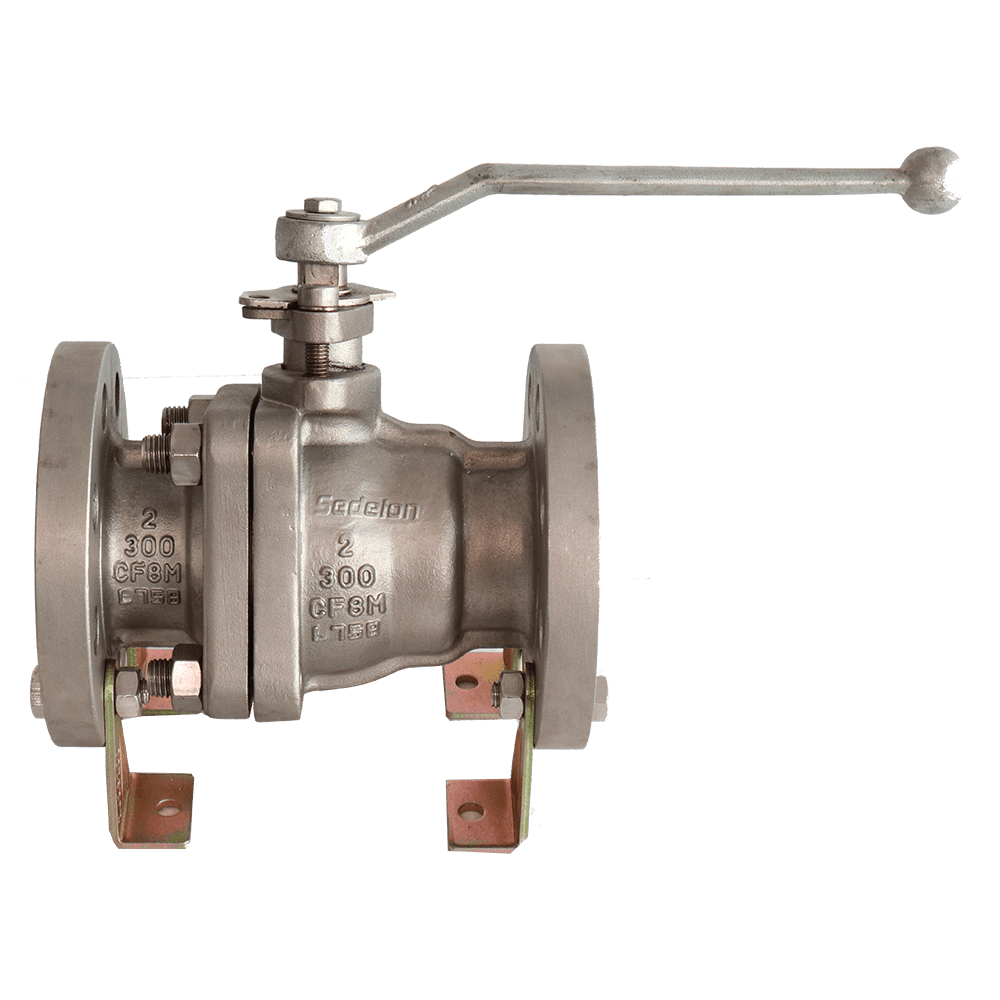
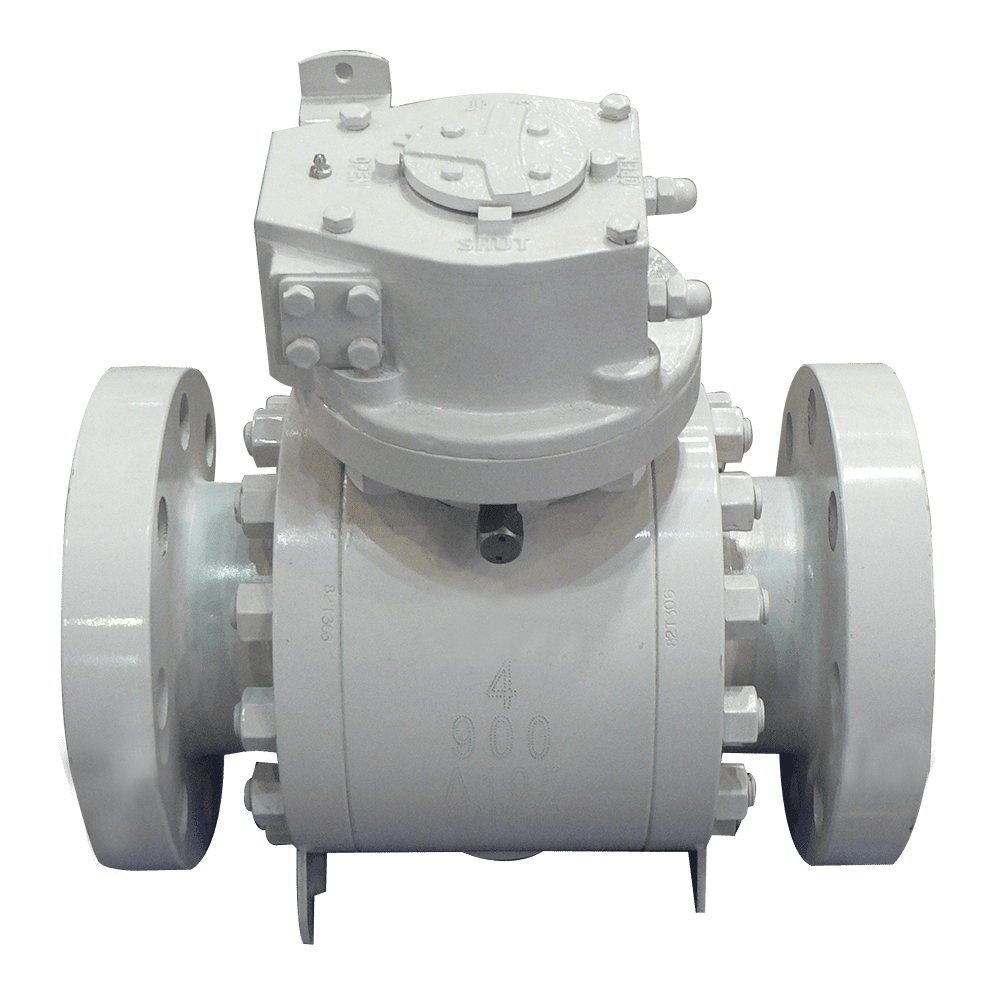
How to Choose the Right Valve for Your Temperature Conditions
Choosing the right valve is a critical decision that impacts the safety and efficiency of your entire system. Here are the key steps:
- Identify the Temperature Range:Determine the minimum and maximum operating temperatures of your fluid media.
- Understand the Pressure and Media:Consider the operating pressure, as well as the properties of the media (e.g., corrosive, abrasive).
- Consult an Expert:The complexity of extreme temperature applications makes expert consultation invaluable. A knowledgeable manufacturer can help you select the precise materials and design features required for your specific needs.
Why Choose Sedelon Industrial Valve
At Sedelon Industrial Valve, we specialize in manufacturing and supplying a wide range of valves for the most demanding applications. Our products are meticulously engineered and rigorously tested to meet the highest industry standards. We offer specialized solutions for both cryogenic and high-temperature applications, including:
- High-Quality Materials:We use only certified materials that are specifically selected for their performance in extreme conditions.
- Rigorous Testing:Our valves undergo comprehensive testing, including cryogenic testing for low-temperature valves, to ensure zero leakage and optimal performance under real-world conditions.
- Custom Solutions:We understand that every project is unique. Our team works with you to design and manufacture custom valves that perfectly match your requirements.
FAQs
What is a cryogenic valve?
A cryogenic valve is a specialized valve designed to handle very low temperatures, typically below -150°C. Its key feature is an extended bonnet that protects the valve’s sealing components from freezing.
Can I use a high-temperature valve for low-temperature applications?
Absolutely not. High-temperature valves are made from materials that would become brittle and fail catastrophically in cryogenic conditions. Always use a valve specifically rated for the temperature range of your application.
What materials are best for high-temperature steam applications?
For high-temperature steam, materials like alloy steels (e.g., WC6, WC9) are commonly used due to their strength and resistance to creep at high temperatures.
Conclusion
The difference between a low-temperature valve and a high-temperature valve is not just about their operating range—it’s a complete divergence in design philosophy, material science, and engineering principles. The wrong choice can lead to significant risks. For reliable, safe, and efficient performance, it is crucial to select a valve specifically designed for your extreme temperature conditions.
Ready to find the perfect valve for your demanding application? Contact the experts at Sedelon Industrial Valve today to learn more about our high-performance solutions.