



Introduction
In industrial fluid control, ball valves are the preferred choice for shut-off applications due to their tight sealing, low pressure drop, and quick 90-degree operation. For engineers and procurement managers, selecting the right configuration is critical to pipeline safety and long-term reliability.
As a professional manufacturer, Sedelon provides a comprehensive range of ball valves compliant with API 6D and other international standards. This guide explores the key technical differences to help you make an informed decision.
How Ball Valves Work: The Core Mechanism
A ball valve uses a hollow, perforated, and pivoting ball to control flow. When the ball’s hole is in line with the flow, the valve is open; when it is pivoted 90 degrees by the valve handle or actuator, the flow is blocked.
Advantages of the Quarter-Turn Design
The primary appeal of the ball valve lies in its speed and efficiency. Unlike gate valves that require multiple turns of a handwheel, the quarter-turn action allows for immediate shut-off in emergency situations. Furthermore, the straight-through flow path ensures that there is minimal turbulence and pressure loss, making it one of the most energy-efficient valve types for long-distance transport.
Floating vs. Trunnion: Understanding the Support System
The most fundamental choice in ball valve selection is how the ball is supported within the body.
Floating Ball Valves: Simplicity and Efficiency
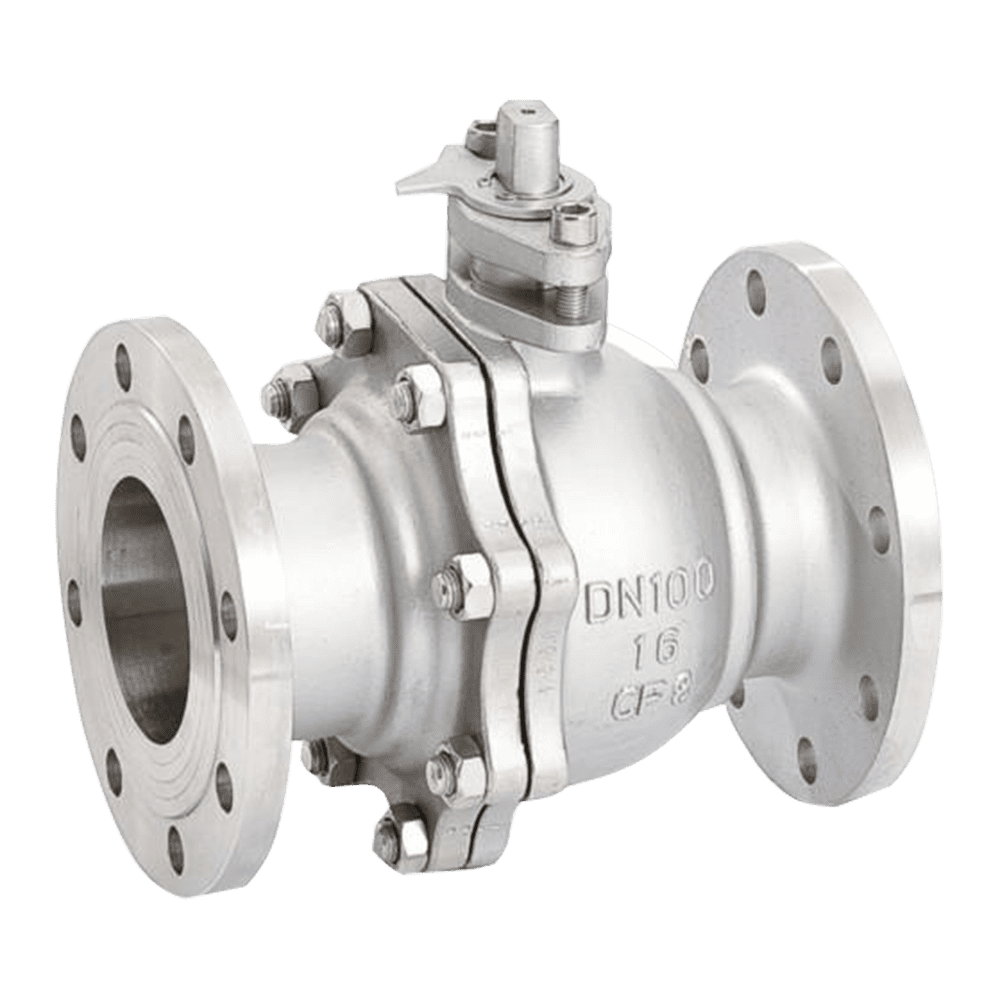
In this design, the ball is not held by a support shaft but is held by the valve seats. Under pressure, the ball “floats” slightly downstream, pressing against the downstream seat to create a bubble-tight seal. This mechanism is exceptionally reliable for smaller pipe diameters and medium-pressure systems. It is often the go-to choice for chemical processing and general industrial service where cost-effectiveness and simple maintenance are prioritized.
Trunnion Mounted Ball Valves: Engineering for High Pressure
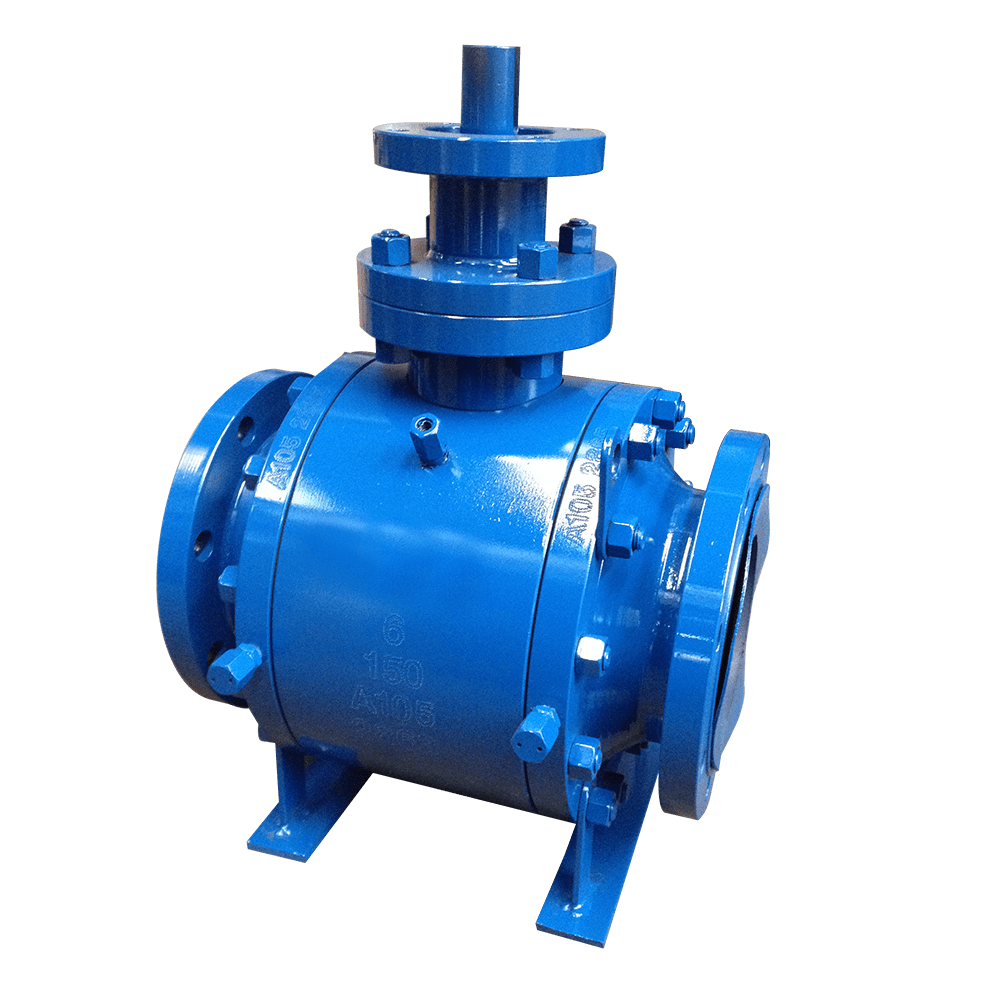
For high-pressure or large-diameter applications (typically Class 600 and above), a Trunnion Mounted design is essential. The ball is fixed by a support shaft (trunnion) at the bottom, which absorbs the pressure load from the fluid. Instead of the ball moving, the seats are spring-loaded and move against the ball to seal. This significantly reduces the operating torque, allowing for smaller, less expensive actuators even in large-scale oil and gas pipelines.
Maintenance and Accessibility: Top Entry Design
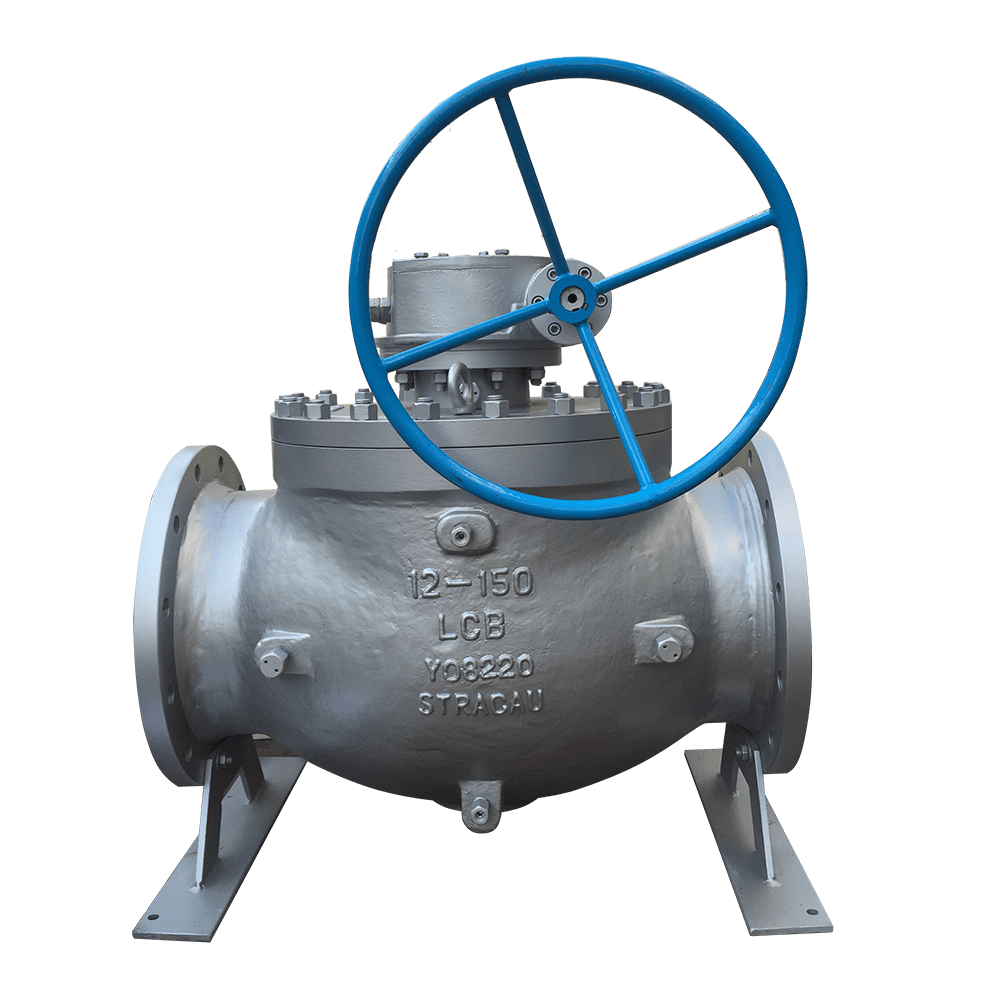
In critical infrastructure, downtime for maintenance can be extremely costly. While most valves are “Side Entry” (bolted body), the Top Entry Ball Valve offers a unique advantage.
In-Line Maintenance and Reduced Downtime
The standout feature of the Top Entry design is its accessibility. The internal components—including the ball, seats, and stem—can be accessed, inspected, or replaced simply by removing the valve bonnet from the top. Because the valve body remains welded or bolted to the pipeline during the process, it eliminates the need to deconstruct the entire line. This is a game-changer for high-pressure systems where valve removal would otherwise involve hours of hazardous labor.
Flow Optimization: Full Bore Design
Flow efficiency is another crucial factor. Sedelon’s Full Bore Ball Valves are engineered to ensure the flow path is unobstructed.

Minimal Pressure Drop and Pigging Capability
A Full Bore valve features a hole diameter equal to the pipe’s internal diameter. This design is critical for two reasons: first, it maintains a near-zero pressure drop, ensuring the pump system operates at peak efficiency. Second, it allows for “Pigging”—the process of sending cleaning and inspection tools through the pipe. For crude oil and natural gas operators, being “Pig-compatible” is a non-negotiable requirement for long-term asset integrity.
Material Selection: Ensuring Compatibility with Corrosive Media
Choosing the right body and seat materials is the first line of defense against premature valve failure.
Carbon Steel vs. Stainless Steel and Exotic Alloys
While WCB (Carbon Steel) is the industry standard for non-corrosive fluids, Sedelon offers CF8M (316 Stainless Steel) and Duplex Steel for offshore or chemical environments. Selecting the correct metallurgy prevents “Pitting” and stress corrosion cracking, extending the valve’s service life in harsh conditions.
Soft Seats vs. Metal-to-Metal Seating
Soft seats like PTFE or PEEK provide a “bubble-tight” seal, but they have temperature limitations. For high-temperature steam or abrasive slurries, we implement metal-to-metal seating with Tungsten Carbide or Chrome Carbide coating, ensuring the valve remains functional under extreme thermal stress.
Advanced Safety Features: Beyond the Standard
In the oil and gas industry, a valve is not just a flow control device; it is a safety barrier.
Fire-Safe Design (API 607/API 6FA)
In the event of a plant fire, soft seats can melt. Sedelon’s fire-safe design includes a secondary metal-to-metal seal that activates when the primary seat fails. This prevents the fluid from fueling the fire further, protecting personnel and infrastructure.
Anti-Static and Blow-out Proof Stem
Static electricity can build up during the friction of opening and closing. Our valves include internal grounding springs to discharge static, preventing sparks in explosive atmospheres. Additionally, the “Blow-out Proof” stem design ensures that the stem cannot be ejected by internal pressure, even if the packing gland is removed.
Actuation and Automation: Powering Your Flow Control
Modern industrial systems rely on automation for precision and remote monitoring.
Pneumatic, Electric, and Hydraulic Actuators
Depending on the available power source and required closing speed, ball valves can be equipped with various actuators. Pneumatic actuators are favored for their “Fail-Safe” capability, while electric actuators provide high precision for modulating services in smart factories.
SIL Ratings and Reliability
For Safety Instrumented Systems (SIS), Sedelon provides valves with SIL (Safety Integrity Level) certifications. This ensures that the valve-actuator assembly has a statistically low probability of failure on demand, which is crucial for emergency shutdown (ESD) systems.
Global Industry Applications: Where Reliability Meets Performance
Sedelon ball valves are engineered to perform across diverse and demanding sectors.
Petrochemical and Refining
From crude oil extraction to the refining process, our valves handle high-pressure hydrocarbons and volatile organic compounds (VOCs) with zero-leakage performance, helping plants meet strict environmental emission standards.
LNG and Cryogenic Service
Liquefied Natural Gas (LNG) requires valves that can operate at temperatures as low as -196°C. Our specially designed cryogenic ball valves feature extended bonnets to keep the packing away from the extreme cold, ensuring smooth operation in the global energy supply chain.
Common Connections and Port Configurations
How a valve integrates into your system is as important as how it operates internally.
Flanged, Threaded, and Welded Ends
Sedelon provides multiple end connections, including RF (Raised Face), RTJ (Ring Type Joint) for high-pressure service, and Buttweld (BW) for leak-proof permanent installations. Matching the connection type to your piping standard ensures a secure, leak-free system.
2-Way vs. Multi-Port (3-Way/4-Way)
While most ball valves are 2-way (on/off), multi-port valves are essential for diverting or mixing flow. Sedelon’s 3-way valves come in L-port and T-port configurations, allowing engineers to replace multiple 2-way valves with a single unit, saving space and reducing maintenance points.
Technical Comparison: Selecting the Right Valve
| Feature | Floating Ball Valve | Trunnion Mounted Valve | Top Entry Valve |
| Sealing Method | Ball moves to seat | Seat moves to ball | Top access design |
| Common Sizes | 1/2″ to 10″ | 2″ to 60″ | 2″ to 24″ |
| Pressure Class | Class 150 – 300 | Class 150 – 2500 | Class 150 – 1500 |
| Maintenance | Requires removal from line | Requires removal from line | In-line maintenance |
| Typical Use | Water, Gas, Chemicals | Oil & Gas Pipelines | Critical high-pressure lines |
FAQ Section
- Can ball valves be used for throttling?Generally, no. Ball valves are designed for on/off service. Using them in a partially open position can cause rapid erosion of the seats and turbulent flow that damages the ball’s surface.
- What is the difference between 2-way and 3-way ball valves?2-way valves are for simple shut-off. 3-way valves (L-port or T-port) are used for diverting or mixing flow between different ports.
- Why choose API 6D certified valves?API 6D is the gold standard for pipeline valves. Choosing an API 6D manufacturer like Sedelon ensures the product meets rigorous pressure testing and safety requirements.
Conclusion
Selecting the ideal ball valve requires balancing operating pressure, maintenance needs, and material compatibility. Whether you need the simplicity of a floating design or the robustness of a trunnion-mounted valve with advanced automation, Sedelon’s API 6D compliant solutions ensure long-term safety and performance in the most demanding industrial environments.