When selecting the right stainless steel check valve for your system, it’s important to consider the application, valve type, pressure rating, and material durability. The right check valve will ensure proper backflow prevention, enhanced system efficiency, and longevity. In this guide, we will explore key factors to help you choose the best stainless steel check valve for your specific needs.
What Are Stainless Steel Check Valves?
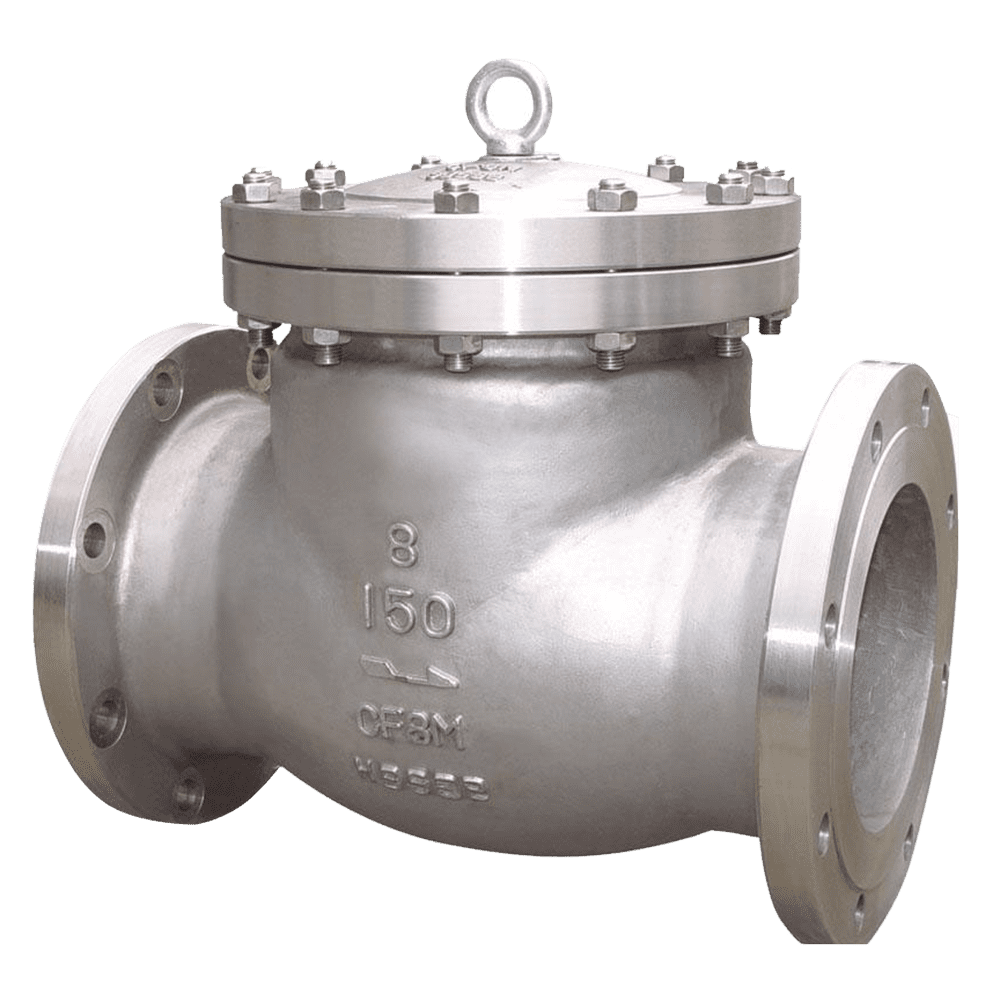
Stainless steel check valves are devices designed to allow fluid to flow in one direction while preventing reverse flow, or backflow. These valves are used in a variety of systems, including water, oil, gas, and chemical pipelines, to maintain flow direction and protect the system from damage. Stainless steel is often chosen for its resistance to corrosion and strength, making it ideal for demanding environments.
Types of Stainless Steel Check Valves
There are several types of stainless steel check valves, each suited for different applications. Below are the most common types:
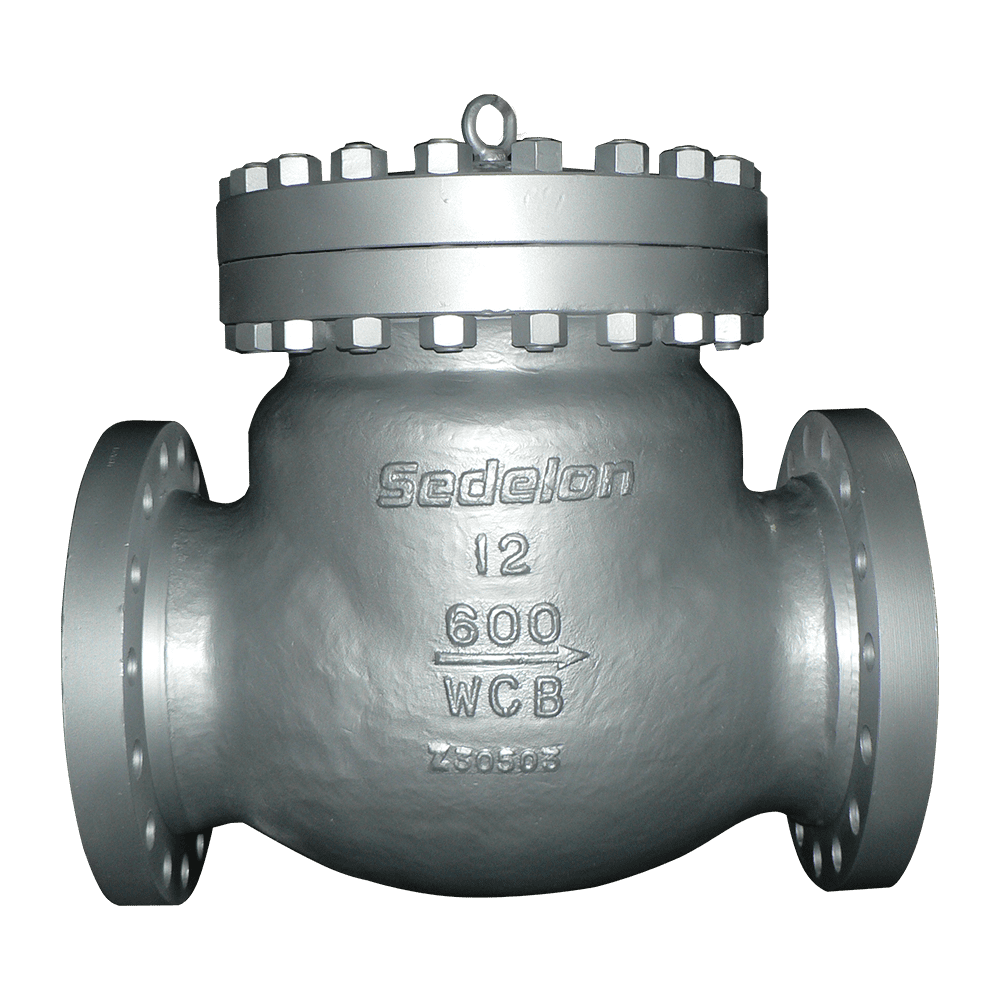
Swing Check Valves
Swing check valves feature a disc that swings open when fluid flows in the correct direction. They are commonly used in low-pressure systems and are ideal for applications where reverse flow prevention is essential.
Disadvantages: Less efficient in high-pressure systems
Ball Check Valves
Ball check valves use a ball to block reverse flow. They are generally used in smaller systems and offer quick sealing.
Advantages: Compact, quick response
Disadvantages: Less suitable for larger pipelines with high pressure
Spring-Loaded Check Valves
Spring-loaded check valves use a spring to push the valve into a closed position when no flow is present. This helps maintain tighter seals and prevent backflow effectively in both low and high-pressure systems.
Advantages: Versatile, efficient for high-pressure systems
Disadvantages: Requires regular maintenance to ensure proper spring tension
Key Factors to Consider When Choosing the Right Stainless Steel Check Valve
Application Requirements
The application of your system is the primary factor in selecting the right check valve. Consider the type of fluid, the system’s pressure, and the required flow rate. For example, a high-pressure gas system may require a different type of valve than a water distribution system.
Type of Check Valve
The type of check valve should match your system’s needs. Swing check valves are good for low-pressure systems, while spring-loaded and ball check valves perform better under higher pressure.
Pressure Rating and Size
Make sure the valve’s pressure rating matches your system’s operating pressure. Also, check that the valve size is appropriate for your pipeline diameter to ensure a good fit.
Material and Durability
Stainless steel is preferred for its resistance to corrosion, especially in industrial and chemical applications. Ensure that the valve material is compatible with your system’s conditions, including temperature and chemical exposure.
Advantages of Stainless Steel Check Valves Over Other Materials
Corrosion Resistance: Stainless steel’s ability to resist corrosion makes it ideal for use in harsh environments, such as those with chemicals or high humidity.
Strength and Durability: Stainless steel valves are highly durable, providing long-lasting performance even in high-pressure applications.
Cleanliness: Stainless steel is easy to clean and maintain, making it ideal for systems requiring high levels of hygiene, such as in the food and pharmaceutical industries.
Choosing the Best Stainless Steel Check Valve Material
Not all stainless steel check valves are created equal. The choice of material should be based on the environment in which the valve will be used. For example, a valve made from 304 stainless steel may be sufficient for most general applications, while 316 stainless steel may be better for more aggressive chemical environments due to its superior corrosion resistance.
How Stainless Steel Check Valves Prevent Backflow
Stainless steel check valves work by using one-way mechanisms such as a disc or ball that moves to allow fluid to flow in the desired direction. When the fluid stops or reverses direction, the valve automatically closes to prevent backflow. This ensures that the fluid only flows in the intended direction, protecting your system from contamination or damage.
Maintenance and Lifespan of Stainless Steel Check Valves
Regular Maintenance Tips
Inspect the valve for any signs of wear or damage regularly.
Ensure that the sealing mechanism is functioning properly.
Clean the valve periodically to remove any debris or build-up that could affect its performance.
How to Extend Valve Lifespan
Install the check valve in areas where it will not be exposed to extreme conditions beyond its rating.
Ensure proper flow direction and avoid shock loading, which can damage the valve over time.
FAQs
Q:How do I choose the right stainless steel check valve for my system?
Consider your system’s pressure, the type of fluid, flow rate, and the environment. Match the check valve type to your system’s needs for optimal performance.
Q:What factors should I consider when selecting a stainless steel check valve?
Application requirements, valve type, pressure rating, size, and material are crucial factors to consider when choosing the right check valve.
Q:How do stainless steel check valves prevent backflow in pipelines?
These valves use one-way mechanisms like a disc or ball that closes automatically when fluid flows in the opposite direction, preventing backflow.
Q:What are the advantages of stainless steel check valves over other materials?
Stainless steel check valves offer superior corrosion resistance, strength, durability, and are easy to maintain, making them ideal for industrial and chemical systems.
Q:What is the lifespan of stainless steel check valves?
With proper maintenance, stainless steel check valves can last for many years, typically between 10 to 20 years, depending on application conditions.
Conclusion
Choosing the right stainless steel check valve for your system is essential for maintaining efficiency and protecting against backflow. Consider the application requirements, pressure rating, material, and valve type before making a decision. At Sedelon, we provide high-quality stainless steel check valves designed for durability and performance. Contact us today to find the right valve for your system.