



If you’re looking to optimize your pipeline operations, understanding an API 6D ball valve is crucial. These valves are engineered for high-performance applications, ensuring reliability, safety, and efficiency in fluid control. Let’s dive into what makes them indispensable for your operations.
What is an API 6D Ball Valve?
Definition and Purpose
An API 6D ball valve is a type of valve specifically designed according to the American Petroleum Institute (API) standards. Its primary role is to provide tight shut-off, allowing you to control the flow of liquids or gases in pipelines efficiently. Compared to standard ball valves, the API 6D variant meets stringent pressure and temperature requirements, making it ideal for demanding industrial settings.
Key Features
- High-pressure tolerance suitable for upstream, midstream, and downstream operations.
- Full bore design minimizes pressure drop and allows pigging in pipelines.
- Durable construction with materials like stainless steel, carbon steel, and alloy options.
- Reliable sealing mechanisms ensure leak-proof performance.
- API 6D certification guarantees compliance with industry standards.
- Versatility for oil, gas, and chemical applications.
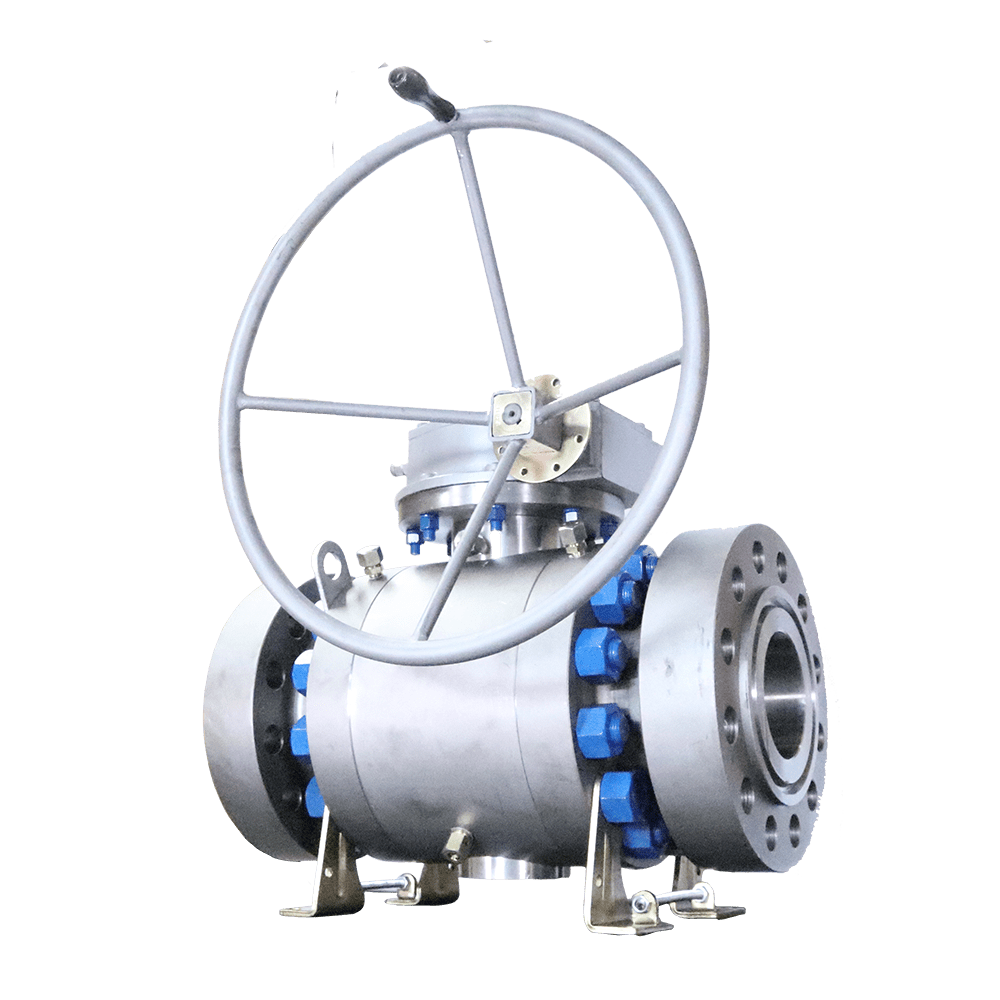
Design and Construction
Components of an API 6D Ball Valve
An API 6D ball valve typically consists of the following parts:
| Component | Description | Material Options | Functionality | Notes |
|---|---|---|---|---|
| Body | Outer shell housing the valve | Carbon steel, SS | Provides structural integrity | Can be flanged, butt-weld, or threaded |
| Ball | Spherical disc controlling flow | Stainless steel | Rotates to open/close flow | Polished for tight sealing |
| Seat | Supports the ball for sealing | PTFE, PEEK, metal | Ensures leak-proof closure | Replaceable |
| Stem | Connects actuator to ball | Stainless steel | Transfers torque | Can be top-entry or side-entry |
| Actuator | Manual, pneumatic, or electric operation | Various | Enables remote operation | Optional |
| Gaskets/O-Rings | Seal interfaces between components | Elastomer, PTFE | Prevents leakage | Temperature-specific materials |
How It Works
When you turn the handle or actuator, the ball rotates 90 degrees, opening or closing the passage. The full-bore design ensures minimal pressure loss, while the seat and stem assemblies maintain integrity under high pressure.
Construction Benefits
- High durability in extreme temperatures.
- Corrosion resistance in aggressive fluids.
- Ease of maintenance due to modular design.
Applications of API 6D Ball Valves
Where They Shine
These valves are versatile but particularly excel in:
- Oil and gas pipelines, both upstream and downstream
- Chemical and petrochemical plants
- High-pressure steam and water systems
- LNG facilities
For example, one refinery reported that replacing traditional gate valves with API 6D ball valves reduced maintenance downtime by 30%, while also improving flow control efficiency.
Advantages Over Other Valves
- Faster operation compared to gate or globe valves
- Reduced leakage risk due to tight sealing
- Full-bore design enables pigging without interruption
- Handles high pressure and high temperature seamlessly
Installation and Maintenance
Installation Tips
- Ensure proper alignment during flanged or welded installation
- Avoid excessive torque when tightening bolts
- Confirm the actuator is calibrated to match operational requirements
Maintenance Guidelines
- Inspect seats and seals regularly for wear
- Lubricate stem and ball components as needed
- Replace gaskets to prevent leakage during high-pressure operation
Case Study
A midstream gas pipeline in Texas integrated Sedelon’s API 6D ball valve and reported improved operational safety and reduced emergency shutdowns over a 12-month period.
Selection Criteria
Factors to Consider
When choosing an API 6D ball valve, consider:
- Pressure and temperature ratings aligned with your pipeline
- Material compatibility with the fluid
- Size and flow capacity matching operational needs
- Actuation options for automation or manual control
- Compliance certifications to meet industry standards
Comparative Table
| Parameter | Importance | Recommendation |
|---|---|---|
| Pressure Rating | High | API 6D certified |
| Material | Corrosion resistance | Stainless steel or alloy |
| Size | Flow efficiency | Full bore |
| Actuation | Manual vs. automated | Depends on system needs |
| Certification | Compliance assurance | API 6D, ISO standards |
Why Sedelon API 6D Ball Valves?
Sedelon provides a range of API 6D ball valves built for reliability and performance. Using premium materials and strict quality controls, their valves ensure your system operates safely and efficiently. Plus, their team supports seamless integration, helping you choose the right valve based on specific operational requirements.
Benefits of Sedelon Valves
- Consistent high-pressure handling
- Precision-engineered sealing surfaces
- Global compliance and quality assurance
- Reduced downtime due to robust design
- Easy customization for special pipeline needs
Conclusion
Choosing the right API 6D ball valve can transform your pipeline operations, offering superior flow control, safety, and efficiency. With Sedelon’s expertise and certified valves, you can ensure long-term operational reliability while minimizing maintenance costs. Check out Sedelon API 6D ball valves to enhance your system today and experience the difference in performance and durability.
FAQs
What is the maximum pressure an API 6D ball valve can handle?
API 6D ball valves are designed to handle high-pressure applications, often up to 2500 psi or higher, depending on size and material.
Can API 6D ball valves be used for corrosive fluids?
Yes, provided you select the right material, such as stainless steel or alloy, compatible with the fluid.
Are these valves suitable for automated systems?
Absolutely. API 6D valves can be equipped with pneumatic or electric actuators for automation.
How often should maintenance be performed?
Inspection of seats, seals, and lubrication should occur at least annually or based on operational hours and fluid type.
What are the advantages over gate valves?
API 6D ball valves offer faster operation, tighter sealing, reduced leakage, and full-bore designs suitable for pigging.