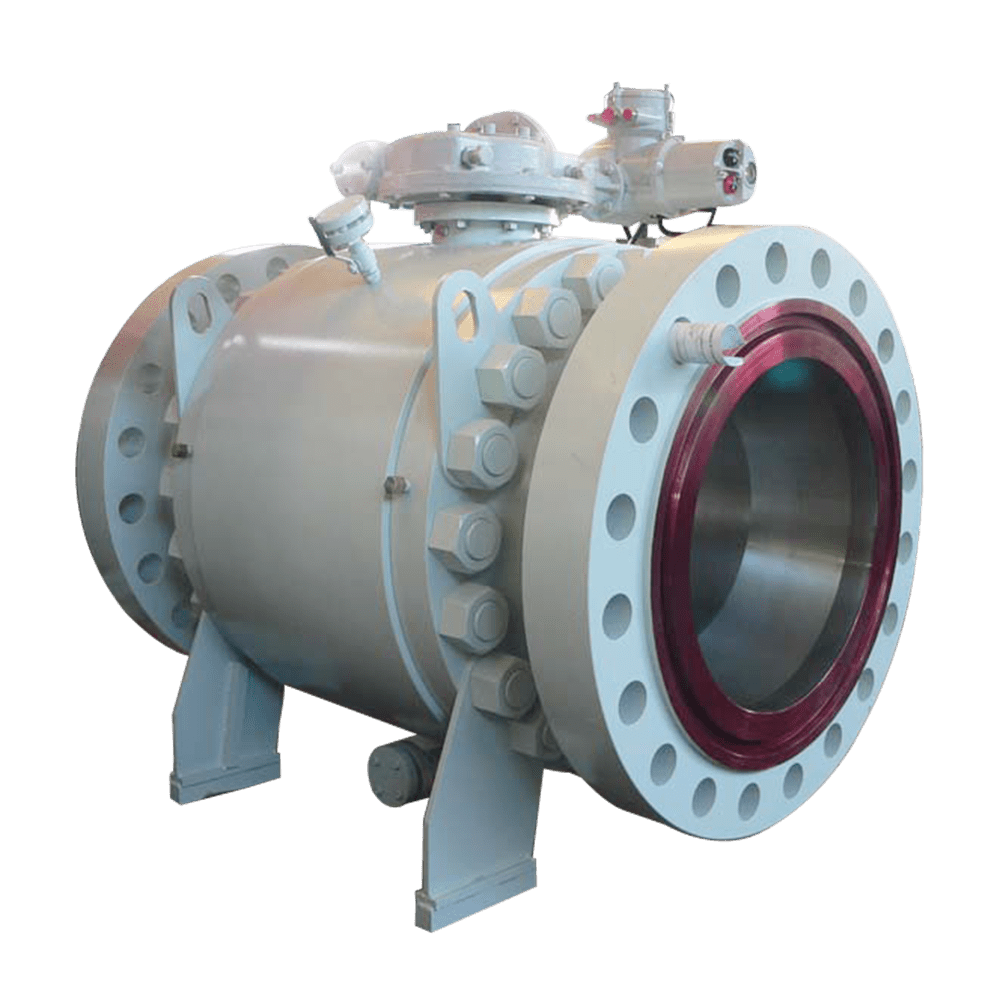
When you operate high-pressure industrial systems, choosing the right valve directly impacts safety, efficiency, and long-term reliability. Cast steel ball valves stand out for their strength, sealing performance, and durability. Understanding why they outperform many alternatives helps you protect your system, reduce maintenance, and ensure stable operation under extreme conditions.
What Are Cast Steel Ball Valves?
Cast steel ball valves are flow control devices manufactured from high-strength cast steel materials such as WCB, WC6, or WC9. They use a rotating ball with a central bore to allow or block flow. When you turn the valve 90 degrees, the ball either aligns with the pipeline for full flow or blocks it completely for tight shutoff.
These valves are designed to withstand high pressure, high temperature, and harsh industrial environments.
Why High-Pressure Systems Require Stronger Valve Materials
In high-pressure pipelines, weak valve bodies can crack, deform, or leak over time. You need valves that can:
Handle extreme pressure without distortion
Maintain tight sealing under thermal expansion
Resist corrosion and mechanical stress
Operate reliably during frequent cycling
Cast steel offers superior mechanical strength compared to brass, plastic, or standard carbon steel alternatives.
Key Advantages of Cast Steel Ball Valves for High-Pressure Applications
Exceptional Pressure Resistance
Cast steel construction allows these valves to perform safely under very high working pressures without compromising structural integrity.
Tight Sealing Performance
Precision-machined balls and high-quality seats ensure zero or near-zero leakage, even under pressure surges.
Long Service Life
You benefit from reduced wear, less deformation, and longer operational cycles compared to lighter valve materials.
High Temperature Tolerance
Cast steel handles elevated temperatures common in steam, oil, and chemical systems.
Low Maintenance Requirements
Their robust design minimizes failures, downtime, and replacement frequency.
Typical High-Pressure Applications for Cast Steel Ball Valves
Oil and gas pipelines
Steam systems and power plants
Petrochemical processing
High-pressure water and hydraulic systems
Industrial manufacturing lines
If your system operates under demanding pressure conditions, cast steel ball valves provide reliability you can trust.
Cast Steel Ball Valves vs Other Valve Materials
Feature
Cast Steel Ball Valves
Brass / Plastic Valves
Standard Carbon Steel
Pressure rating
Very high
Low to medium
Medium
Durability
Excellent
Limited
Moderate
Temperature resistance
High
Low
Medium
Leakage risk
Very low
Higher
Medium
Industrial suitability
Excellent
Poor
Fair
Summary:
If you need strength, reliability, and long-term performance, cast steel clearly outperforms lighter materials in high-pressure systems.
How to Choose the Right Cast Steel Ball Valve for Your System
When selecting a valve, you should consider:
Maximum working pressure and temperature
Media type (steam, oil, chemicals, gas)
Valve size and connection type
Seat materials for sealing performance
Operation method (manual, pneumatic, electric)
Choosing the right specifications ensures optimal performance and safety.
FAQs
Q: Are cast steel ball valves suitable for extreme pressure conditions?
Yes. They are specifically designed for high-pressure and high-temperature industrial systems.
Q: How long do cast steel ball valves typically last?
With proper installation and maintenance, they can last many years even under demanding conditions.
Q: Can cast steel ball valves be used for steam systems?
Absolutely. Their temperature and pressure resistance makes them ideal for steam applications.
Q: Do cast steel ball valves require frequent maintenance?
No. Their robust design reduces wear and leakage, lowering maintenance needs.
Q: Are cast steel valves more expensive than other materials?
They have a higher initial cost but offer lower long-term costs due to durability and reliability.
Conclusion
If you want dependable performance in high-pressure environments, cast steel ball valves are one of the best solutions available. Their strength, tight sealing, and long service life make them ideal for critical industrial systems where failure is not an option. With sedelon cast steel ball valves, you gain durability, safety, and efficiency designed for demanding pressure applications.