



Introduction
Valves play a crucial role in controlling and regulating the flow of fluids in industrial systems. Among various materials, stainless steel stands out due to its corrosion resistance, strength, and reliability. It is widely used in demanding industries such as oil and gas, chemical processing, food and beverage, and water treatment.
Why Stainless Steel Is Key in Valve Design
Material Characteristics
Stainless steel’s unique composition of chromium and nickel provides strong protection against rust, oxidation, and corrosive chemicals. It retains mechanical strength under high pressure and temperature, ensuring long-lasting performance even in harsh conditions.
Stainless Steel Grades for Different Conditions
Different grades of stainless steel, such as SS304, SS316, and SS316L, are designed to handle specific environmental challenges. For example, SS316L, with added molybdenum, offers superior resistance to chlorides, making it ideal for seawater or chemical applications.
Design Principles Behind Stainless Steel Valves
Structural Reinforcement
Stainless steel valves are built with reinforced bodies that can withstand high mechanical stress. Forged stainless steel valves, in particular, are preferred for high-pressure systems.
Sealing and Surface Treatment
Precision-machined sealing seats and smooth internal surfaces reduce leakage and friction, improving overall flow efficiency and extending service life.
Precision Flow and Control Optimization
High-quality stainless steel valves are engineered for accurate flow control, which is essential in applications requiring purity, such as pharmaceuticals and sanitary systems.
Common Types and Applications of Stainless Steel Valves
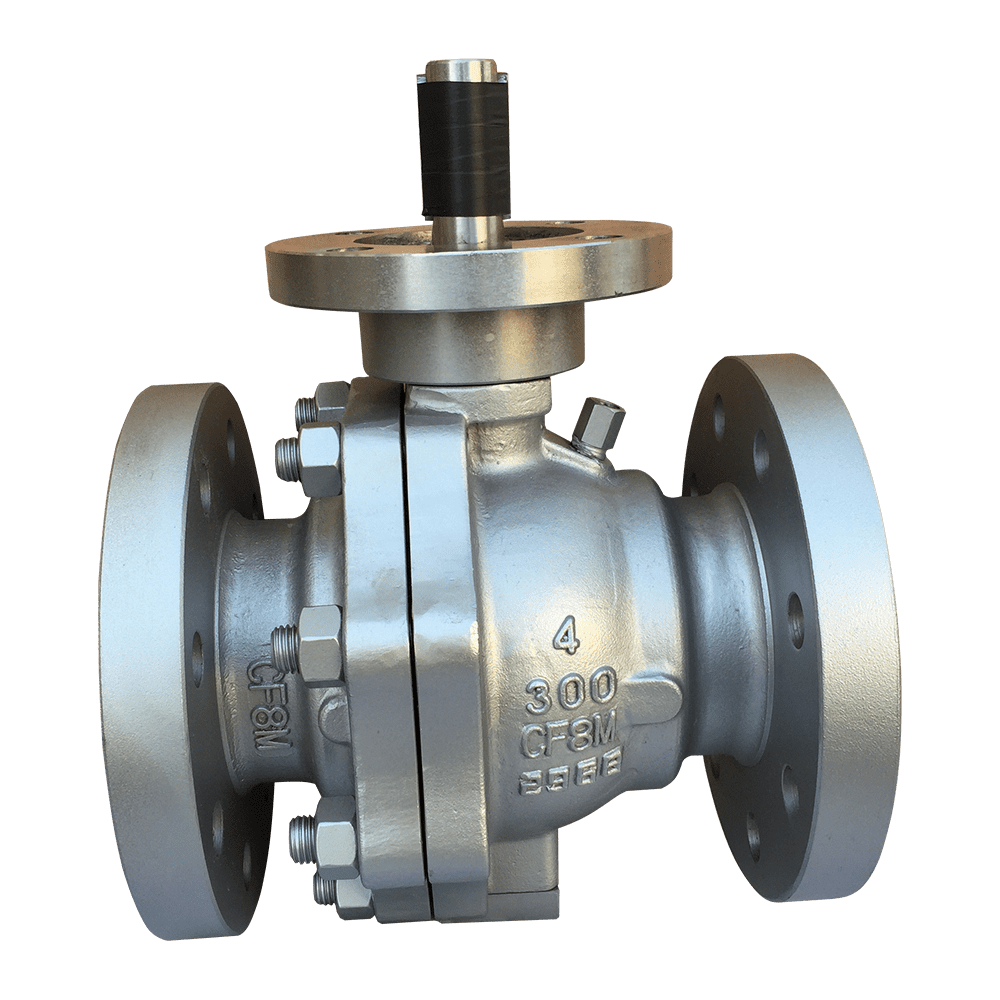
Stainless Steel Ball Valve
Easy to operate and designed for tight shutoff.
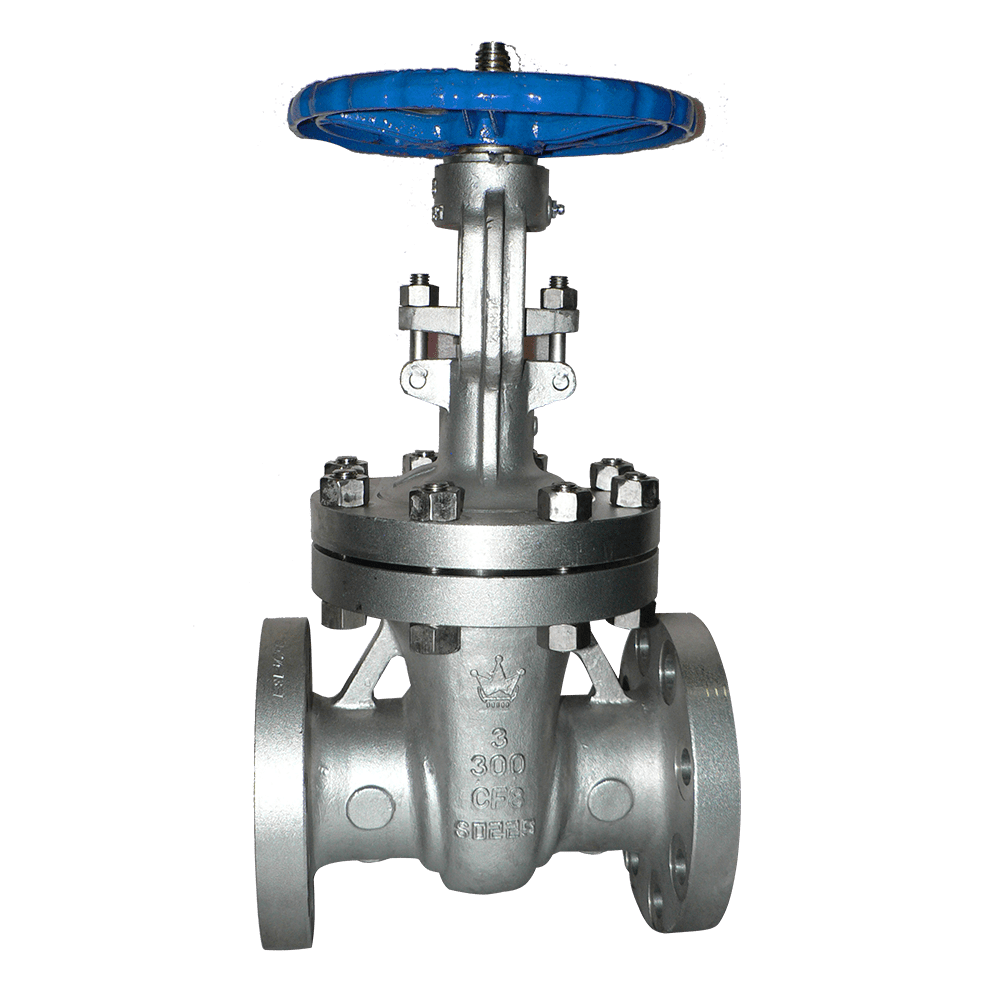
Stainless Steel Gate Valve
Features low flow resistance and full-bore design.
Stainless Steel Check Valve
Prevents reverse flow, protecting pumps and downstream equipment.

Innovation and Sustainability in Valve Design
Modern stainless steel valves integrate low-emission packing, modular maintenance structures, and eco-friendly manufacturing.
Sedelon’s valve series is certified under ISO 15848-1 for fugitive emission control and CE/PED for safety and quality compliance — ensuring reliable operation with a sustainable approach.
FAQ
Are stainless steel valves suitable for seawater applications?
Yes. Grades like SS316/316L perform exceptionally well in chloride-rich and marine environments.
What industries use stainless steel valves most commonly?
Oil & gas, petrochemical, chemical, food & beverage, and water treatment industries.
Conclusion
Stainless steel valves are specifically designed to meet the highest demands for corrosion resistance, mechanical strength, and operational precision.
With their superior structure and sealing technology, they form the backbone of modern fluid control systems.
Explore Sedelon’s stainless steel valve range — from ball to gate to check valves — each engineered for performance, durability, and safety.
Visit www.sedelon.com to discover the most suitable stainless steel valve solutions for your application.