



Introduction
Selecting the right valve material is critical when operating in industries exposed to corrosive environments, such as seawater. Corrosion can lead to valve failure, downtime, and increased maintenance costs. This guide will walk you through the material options available for valves used in seawater and corrosive environments, ensuring that your system remains reliable and durable.
Challenges in Corrosion / Seawater Environments
Seawater is a highly corrosive substance, primarily due to its salt content. The constant exposure of valves to seawater, combined with environmental factors like air and temperature variations, accelerates the corrosion process. The challenge lies in selecting materials that resist these conditions and offer long-term durability.
Additionally, factors such as pressure, temperature, and chemical exposure (e.g., chlorine or sulfur) also need to be considered when choosing the appropriate valve material.
Valve Material Selection Guide
When selecting valve materials for corrosive environments like seawater, it’s essential to choose materials that can handle prolonged exposure without degrading in performance.
Stainless Steel
Stainless steel is the most commonly used material for seawater valves due to its resistance to saltwater corrosion. Grades like 316 and 904L are widely preferred for their durability and strength under harsh conditions.
Alloy Steel & Nickel-based Alloys
Alloy steels, including duplex stainless steel and nickel-based alloys like Inconel, provide excellent resistance to corrosion, particularly in highly acidic or chloride-rich environments.
Plastic & Composite Materials
For low-pressure applications, plastic and composite materials such as PVC and CPVC can offer an affordable, corrosion-resistant solution. However, these materials are not as durable as metals and should only be used in non-extreme conditions.
Valve Types & Application Recommendations
Different valve types are suited for various applications. Choosing the right valve type is just as important as selecting the right material.
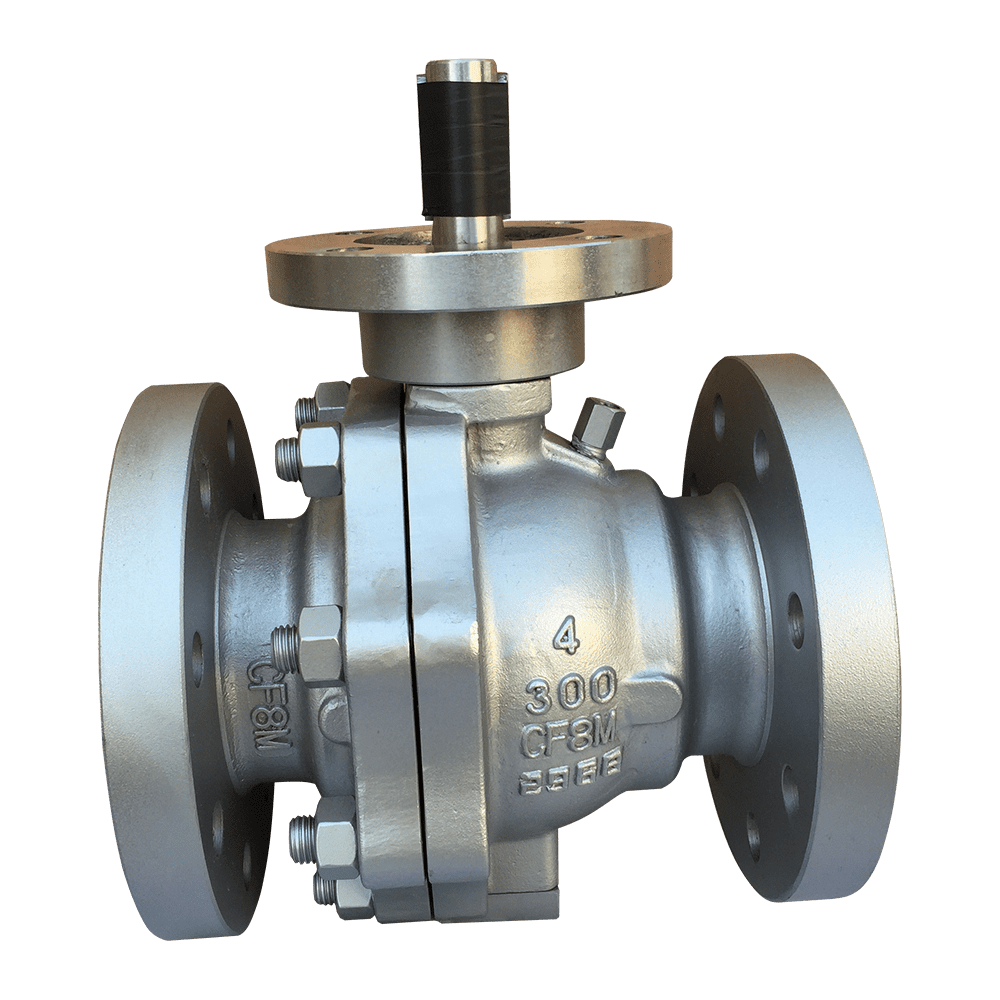
Ball Valve
Ball valves are widely used for flow control in both industrial and marine systems. Stainless steel or alloy steel ball valves are ideal for seawater applications, offering long-lasting performance and reliability.
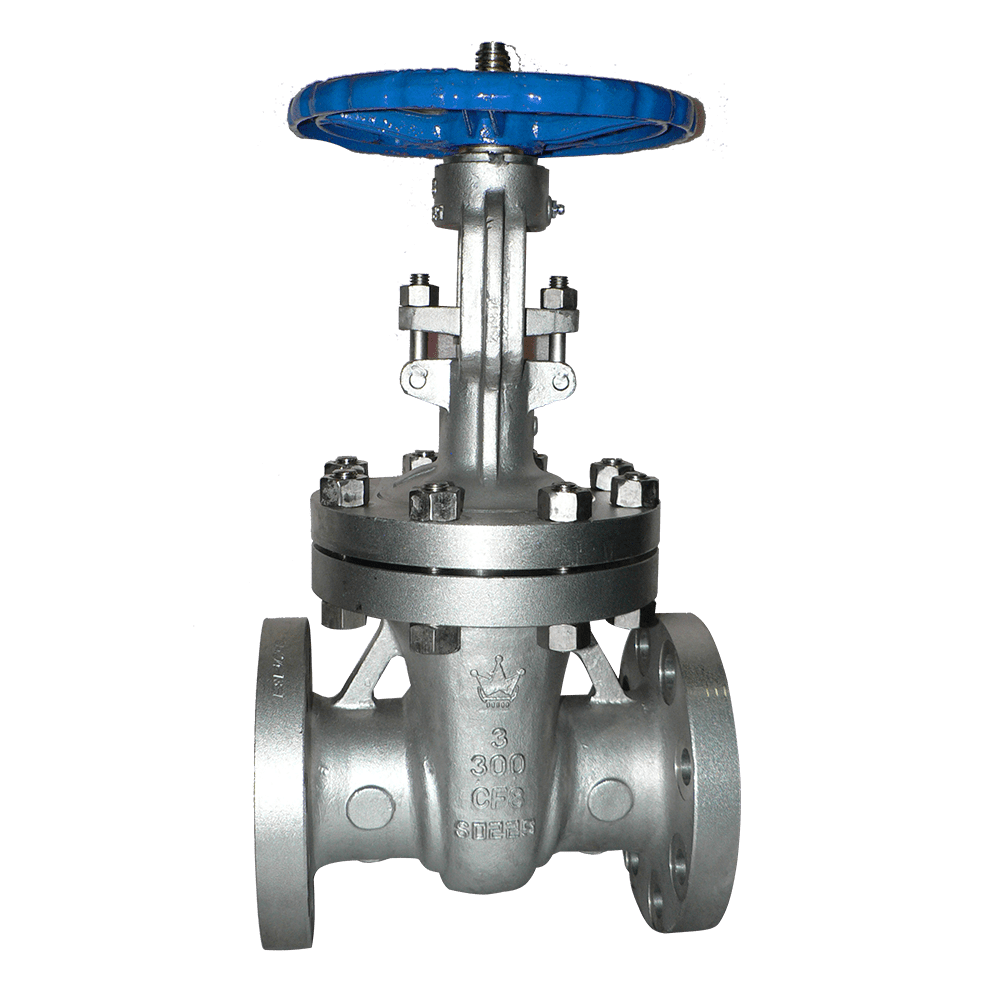
Gate Valve
Gate valves are used for flow control in pipelines. Selecting a corrosion-resistant material, such as stainless steel, is critical for ensuring the valve’s longevity in seawater environments.
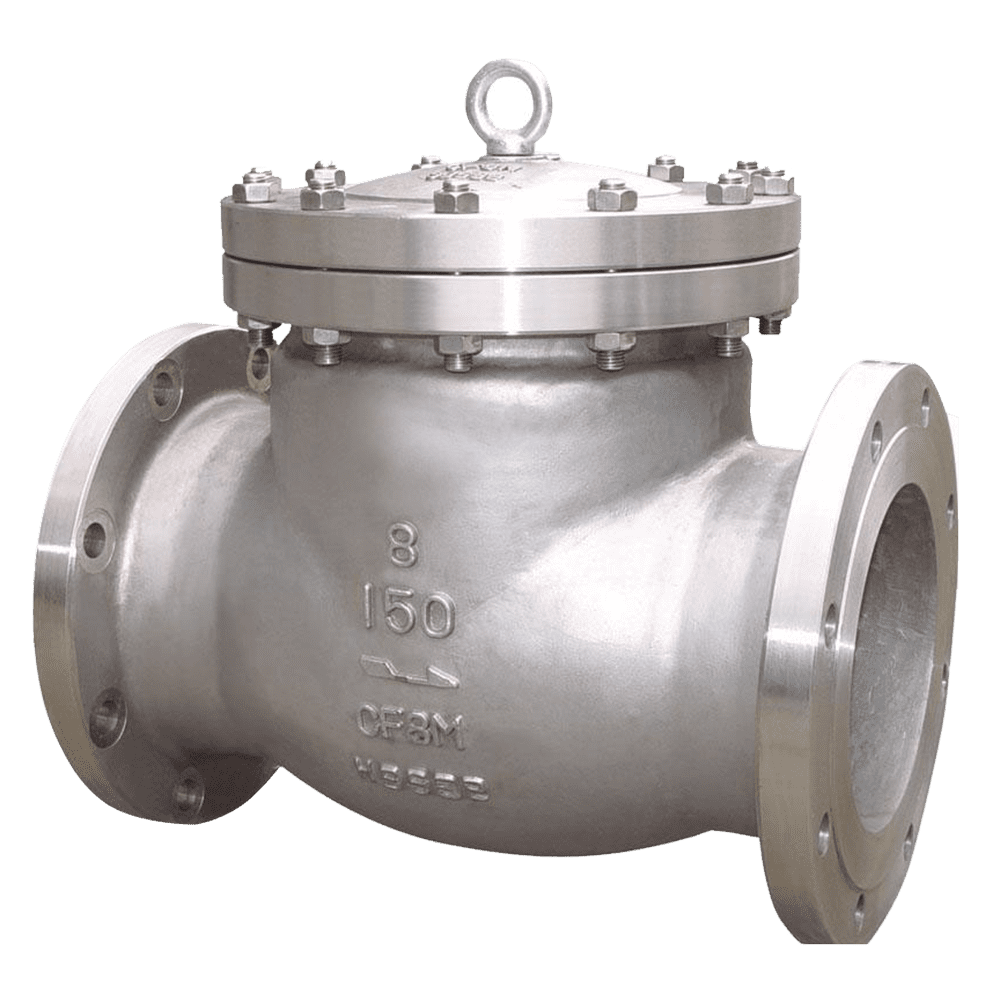
Check Valve
Check valves are essential for preventing backflow in fluid systems. Corrosion-resistant materials such as stainless steel and nickel alloys ensure that check valves maintain integrity in seawater systems.
Selection Tips & Maintenance
-
Choose materials with excellent corrosion resistance.
-
Consider environmental conditions like temperature and pressure.
-
Regular maintenance and inspection are crucial for preventing corrosion.
-
Apply protective coatings to extend the lifespan of your valves.
FAQ
How do I choose the best valve material for my application?
The best material depends on factors such as fluid type, temperature, pressure, and chemical exposure. For seawater, stainless steel and alloys are typically ideal.
Can plastic valves be used in seawater?
Plastic valves are suitable for low-pressure applications, but for high-pressure or extreme conditions, metal valves are more reliable.
How can I reduce corrosion in my valves?
Using corrosion-resistant materials, conducting routine maintenance, and applying protective coatings can significantly extend valve life.
Conclusion
Choosing the right valve material for seawater applications is vital for ensuring your system operates smoothly without costly downtime. If you’re ready to invest in high-performance, corrosion-resistant valves, explore our product offerings designed specifically for demanding environments. Visit our website to learn more and find the best solutions for your needs!