When selecting industrial valves, understanding the differences between valve standards is crucial to ensuring you choose the right product for your needs. API and DIN valves are two prominent standards in the valve industry. In this article, we will break down their key differences, helping you make an informed decision for your next valve purchase.
What are API and DIN Valves?
API Valves
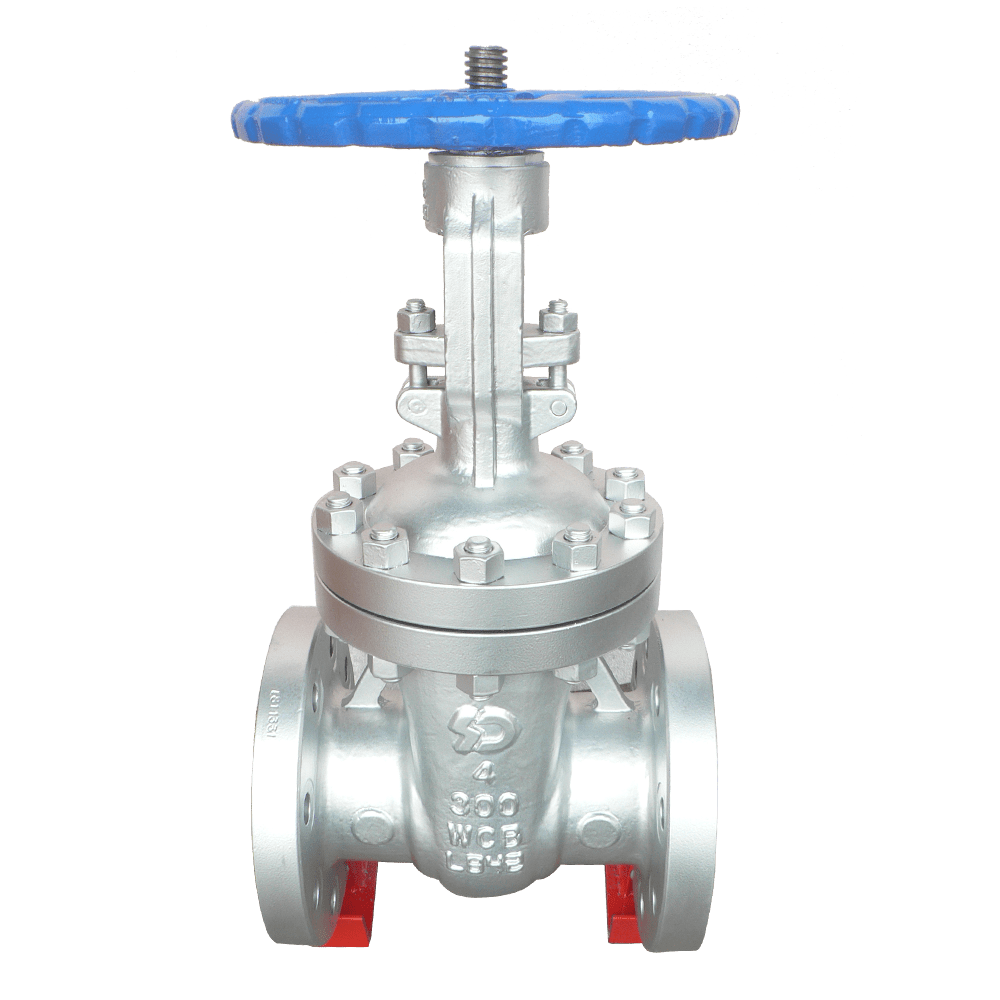
API valves are designed according to the API (American Petroleum Institute) standard. These valves are typically used in industries that require high-performance valves capable of handling extreme pressures and temperatures, such as oil, gas, and petrochemical sectors. API standards are commonly associated with API 6D and API 600, which offer rigorous testing and reliability certifications.
DIN Valves
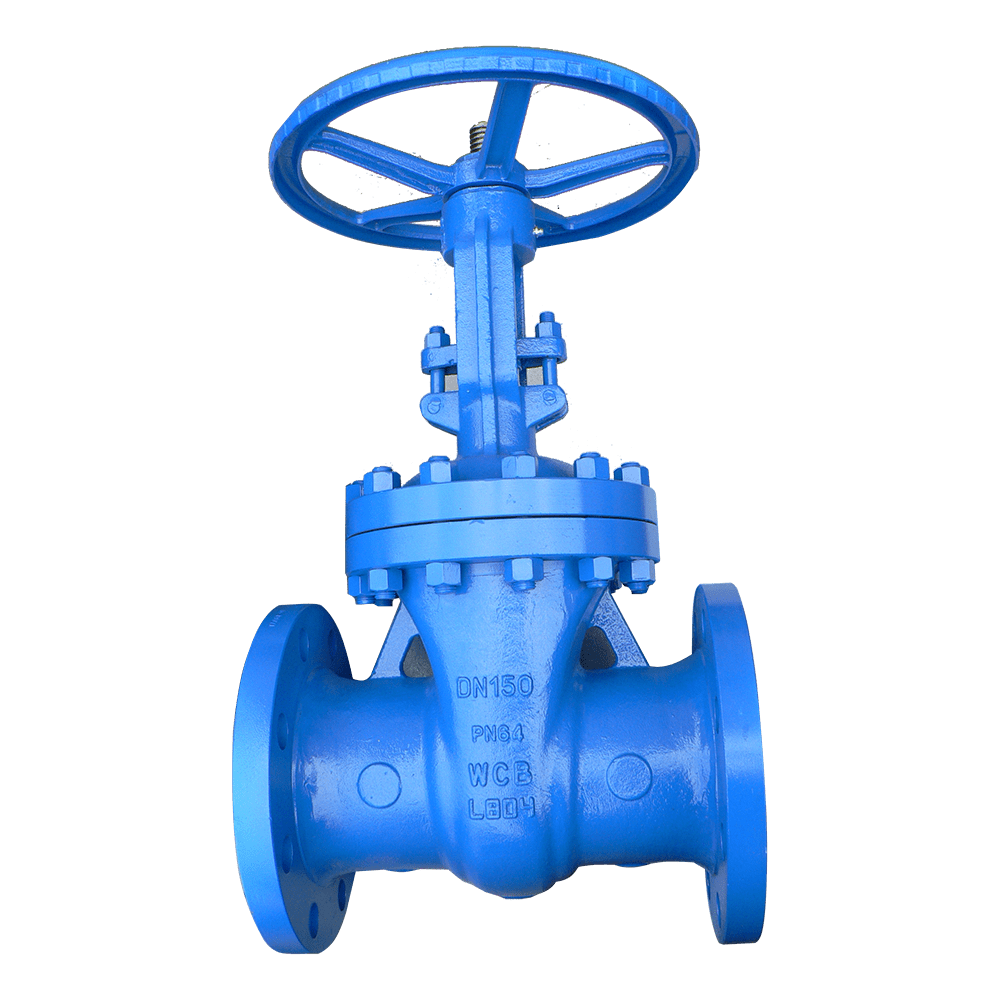
DIN valves, on the other hand, are manufactured based on the DIN (Deutsches Institut für Normung) standards. This is a European valve standard that is widely used in industries such as chemical processing, water treatment, and general industrial applications. DIN valves are known for their precision engineering, robust design, and versatility across various industrial sectors.
API vs DIN: Key Differences
Aspect
API Valves
DIN Valves
Standard Origin
American Petroleum Institute (API)
Deutsches Institut für Normung (DIN)
Primary Use
Oil, Gas, Petrochemical
Chemical, Water, General Industrial
Pressure and Temperature Ratings
Higher performance, extreme conditions
Versatile for various applications
Certifications
API certifications (e.g., API 6D, API 600)
DIN certifications (e.g., DIN 3352, DIN 3230)
Design Philosophy
Focus on strength and high pressure
Precision engineering and flexibility
Valve Types under API and DIN Standards
API Valve Types
API valves include a variety of types designed for different industrial needs, such as:
API 6D Ball Valves – Used in pipelines for oil and gas transportation.
API 600 Gate Valves – Designed for high-pressure and high-temperature applications.
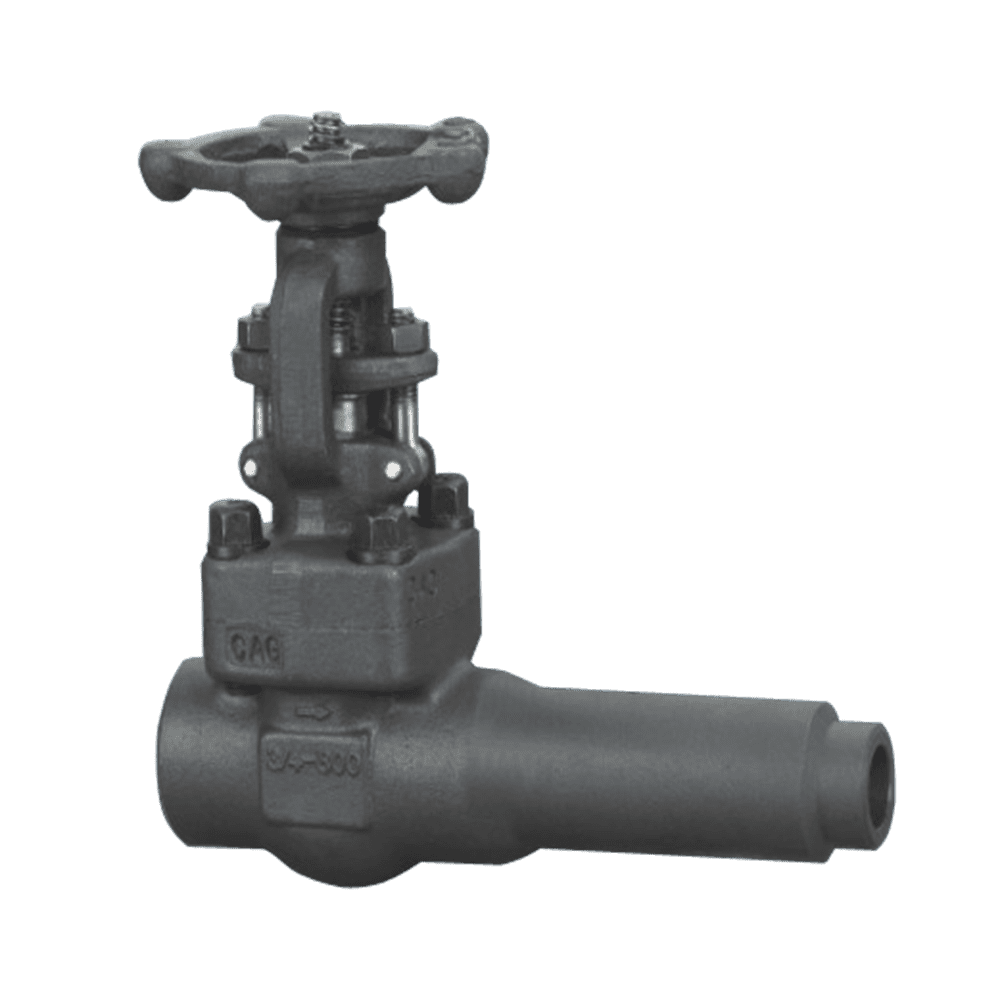
API 602 Gate Valves – Compact and ideal for smaller pipelines and high-performance systems.
DIN Valve Types
DIN valves cover a broad range of applications. Some common types are:
DIN 3352 Gate Valves – Used for regulating the flow of water and gases in various systems.
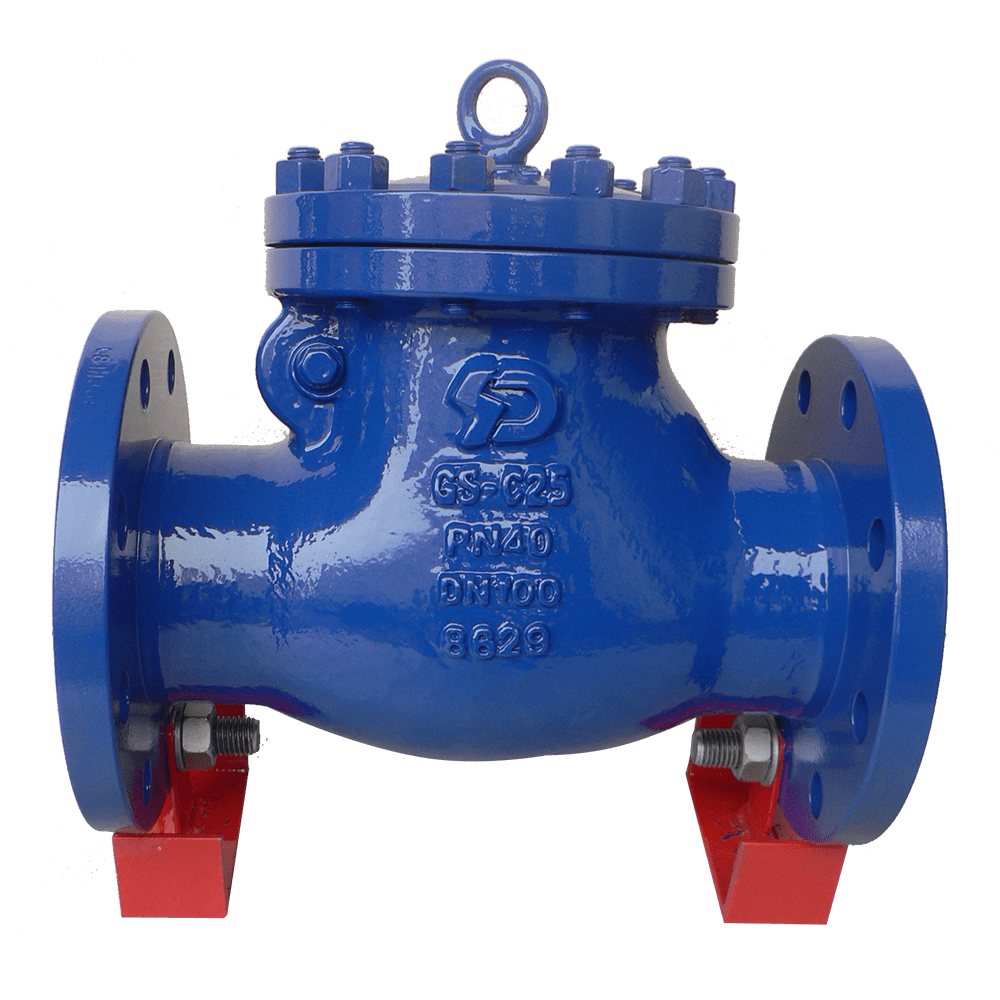
DIN 3356 Check Valve – Engineered to allow unidirectional flow and protect piping systems from reverse flow.
Comparison of Design Features
API Valve Design: Built for high-pressure environments, API valves are typically larger and more robust. They are often more expensive due to their specialized construction and the stringent API certifications.
DIN Valve Design: DIN valves are generally lighter, more flexible, and suitable for a wide range of applications. While they may not be built for extreme conditions, they offer reliable performance across various industries.
Advantages and Disadvantages of API Valves
Advantages
Designed for high-pressure and high-temperature conditions.
Superior strength and reliability, especially in the oil and gas industry.
Rigorous API certifications ensure consistent quality and performance.
Disadvantages
Higher cost due to specialized design.
Less versatile for applications outside of oil and gas industries.
Advantages and Disadvantages of DIN Valves
Advantages
More affordable and versatile for different applications.
Precision engineering for optimal performance in diverse systems.
Widely accepted across Europe and other global markets.
Disadvantages
May not perform as well in extreme pressure and temperature conditions.
Not as specialized as API valves for the oil and gas sectors.
When to Choose API vs DIN Valves
When deciding between API and DIN valves, you should consider the following:
Choose API valves if your application involves high pressures, extreme temperatures, or industries such as oil and gas.
Choose DIN valves for more general industrial uses where versatility and cost-efficiency are key, such as in water treatment or chemical processing.
FAQs
What are the key differences between API and DIN valves?
API valves are built for high-performance applications, particularly in oil and gas, while DIN valves are versatile and suitable for a wide range of industries.
Which valve standard is better for oil and gas applications?
API valves are specifically designed for oil and gas industries, offering superior strength and performance in high-pressure and high-temperature environments.
Are DIN valves used in Europe?
Yes, DIN valves are commonly used across Europe and are recognized for their precision and reliability in a variety of applications.
Can DIN valves handle high pressure and temperature?
DIN valves are generally not designed for extreme conditions. For such environments, API valves are recommended.
How do I choose between API and DIN valves for my system?
If your system requires high performance under extreme conditions, API valves are the better choice. For more general industrial applications, DIN valves provide cost-effective and reliable solutions.
Conclusion
Understanding the differences between API valves and DIN valves is essential when selecting the right valve for your industrial applications. API valves offer superior strength and reliability, particularly for high-pressure and high-temperature environments, while DIN valves are more versatile and cost-effective for a broader range of industries. For your valve needs, Sedelon offers a wide range of both API and DIN valves tailored to your requirements. Reach out to Sedelon today to make an informed and reliable valve selection!