



Table of Contents
ToggleIntroduction
API 609 valves are critical in industrial systems, used to regulate the flow of liquids or gases while preventing backflow. Within the API 609 valve standard, there are two categories: Category A and Category B. Understanding the key differences between them is crucial when selecting the appropriate valve for your specific application. This guide will explore the distinctions between API 609 Category A and Category B valves, highlighting their features, advantages, and best use cases.
What is API 609?
API 609 is a valve standard established by the American Petroleum Institute (API) that defines the design, performance, and testing requirements for butterfly valves in various industrial applications. The standard categorizes valves into two main types: Category A and Category B, based on factors like pressure ratings, material, and intended usage.
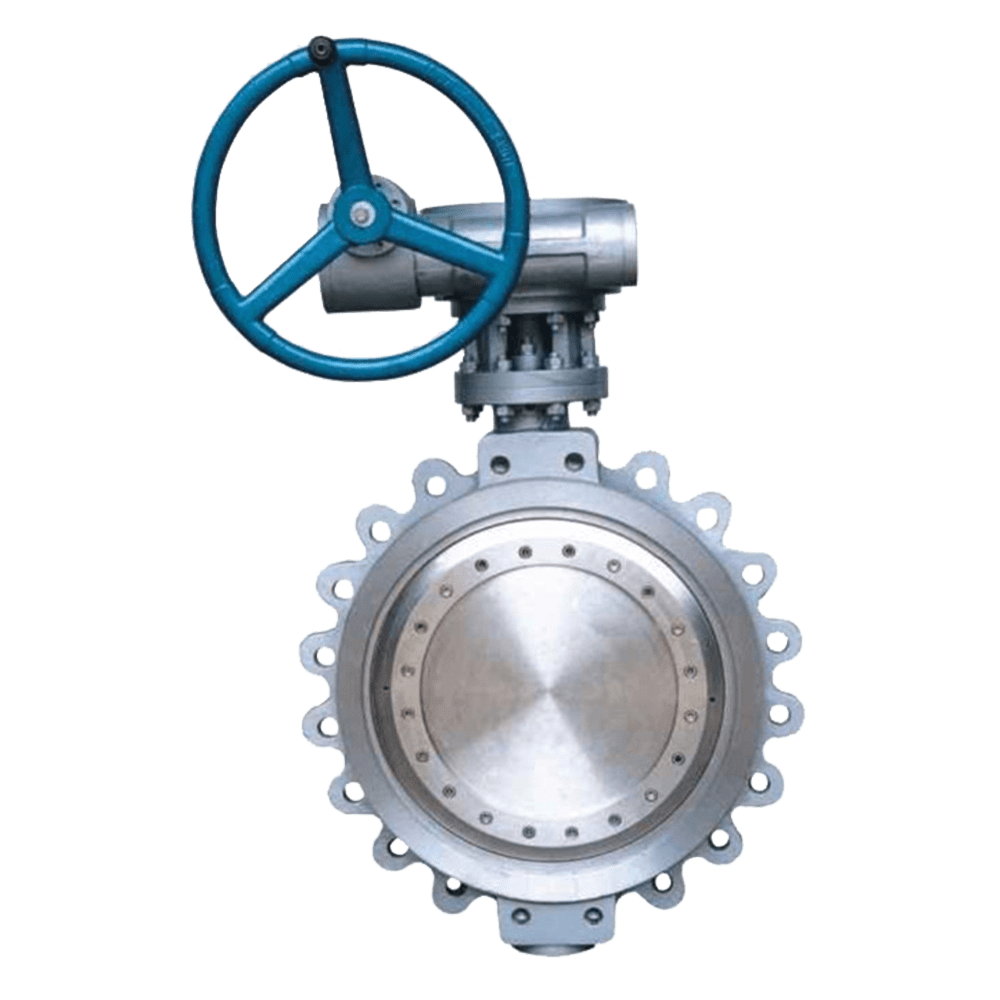
What is the Difference Between API 609 Category A and Category B?
API 609 Category A Valves
Category A valves are designed for general industrial use and provide reliable performance under lower pressure and temperature conditions. These valves typically feature a standard design with basic materials and are intended for use in less demanding applications. They are suitable for systems with moderate pressure and flow requirements.
API 609 Category B Valves
Category B valves are designed for more severe applications, such as high-pressure systems, and offer enhanced performance in extreme conditions. These valves are made with more robust materials and are built to withstand higher temperatures and pressures, making them ideal for critical industries like oil and gas, and chemical processing.
Key Differences Between API 609 Category A and Category B Valves
| Feature | Category A | Category B |
| Pressure Rating | Moderate | High |
| Material Requirements | Standard materials | Premium, corrosion-resistant materials |
| Design | Basic design | Reinforced design for high performance |
| Applications | General industrial use | High-pressure, high-temperature systems |
| Valve Body Construction | Standard construction | Reinforced, durable construction |
API 609 Valve Material Requirements
API 609 Category A valves typically use materials such as cast iron or carbon steel, which are suitable for moderate pressures. Category B valves, however, require higher-performance materials like stainless steel, titanium, or special alloys to handle higher pressures and extreme temperatures.
Choosing Between Category A and Category B Valves for Your Project
Key Considerations
When selecting a valve, consider the pressure, temperature, and fluid type in your system. Category A valves are sufficient for low to medium pressure systems, while Category B valves are better for high-pressure, corrosive, or high-temperature environments.
Application Suitability
Category A valves are often used in HVAC, water systems, and non-corrosive environments. In contrast, Category B valves are required in more demanding industries like oil, gas, and chemical processing, where high pressure and durability are critical.
Installation and Maintenance of API 609 Valves
Installing Category A Valves
Category A valves are easier to install and require less maintenance. Ensure proper alignment during installation and check for leaks during commissioning.
Installing Category B Valves
For Category B valves, installation must follow more stringent guidelines, particularly regarding pressure testing. These valves often require expert installation to ensure optimal performance under high-pressure conditions.
Maintenance Tips for Both Categories
- Regularly inspect the valve seals and actuator.
- For Category A valves, maintain moderate pressure levels and avoid exposure to extreme conditions.
- For Category B valves, ensure that they are regularly inspected for corrosion and wear due to the high-pressure environments they are exposed to.
FAQs
Q: What is the difference in pressure ratings between Category A and Category B valves?
Category A valves are rated for moderate pressure, while Category B valves can handle much higher pressures, making them suitable for severe applications.
Q: When should I choose a Category B valve?
Choose a Category B valve when working with high-pressure, high-temperature, or corrosive systems, such as those found in oil, gas, and chemical processing industries.
Q: Are Category A valves suitable for high-pressure systems?
No, Category A valves are designed for general applications with moderate pressure and are not suitable for high-pressure systems.
Conclusion
Choosing the right API 609 valve depends on the specific needs of your system. Category A valves are ideal for general use, while Category B valves are necessary for more demanding, high-pressure applications. By understanding the differences and considering your system’s requirements, you can make the best decision for optimal performance and durability.
If you’re ready to find the right valve for your application, Sedelon offers a range of API 609 Category A and Category B valves tailored to your needs. Contact us today to learn more and get expert advice.