



Introduction
In industrial fluid systems, reliability and efficiency depend on clean, debris-free flow. Even small particles can cause valve wear, pump damage, or system blockage. That’s why strainers are indispensable components in any valve and pipeline system — they serve as the first protective barrier, ensuring smooth operation and equipment longevity.
Function of Strainers in Valve Systems
Strainers filter out solid particles from liquids or gases before they reach sensitive equipment. Their main functions include:
-
Preventing clogging and erosion in valves, pumps, and control systems.
-
Enhancing flow efficiency by maintaining consistent pressure.
-
Reducing maintenance frequency and downtime, lowering operational costs.
Without strainers, systems are vulnerable to wear and unplanned shutdowns, particularly in chemical, petrochemical, and marine applications.
Types of Strainers and Their Applications
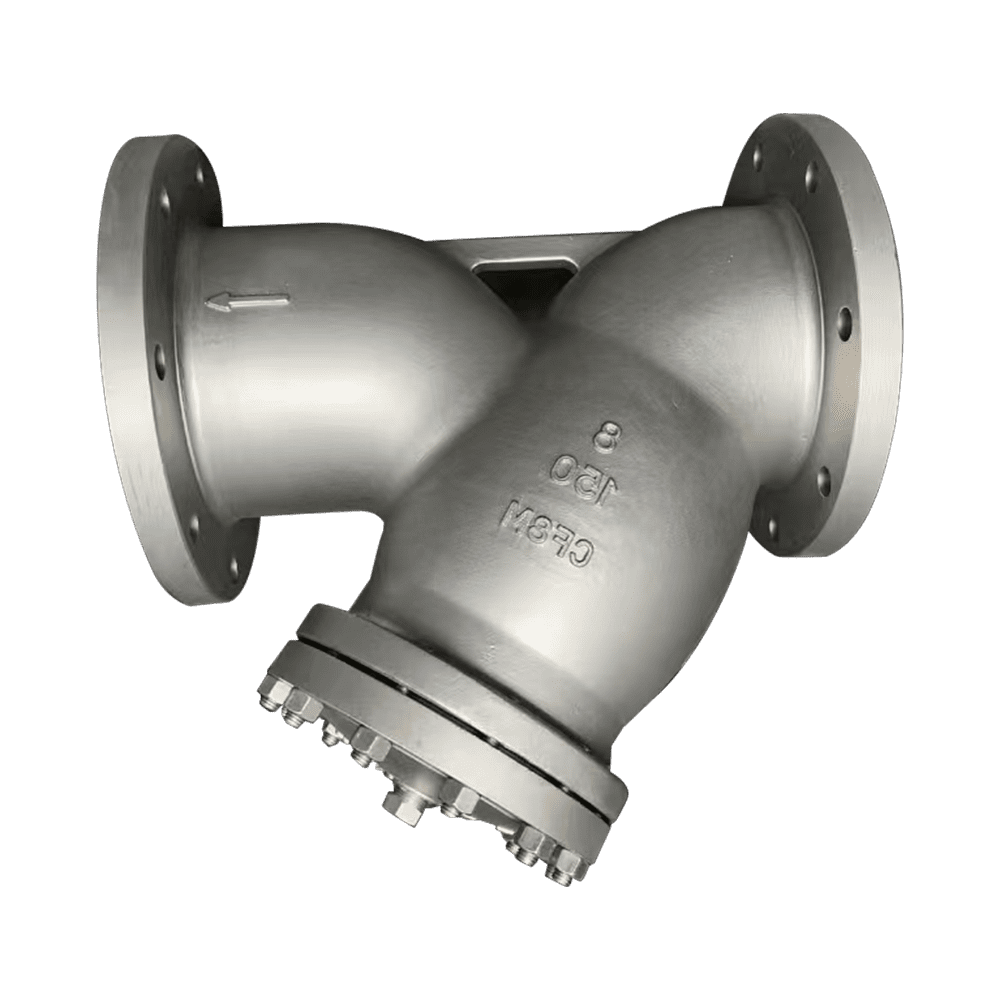
Y Strainer
Y strainers are compact, easy to install, and ideal for applications where space is limited or periodic cleaning is required. They perform well in steam, air, and high-pressure fluid systems.
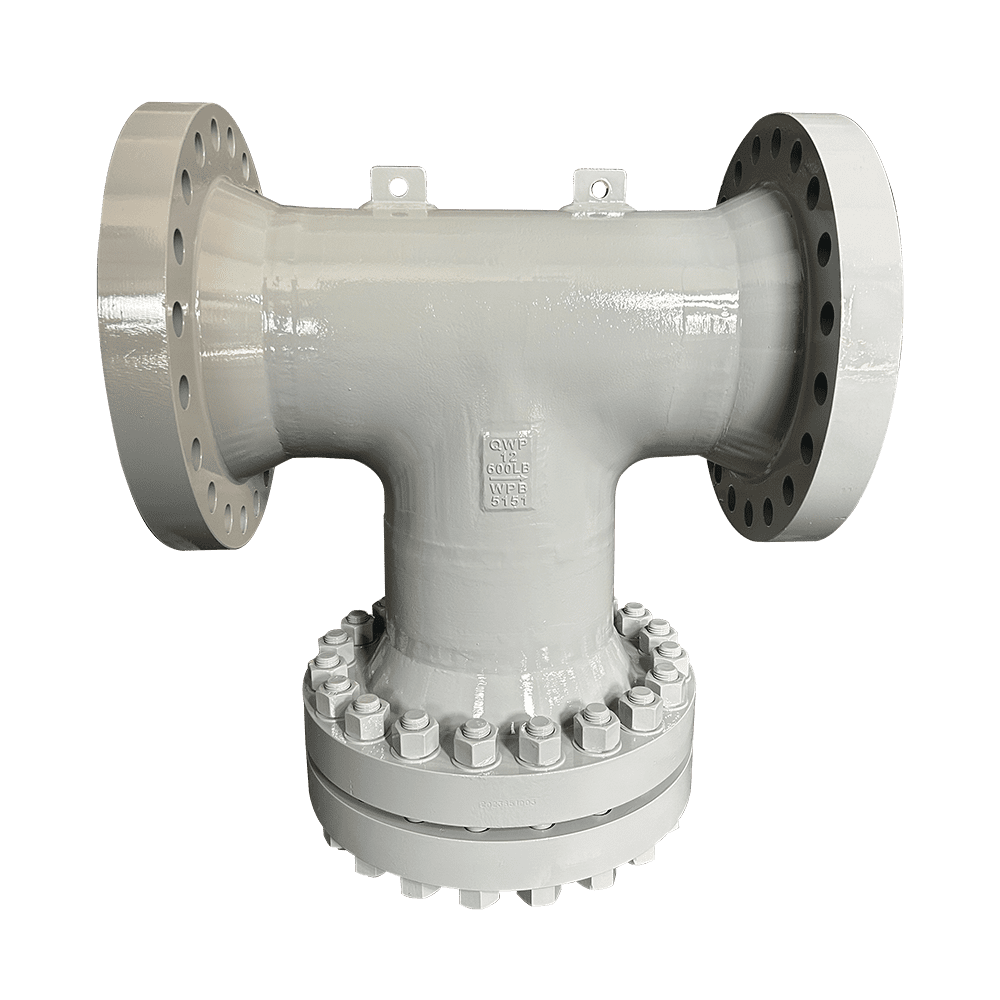
T Strainer
T strainers provide larger filtration areas and are used in high-flow systems where frequent cleaning is needed. They are commonly applied in refineries, power plants, and chemical lines handling viscous or contaminated fluids.
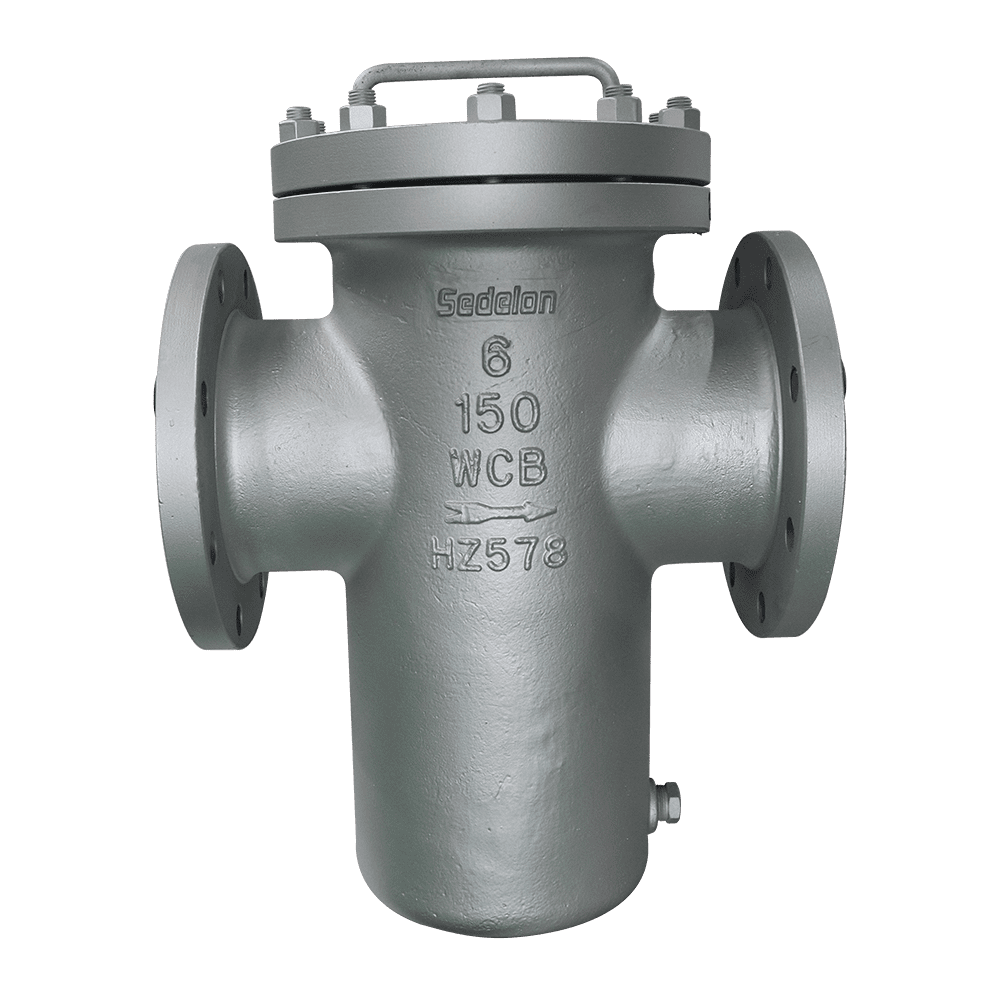
Basket Strainer
Basket strainers are designed for liquid service and can handle large volumes of debris with minimal pressure drop. They are widely used in water treatment, oil & gas, and marine systems.
Material Selection
The choice of material determines a strainer’s corrosion resistance and durability:
-
Stainless Steel : Excellent for corrosive fluids and seawater.
-
Carbon Steel: Economical for non-corrosive media.
-
Bronze / Brass: Suitable for marine and saltwater pipelines.
-
Alloy Steel: For high-temperature and chemical-resistant systems.
Strainer Selection Guide
When selecting a strainer, consider:
-
Operating conditions: temperature, pressure, and flow rate.
-
Fluid type and debris characteristics.
-
Maintenance accessibility and space limitations.
-
Filtration precision (mesh size).
Sedelon’s range of strainers (Y, T, and basket types) complies with API and DIN standards, making them compatible with various valve systems including ball valves, gate valves, and check valves.
Strainer Maintenance
Proper maintenance ensures stable flow and long service life:
-
Periodically remove and clean the screen.
-
Inspect sealing gaskets and covers for leaks.
-
Replace clogged mesh to avoid pressure loss.
Following a regular maintenance schedule helps maintain consistent performance and reduce operating costs.
FAQ
Why is a Y strainer commonly used in valve systems?
Because of its compact design, low pressure drop, and suitability for high-pressure and high-temperature applications.
How often should a strainer be cleaned?
It depends on the fluid cleanliness and operation conditions. In most cases, routine inspection every few months is recommended.
Can strainers handle corrosive media?
Yes, when made of stainless steel, bronze, or special alloys suited for such environments.
Conclusion
Strainers are essential for protecting valves, pumps, and pipelines from damage caused by debris. They ensure efficient flow, reduce maintenance, and extend system life.
Sedelon provides a complete range of Y, basket, and custom strainers built with high-quality stainless steel, bronze, and alloy materials — engineered for durability and precision in industrial systems.
Contact Sedelon today to find the ideal strainer solution for your valve system and improve your plant’s reliability and efficiency.