

...

🍪 This website requires cookies to provide all of it's features. Please enable your browser cookies.

Accept All Decline All
REQUEST A QUOTE

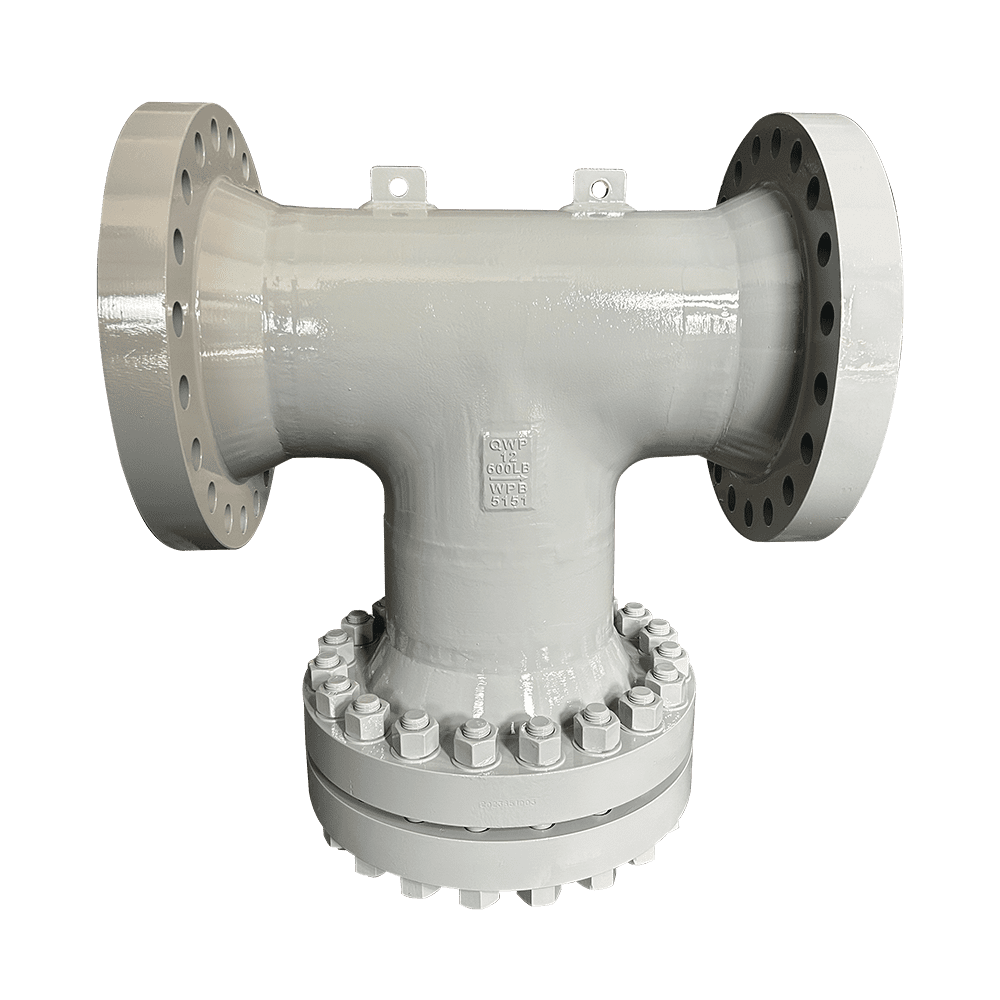
T Type Strainer

Our valves utilize cutting-edge technology, undergo rigorous quality control, ensuring outstanding performance and durability.

  1. Home
  2. »
  3. Product
  4. »
  5. T Type Strainer

T Type Strainer

Materials:

WCB 、WC6 、WC9 、CF8、 CF8M、 CF3、 CF3M 、CN7M、LC1

LC2、LC3、LCB、LCC、Monel、 20# Alloys、4A、5A、C95800

product feature

Face to Face Dimensions: ANSI B16.10

Flange end Dimension :ANSI B16.5

Butt Welded Dimensions:ANSI B16.25

Design and Manufacture:ANSI B16.34

Pressure Test:API 598

Follow Us

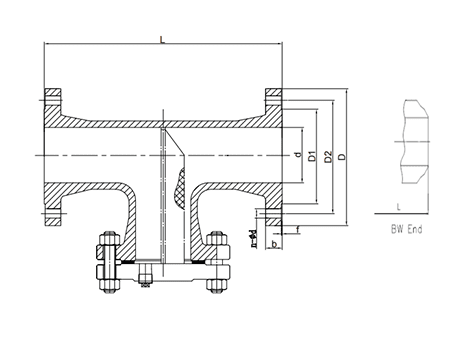
Class150   T Type Strainer 


 Application

Face to Face Dimensions: ANSI B16.10

Flange end Dimension :ANSI B16.5

Butt Welded Dimensions:ANSI B16.25

Design and Manufacture:ANSI B16.34

Pressure Test:API 598

Materials:WCB 、WC6 、WC9 、CF8、 CF8M、 CF3、 CF3M 、CN7M、LC1

LC2、LC3、LCB、LCC、Monel、 20# Alloys、4A、5A、C95800


NPS in 2 2 1/2 3 4 6 8 10 12 14 16
d mm 51 64 76 102 152 203 254 305 337 387
L(RF) mm 203 216 241 292 406 495 622 698 787 914
L(BW) mm 203 216 241 292 406 495 622 698 787 914
d1 mm 92 105 127 157 216 270 324 381 413 470
d2 mm 120.5 139.5 152.5 190.5 241.5 298.5 362 432 476 540
D mm 152 178 190 229 279 343 406 483 533 597
b mm 16 18 19 24 26 29 31 32 35 37
n-Фd mm 4-19 4-19 4-19 8-19 8-22 8-22 12-25 12-25 12-29 16-29
H mm 126 144 154 180 230 278 316 367 404 430


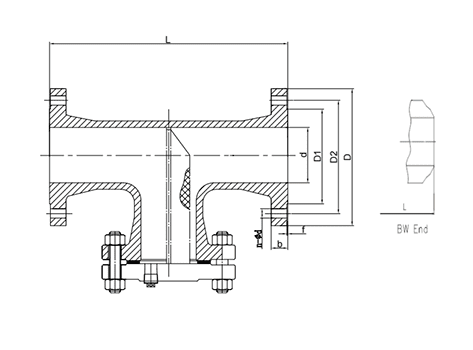
Class300   T Type Strainer


 Application

Face to Face Dimensions: ANSI B16.10

Flange end Dimension :ANSI B16.5

Butt Welded Dimensions:ANSI B16.25

Design and Manufacture:ANSI B16.34

Pressure Test:API 598

Materials:WCB 、WC6 、WC9 、CF8、 CF8M、 CF3、 CF3M 、CN7M、LC1

LC2、LC3、LCB、LCC、Monel、 20# Alloys、4A、5A、C95800


NPS in 2 2 1/2 3 4 6 8 10 12 14 16
d mm 51 64 76 102 152 203 254 305 337 387
L(RF) mm 267 292 318 356 444 559 622 711 838 864
L(BW) mm 267 292 318 356 444 559 622 711 838 864
d1 mm 92 105 127 157 216 270 324 381 413 470
d2 mm 127 149 168.5 200 270 330 387.5 451 514.5 571.5
D mm 165 190 210 254 318 381 445 521 584 648
b mm 23 26 29 32 37 42 48 51 54 58
n-Фd mm 8-19 8-22 8-22 8-22 12-22 12-25 16-29 16-32 20-32 20-35
H mm 135 155 170 195 245 295 335 380 425 455


Class300   T Type Strainer


Application

Face to Face Dimensions: ANSI B16.10

Flange end Dimension :ANSI B16.5

Butt Welded Dimensions:ANSI B16.25

Design and Manufacture:ANSI B16.34

Pressure Test:API 598

Materials:WCB 、WC6 、WC9 、CF8、 CF8M、 CF3、 CF3M 、CN7M、LC1

LC2、LC3、LCB、LCC、Monel、 20# Alloys、4A、5A、C95800


NPS in 2 2 1/2 3 4 6 8 10 12 14 16
d mm 51 64 76 102 152 200 248 298 327 375
L(RF) mm 292 330 356 432 559 660 787 838 889 991
L(BW) mm 292 330 356 432 559 660 787 838 889 991
d1 mm 92 105 127 157 216 270 324 381 413 470
d2 mm 127 149 168.5 216 292 349 432 489 527 603
D mm 165 190 210 273 356 419 508 559 603 686
b mm 26 29 32 38 48 56 64 67 70 77
n-Фd mm 8-19 8-22 8-22 8-25 12-29 12-32 16-35 20-35 20-38 20-41
H mm 145 160 175 205 260 315 355 405 450 475


POPULAR PRODUCTS

Face to Face Dimensions:ANSI B16.10

Flange end Dimension :ANSI B16.5

Butt Welded Dimensions:ANSI B16.25

Design and Manufacture:BS1873

Pressure Test:API598

Materials:WC6 、WC9 、CF8、 CF8M、 CF3、 CF3M 、CN7M、LC1LC2、LC3、LCB、LCC、Monel、20# Alloys、4A、5A、C95800、C95500, ect.

Main Material:

WC6 、WC9 、CF8、 CF8M、 CF3、 CF3M 、CN7M、LC1、LC2、LC3、LCB、LCC、Monel、 20# Alloys、4A、5A, ect.

Face to Face Dimensions:ANSI B16.10

Flange end Dimension :ANSI B16.5

Butt Welded Dimensions:ANSI B16.25

Design and Manufacture:BS1873

Pressure Test:API598

Materials: WC6 、WC9 、CF8、 CF8M、 CF3、 CF3M 、CN7M、LC1LC2、LC3、LCB、LCC、Monel、20# Alloys、4A、5A、C95800、C95500, ect.

Our industrial valves are designed for optimal performance and reliability across a wide range of applications.

POPULAR PRODUCTS

Backflow Preventer vs. Check Valve Key Differences Every Engineer Must Know

Backflow Preventer vs. Check Valve: Key Differences Every Engineer Must Know

When selecting flow control equipment for industrial or commercial systems, the choice between a backflow preventer and a check valve is more consequential than it appears. Both prevent reverse flow — but they differ fundamentally in design, fail-safe capability, and regulatory compliance. This guide breaks down every critical distinction so engineers and procurement managers can make confident, code-compliant decisions.
Gate Valve vs Butterfly Valve Which One Is Right for Your Pipeline System

Gate Valve vs Butterfly Valve: Which One Is Right for Your Pipeline System?

Choosing the wrong valve type for a critical pipeline system is not just a specification error — it can mean elevated energy costs, accelerated wear, maintenance downtime, and in high-pressure environments, significant safety risk. For engineers and procurement professionals specifying industrial valves in oil & gas, water treatment, chemical processing, or HVAC, understanding the practical differences between a gate valve vs butterfly valve is fundamental to sound valve selection.
Types of Valve Handles The Complete Industrial Selection Guide

Types of Valve Handles: The Complete Industrial Selection Guide

Choosing the right valve handle directly impacts system efficiency, operator safety, and long-term reliability. This comprehensive guide covers all major types of valve handles — from quarter-turn lever handles and handwheels to gear operators, pneumatic actuators, and electric actuators — helping B2B procurement engineers and plant managers select the optimal solution for every industrial application.
Globe Valve vs Gate Valve Key Differences & How to Choose the Right Industrial Valve

Globe Valve vs Gate Valve: Key Differences & How to Choose the Right Industrial Valve

When specifying an industrial valve, the choice between a globe valve and a gate valve has major implications for flow control performance, pressure drop, and total cost of ownership. This guide breaks down every key difference so you can make the right call the first time.
Ball Valve Repair The Complete Industrial Maintenance & Troubleshooting Guide

Ball Valve Repair: The Complete Industrial Maintenance & Troubleshooting Guide

Ball valve repair is a critical skill for any plant engineer or procurement manager aiming to reduce downtime and extend asset life. This guide covers failure diagnosis, step-by-step disassembly, soft-parts replacement, reassembly torque specs, and post-repair pressure testing – all aligned with API 598 and API 6D standards. Backed by Sedelon’s 25+ years of manufacturing expertise.