



You open two globe valve bids for a German plant: one valve is quoted to BS 1873, the other to DIN 3356, and the tender references EN 558-1 for face-to-face. On paper they all look like “steel globe valves,” but they are not interchangeable. The trap is that these three documents control different things — one is a British product standard, one is a German pressure-standard, and one is only a European length standard. Mix them without checking flange drilling, pressure basis and testing, and you end up with valves that will not bolt up or pass the same test.
Why “BS 1873”, “DIN 3356” and “EN 558-1” Are Not the Same Kind of Standard
The single most useful thing to understand before comparing these documents is that they sit at different levels of a valve specification. Two of them tell you how the valve is built; one only tells you how long it is.
- BS 1873 and DIN 3356 are product standards: they define materials, wall thickness, pressure-temperature ratings, end preparations and (historically) dimensions for steel globe valves.
- EN 558-1 is a dimensional interchangeability standard. It covers almost nothing about the valve’s internals — only the face-to-face and centre-to-face lengths so that one manufacturer’s valve can replace another in the same line.
In the European Union the harmonized product standard that has largely absorbed both BS 1873 and DIN 3356 is EN 13709 (Industrial valves — Steel globe valves). National standards are still written into many legacy specs and client procedures, which is exactly why a 2026 tender can still name all three.
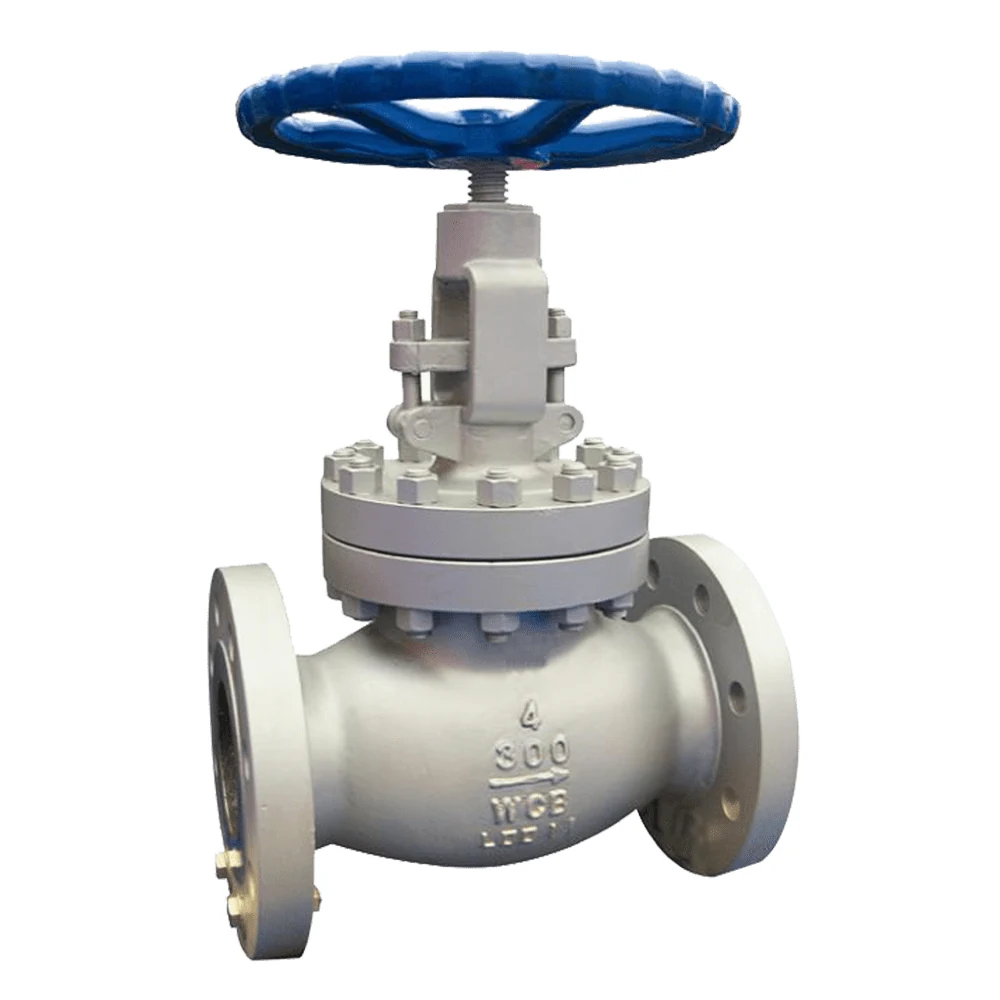
BS 1873 — The British Steel Globe Valve Standard
BS 1873 specifies steel globe valves with flanged and butt-welding ends for the petroleum, petrochemical and allied industries. It is built around the Class pressure basis (Class 150 through Class 2500) and shares its body philosophy with API 600-style designs.
What BS 1873 covers
Beyond the envelope dimensions, BS 1873 sets expectations for the bonnet joint, stem, seat and pressure-temperature rating of the valve body. Because it is a Class-based standard, a BS 1873 valve is dimensionally and pressure-rated to pair with ASME B16.5 (or B16.47 for large bores) flanges rather than European PN flanges.
Where you still see it
You will find BS 1873 cited on UK North Sea, Middle East and Commonwealth projects, and in any specification that was originally written around API-style equipment. It remains a perfectly valid procurement basis — the issue only appears when someone assumes it drops into a PN/EN 1092-1 piping system.
DIN 3356 — The German PN-Rated Globe Valve Standard
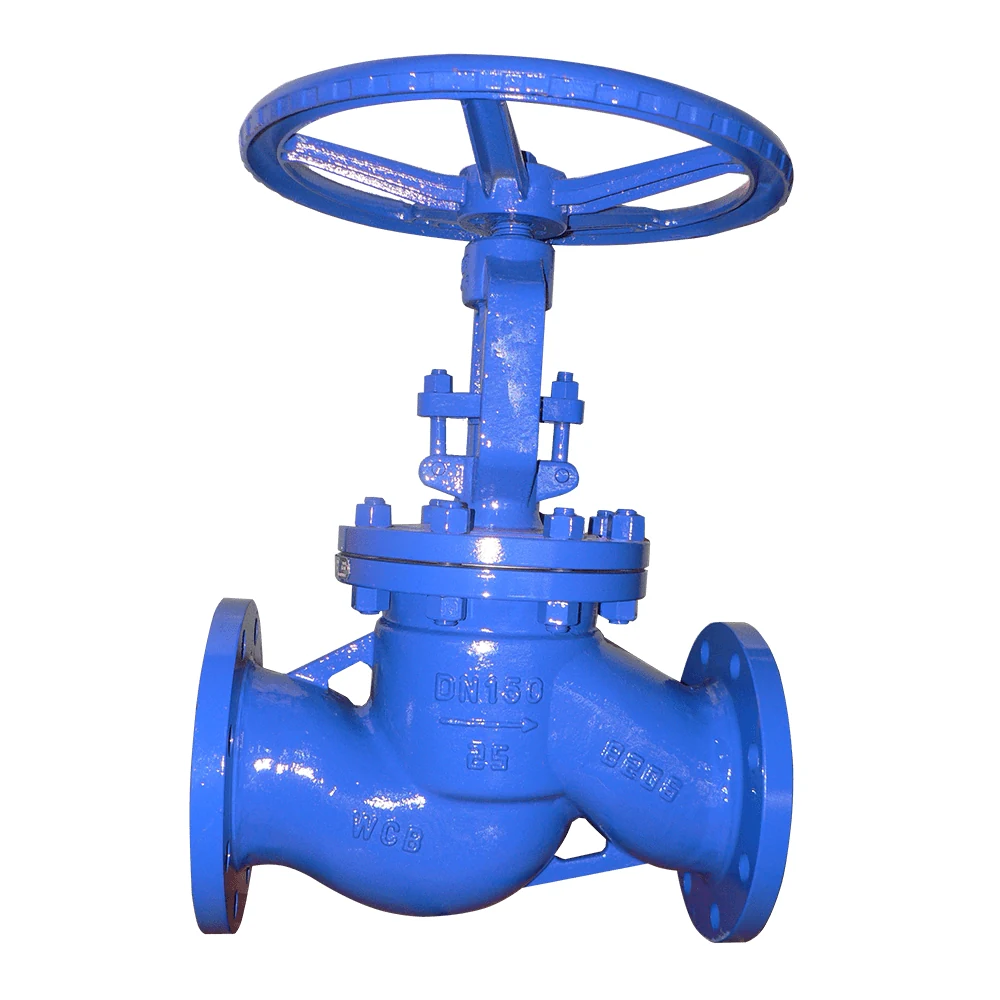
DIN 3356 is the German national standard for globe valves, traditionally covering PN 16 through PN 400 designs with flanged and welded ends. Its pressure basis is PN (nominal pressure), not Class, and its flange drilling follows the German/European DIN / EN 1092-1 system.
Scope and pressure basis
A DIN 3356 valve is engineered and rated for a PN-series piping system. The pressure-temperature rating is read against PN bands and the relevant material group, and the bolt circle, number of bolts and flange facing all match EN 1092-1. This makes it the natural choice for DACH-region plants, Eastern European utilities and any project drawn to European flange standards.
EN 558-1 — The European Face-to-Face Interchangeability Standard
EN 558-1 (Industrial valves — Face-to-face and centre-to-face dimensions of flanged valves — Part 1) defines the series F lengths for Class-designated flanged and wafer valves. Its entire job is to make valves of the same nominal size and class physically swap-in compatible on the pipe.
Series F and what it does not cover
Series F is the European mirror of the ISO 5752 face-to-face series for Class valves. Critically, EN 558-1 says nothing about flange drilling, material or pressure rating — only length. For PN-designated valves you instead reference EN 558-2 (series 1, 2, 13, 14, 25, 26, 27, 28). A common specification error is to write “EN 558-1” on a PN 40 line and then discover the length series does not apply to the pressure basis you actually bought.
BS 1873 vs DIN 3356 vs EN 558-1 — At a Glance
| Dimension of the spec | BS 1873 | DIN 3356 | EN 558-1 |
|---|---|---|---|
| Type of standard | Product / design | Product / design | Dimensional (length only) |
| Pressure basis | Class (150–2500) | PN (16–400) | Class (series F) |
| Flange system | ASME B16.5 / B16.47 | EN 1092-1 (PN) | Follows host flange std |
| Face-to-face | Class-series (per EN 558-1 if specified) | PN-series (per EN 558-2 if specified) | Defines the length |
| Typical region | UK, Middle East, API-based | DACH, Eastern Europe | EU interchangeability |
| EU superseded by | EN 13709 | EN 13709 | Still current |
The Three Things That Actually Break a European Project
Standards documents are harmless until they meet a flange. These are the three failure points that turn a cheap bid into a site reject.
Flange drilling — EN 1092-1 vs ASME B16.5
A PN 40 flange and a Class 300 flange of the same bore do not share a bolt circle, bolt count or facing. A DIN 3356 (PN) valve will not seat on an ASME B16.5 (Class) flange, and a BS 1873 (Class) valve will not seat on an EN 1092-1 (PN) flange. Confirm the flange standard on the line drawing first; the valve standard is secondary to it.
Pressure-temperature basis — PN vs Class
PN and Class are not a simple lookup swap. A PN 40 rating and a Class 300 rating diverge as temperature rises because their underlying material allowable-stress curves differ. Specify the basis that matches the rest of the piping and the plant’s design code, then select the valve material group against that basis.
Testing — EN 12266-1 vs API 598
European-sourced valves are normally tested to EN 12266-1; American-basis valves to API 598. The two define shell and seat test pressures and acceptable leakage differently. If the bid mixes a DIN/EN valve with an API 598 acceptance clause, agree the test standard in the tender or you will argue about leakage at the FAT.
A Practical Specification Path for European Globe Valve Packages
For an EPC or procurement engineer, the cleanest way to avoid incompatible bids is to write the standard references explicitly rather than letting each vendor default to its home system. A workable sequence:
- Fix the flange standard and pressure basis from the piping spec (EN 1092-1 + PN, or ASME B16.5 + Class).
- Specify the product standard as EN 13709 for EU work, or name BS 1873 / DIN 3356 only if the client procedure demands it.
- Call out face-to-face explicitly — EN 558-1 (series F) for Class valves, EN 558-2 for PN valves — instead of assuming it.
- State the test standard (EN 12266-1 or API 598) and the acceptance criteria in the same clause.
- Require bidders to declare the material standard (e.g. ASTM vs EN grade) so a cross-reference is on file.
Tool suggestion: Turn steps 1–5 into a one-page “European globe valve specification checklist” that travels with every enquiry. It is the fastest way to stop receiving bids on three different standard bases and to make vendor comparisons apples-to-apples.
Need a globe valve quoted on your standard basis?
Sedelon supplies steel globe valves for both PN (EN 1092-1) and Class (ASME B16.5) systems and can quote to EN 13709, BS 1873 or DIN 3356 with the face-to-face and test standard stated up front.
Material and Rating Notes Buyers Often Miss
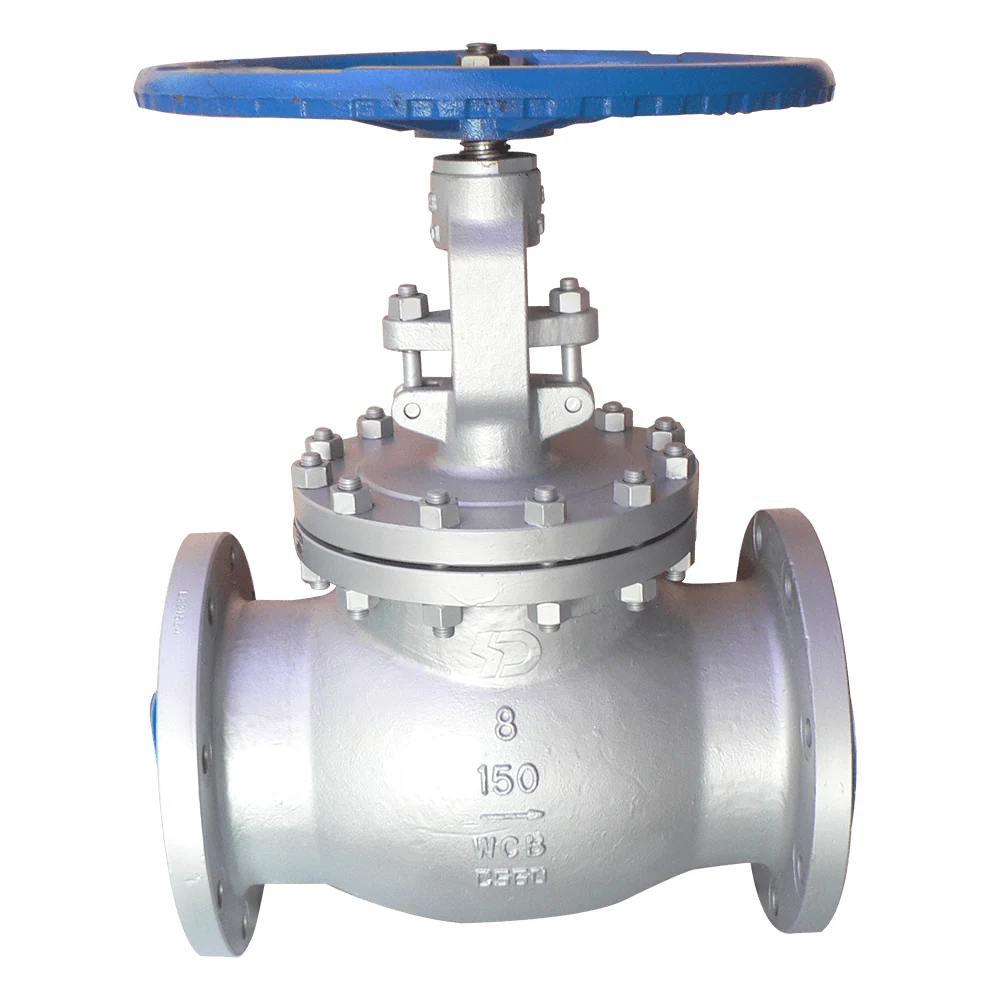
The standard you choose also dictates which material grades are in play. A BS 1873 / API-style valve leans on ASTM grades (WCB, LCB, CF8M and the like), while a DIN 3356 / EN 13709 valve is often specified against EN material designations. The two families overlap closely in chemistry and mechanical properties but use different grade names, so a cross-reference table should sit in the procurement dossier — not in the vendor’s head.
Where throttling or frequent operation is expected, pair the standard choice with the right trim and actuator — our guide to gear-operated globe valves covers the control side of the same decision.
Closing: Let the Piping Choose the Standard
The safest rule for any European globe valve package is to let the piping decide the standard, not the other way around. If the line is drawn to EN 1092-1 on a PN basis, specify EN 13709 (or DIN 3356) and call out EN 558-2 face-to-face; if it is built to ASME B16.5 on a Class basis, BS 1873 with EN 558-1 series F is the natural fit. State the test standard in the same clause, keep a material cross-reference on file, and the three standards stop being a trap and become a checklist you control.
Frequently Asked Questions
Is BS 1873 still valid after EN 13709?
Yes. EN 13709 is the harmonized European product standard that has largely replaced BS 1873 and DIN 3356 in EU tenders, but BS 1873 remains valid and is still widely specified on UK, Middle East and API-based projects. The two can be used interchangeably only when the flange system, pressure basis and testing are aligned.
Can a DIN 3356 valve bolt up to an ASME B16.5 flange?
No. A DIN 3356 valve uses EN 1092-1 (PN) flange drilling, while ASME B16.5 uses a different bolt circle, bolt count and facing. Even at a similar bore and pressure intent, the flanges will not match. The flange standard on the line — not the valve product standard — decides compatibility.
What does EN 558-1 actually specify?
EN 558-1 defines only the face-to-face and centre-to-face lengths (series F) for Class-designated flanged and wafer valves, so valves from different makers remain dimensionally interchangeable. It does not specify materials, pressure rating, flange drilling or testing. For PN valves, the relevant length standard is EN 558-2.
Which pressure-temperature basis should a European tender use?
For European piping drawn to EN standards, specify the PN basis with EN 1092-1 flanges; for lines engineered to API/ASME equipment, use the Class basis with ASME B16.5. Do not mix them, and select the valve material group against the chosen basis rather than assuming a PN-to-Class equivalence.
How do EN 12266-1 and API 598 differ for globe valves?
Both govern shell and seat leakage testing, but they set test pressures and acceptance limits differently. EN 12266-1 is the European reference; API 598 is the American one. State the required test standard in the tender so vendors are judged on the same leakage criteria at the factory acceptance test.
Should I specify face-to-face in the tender or trust the standard?
Specify it explicitly. Write EN 558-1 (series F) for Class valves or EN 558-2 for PN valves, because the length series depends on the pressure basis. Leaving it implicit is the most common cause of “the new valve is 30 mm too long” surprises during shutdown.
Align your next valve enquiry before you issue it
Send us the line size, pressure basis, flange standard and service so we can return a compliant globe valve quotation with the correct standard references attached.