


Introduction
In modern chemical plants, refineries, and oil and gas facilities, keeping volatile organic compounds (VOCs) and hazardous air pollutants (HAPs) inside the pipe is a top priority. As environmental regulations get stricter around the world, plants have to find and fix every single leak point in their piping.
Valves have always been one of the worst offenders when it comes to fugitive leaks on a process line. To fix this without slowing down production, the valve industry developed Low-Emission (Low-E) Valve Seal Systems. This guide covers why valves leak, how low-emission packing systems are built to stop it, and the international testing standards used to certify how well they perform.
What Are Fugitive Emissions and Why Do They Focus on Gland Packing?
Fugitive emissions are the unplanned, accidental release of gases or vapors from pressurized industrial equipment. Unlike regulated emissions that exit through flanged stacks or vent systems, fugitive emissions leak out quietly through seals, gaskets, and mechanical joints.
Field data shows that valves cause around 50% to 60% of all fugitive emissions in a typical refinery. Inside a standard gate, globe, or ball valve, the main trouble spot is the gland packing box. The valve stem has to turn or move up and down to open and close the valve, so the packing wrapped around it needs to squeeze tight enough to block pressure, but stay loose enough to let the stem move freely. Over time, constant cycling, temperature swings, and mechanical wear break down traditional packing ropes, and that creates tiny gaps where hazardous chemicals can escape.
The Structural Elements of Low-E (Low-Emission) Valve Seal Systems
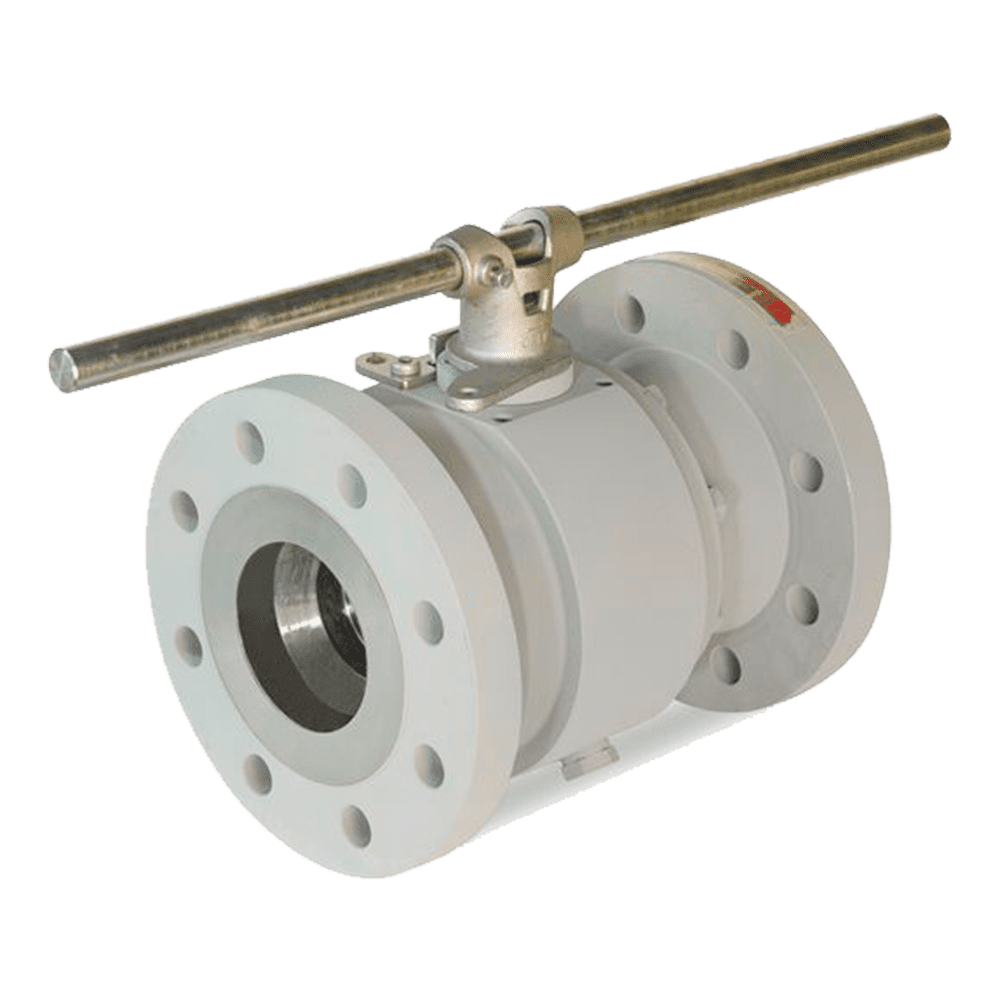
Modern Low-E valves don’t rely on standard braided rope packing. Instead, they use engineered sealing systems built to keep constant, uniform radial pressure against the valve stem and stuffing box wall.
Advanced Die-Formed Flexible Graphite Matrix Rings
The core of a Low-E system is a set of high-purity, die-formed flexible graphite rings. Unlike cheap, off-the-shelf graphite ropes, these rings are compressed to exact densities at the factory. Flexible graphite can handle serious heat — up to 500°C in non-oxidizing lines — and lubricates itself naturally. When the gland bolts get tightened, these factory-made rings expand sideways predictably, forming a tight gas seal against the microscopic grooves of the moving valve stem.
Carbon Fiber Reinforced Anti-Extrusion Braided End Rings
Under high pressure and continuous cycling, flexible graphite tends to micro-extrude or migrate out of the gaps in the packing box. To stop this, Low-E systems add braided carbon fiber rings at the top and bottom of the packing stack — the end rings. These high-tensile rings act as physical barriers that scrape the stem clean of particulates, and they mechanically keep the softer graphite matrix from extruding under pressure.
Live-Loading Mechanisms via Engineered Belleville Spring Washers
As a valve heats up during operation and cools down during shutdown, the packing inside expands and contracts. In an older valve, this constant thermal shifting causes the packing to loosen and leak. Low-E systems solve this with “Live-Loading” — by stacking heavy-duty Belleville spring washers onto the gland studs, the system stores continuous mechanical energy. When the packing shrinks or wears down slightly, the springs expand to take up the slack, keeping a steady, uniform squeeze on the seal without a technician needing to constantly adjust the bolts.
Industrial Testing Standards Explained: API 622, API 641, and ISO 15848-1
To be officially classified as Low-E, a valve assembly or its packing material has to pass rigorous testing verified by third-party labs.
API 622 (Packing Material Performance): This American Petroleum Institute standard tests the raw packing material on a specialized rig. The packing has to survive 1,510 mechanical strokes and 5 thermal cycles, from room temperature up to 260°C, while pressurized with pure methane gas. To pass, leakage can’t exceed 100 ppmv, and the gland bolts can’t be tightened at any point during the test.
API 641 (Quarter-Turn Valve Certification): This standard applies the same tough API 622 rules to complete quarter-turn valve assemblies, like ball and butterfly valves. It puts the whole valve through 610 mechanical cycles under extreme temperatures, keeping leaks below the 100 ppmv mark throughout.
ISO 15848-1 (International Classification Framework): This global standard rates complete valve designs into Tightness Classes — A, B, or C — using helium or methane gas detectors. Class A is the hardest to achieve, requiring leaks to stay below 10mg⁻⁶/(s·m) per millimeter of stem diameter over thousands of test cycles.
Head-to-Head Comparison: Low-E Valves vs. Standard Gland Packing Designs
| Design Metric | Standard Gland Packing | Low-E Certified Valve System |
| Allowable Leakage Threshold | Often >500 ppmv (unregulated) | ≤100 ppmv (API/ISO certified) |
| Packing Material Composition | General PTFE or commercial braided rope | Die-formed graphite with carbon fiber end rings |
| Response to Thermal Cycling | Relaxes; requires manual gland tightening | Self-adjusting via live-loaded Belleville springs |
| Typical Friction Coefficient | High (can cause stem binding or jerky movement) | Low (optimized for automated control loops) |
| Typical Friction Coefficient | High (can cause stem binding or jerky movement) | Low (optimized for automated control loops) |
| Service Lifespan | Short to moderate; requires frequent repacking | Extended operational cycles with minimal drift |
Economic Benefits of Upgrading to Low-E Valves: Reduced Product Loss and Penalty Avoidance
Low-E valves cost more upfront than utility-grade alternatives, but the long-term return can be significant:
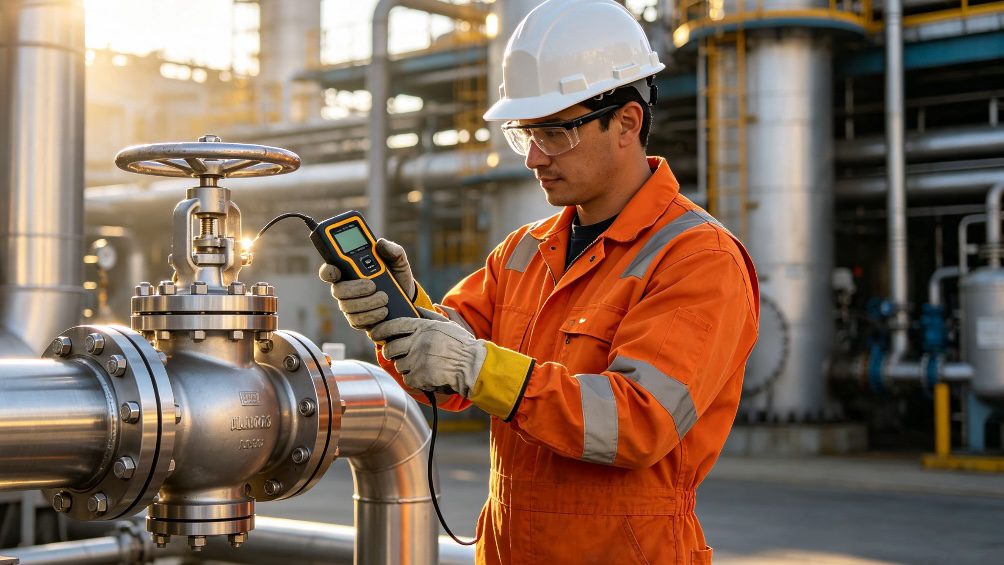
Elimination of Environmental Penalties: Environmental inspectors hand out heavy daily fines for valves that leak past legal limits during standard Method 21 sniffing checks. Upgrading to certified Low-E valves removes that risk entirely.
Recovery of Value from Product Loss: When expensive gases like ethylene, propylene, or hydrogen leak out across thousands of valve nodes, it adds up to a serious waste of raw material. Low-E valves keep the product where it belongs, protecting your bottom line.
Reduction in LDAR Maintenance Costs: Leak Detection and Repair (LDAR) rules require technicians to check every valve node every quarter. Valves with certified Low-E setups rarely fail, which cuts down the time and labor spent on emergency repacking and re-testing.
Why Choose Sedelon API-Certified Low-Emission Industrial Valves?
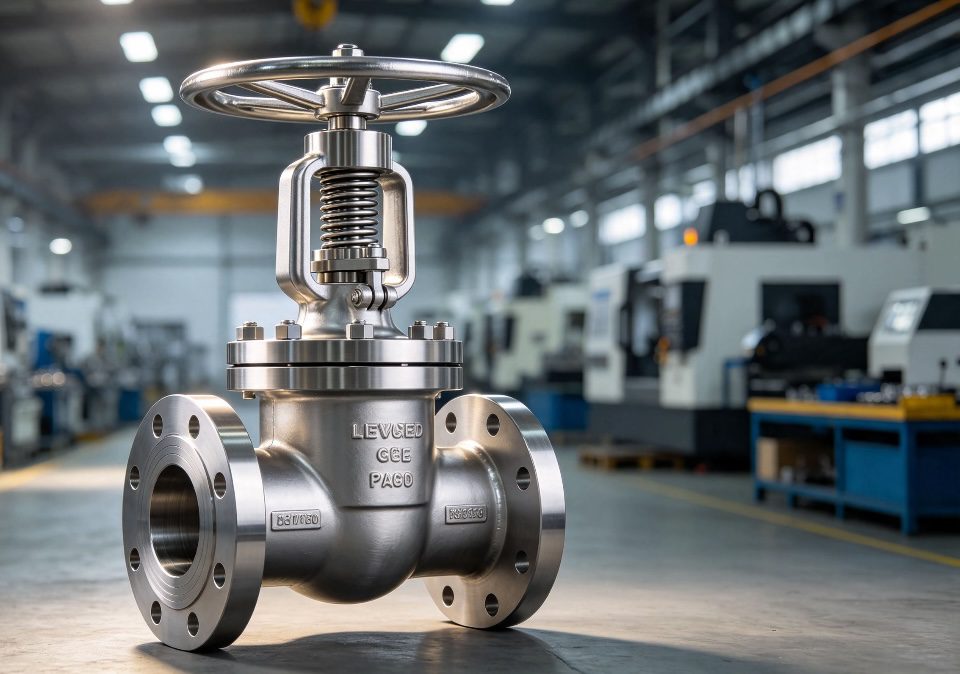
When retrofitting existing lines or designing new process units, choosing the right instrumentation and valving matters a lot. Sedelon offers low-emission valve configurations built for demanding industrial use.
Certified Compliance with API 624 & API 641: Sedelon gate, globe, and ball valves are fully type-tested and certified by international labs, keeping fugitive emissions below the 100 ppmv threshold even under extreme thermal cycling.
Precision CNC Stem and Stuffing Box Machining: A true low-leak seal depends on a precise metal surface finish. Sedelon uses high-precision CNC machining to hold tight surface roughness (Ra) tolerances on both valve stems and internal stuffing boxes, which keeps friction low and lets the graphite rings seal properly.
Custom Engineered Live-Loading Packages: We design custom live-loaded Belleville spring configurations tailored to your specific pressure and temperature profile, so the seal holds up even in demanding, high-frequency utility environments.
FAQs
1: Can an existing standard valve be retrofitted with a Low-E packing system in the field?
Yes. Many standard valves can be upgraded by cleaning the stuffing box, polishing the valve stem to the right surface finish, and installing an engineered Low-E packing kit — complete with die-formed graphite rings, carbon fiber end rings, and a live-loading spring assembly.
2: Does a Low-E valve require more torque to actuate than a standard valve?
Not necessarily. Since Low-E systems use high-purity, self-lubricating graphite and optimized live-loading, they distribute radial force more evenly. This often results in a smoother, more predictable torque profile than an over-tightened standard packing rope.
3: What is the main difference between using Helium vs. Methane for low-emission testing?
Methane (CH4) is typically used in API standards to simulate real-world hydrocarbon processes. Helium (He) is used mainly in ISO 15848-1 testing, since its smaller molecular size makes it an excellent tracer gas for detecting microscopic leak paths through mass spectrometry.
4: Will a Low-E valve prevent leaks if the valve stem becomes physically scored or scratched?
No. Even the best Low-E packing system can’t seal against a deeply scored or pitted stem. Physical defects create channels that let gas bypass the packing rings entirely. Stems need to be polished or replaced during repacking to keep low-emission performance intact.
5: Are live-loading Belleville washers required for all low-emission certifications?
Not always — some packing configurations can pass initial API tests without live-loading under stable lab conditions. But live-loading is strongly recommended for real-world use, since it compensates for the thermal cycles and mechanical wear that show up in active process environments.
6: Why can’t we use standard PTFE packing for all low-emission applications?
PTFE has a low coefficient of friction and seals well, but it suffers from cold flow — it creeps under pressure — and is limited to temperatures below 200°C. For high-temperature utility lines and steam service, flexible graphite is still the standard material.
Conclusion
Stopping fugitive leaks is one of the biggest challenges for modern processing plants. By moving away from outdated gland packing and switching to advanced Low-E sealing components — die-formed flexible graphite, carbon fiber end rings, and live-loaded Belleville springs — operators can cut down on unexpected VOC leaks significantly.
Choosing equipment that meets real performance standards like API 622, API 641, and ISO 15848-1 gives your plant a verifiable safety record. Investing in field-tested equipment, like Sedelon’s API-certified low-emission valves, is a smart way to keep workers safe, protect the environment, and secure long-term operational profits.