



Choose a lubricated plug valve when your line handles dirty, abrasive or high-pressure hydrocarbon media and your maintenance team can commit to periodic sealant injection. Choose a non-lubricated plug valve — normally fitted with a soft PTFE sleeve — when you need low-torque quarter-turn operation, clean media and years of service without re-lubrication. This guide compares both types across sealing design, torque, maintenance and cost, then gives you a five-point checklist so you can pick the right plug valve for your pipeline with confidence.
What Is a Lubricated Plug Valve?
A lubricated plug valve seals with grease. Grooves machined into the tapered plug and body carry a special sealant that is injected from a fitting in the cover, forming a pressure-tight, metal-to-metal-free film around the plug. The same grease film reduces operating friction, so a lubricated plug valve can hold a bubble-tight seal at pressure classes and line sizes that would jam a dry metal plug. That is why this design has remained the default shut-off valve on gas transmission, refinery and sour-crude duty for decades — and why lubricated plug valves are still specified wherever downtime is expensive.
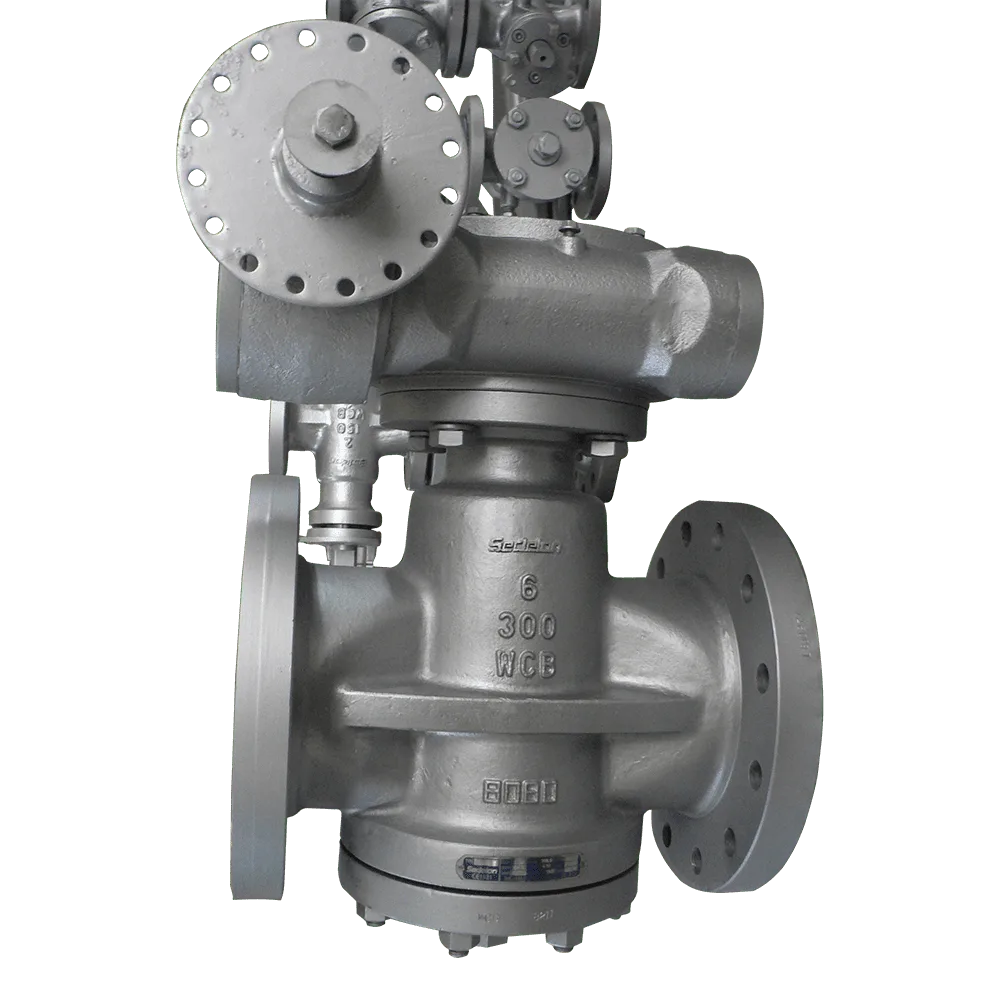
Sedelon lubricated plug valve, Class 300 WCB body, with sealant injection fittings on the cover.
The trade-off sits on the maintenance side. The sealant is a consumable: every operating cycle and every degree of temperature slowly consumes the film, so the valve must be re-greased on schedule to stay tight. If your plant has no lubrication routine, a lubricated plug valve will eventually leak — not because the design is weak, but because it was fed.
What Is a Non-Lubricated Plug Valve?
A non-lubricated plug valve takes the grease out of the equation. The most common version places a resilient PTFE sleeve around the tapered plug: the sleeve carries the seal and lubricates the motion, so the valve operates dry and never contaminates the media with hydrocarbon grease. Other designs, such as expanding plug valves, use a mechanical cam that lifts the plug away from the seat during travel and presses it against the body only when closed, cutting wear and torque at the same time.
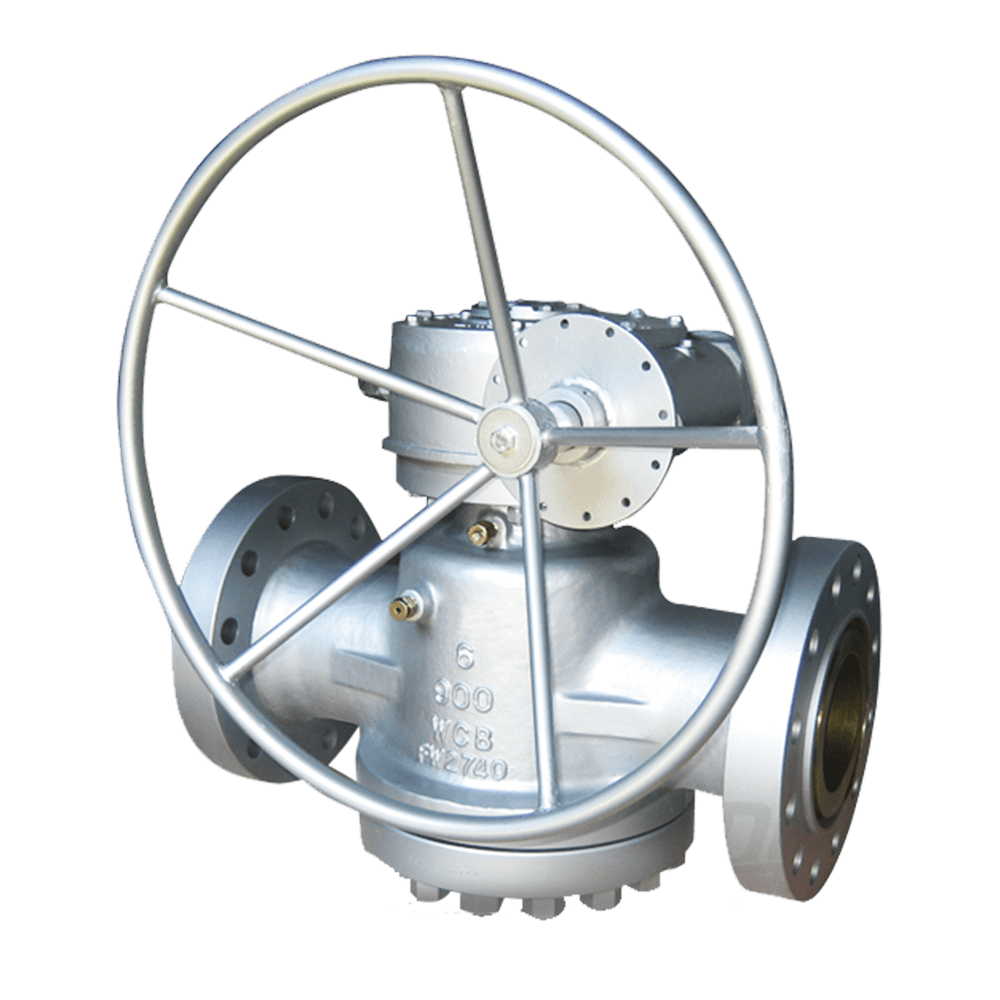
Cutaway of an expanding plug valve: the plug moves away from the seat while turning and seals only in the closed position.
Because there is no sealant to replenish, non-lubricated plug valves suit utilities, chemical dosing lines, water treatment and any service where injected grease would foul the product. Their limits are equally clear: soft sleeves cap the temperature and pressure range, and heavy abrasives gradually wear the sleeve away.
Lubricated vs Non-Lubricated Plug Valves: Side-by-Side Comparison
The table below condenses the decision into the eight factors buyers weigh most. If your service sits between the two columns, a pressure balanced plug valve — a lubricated design with a balanced plug that cuts axial load — is usually the crossover option for large bores and higher classes.
| Factor | Lubricated Plug Valve | Non-Lubricated Plug Valve |
|---|---|---|
| Sealing principle | Grease sealant film between tapered plug and body | PTFE sleeve or expanding plug against body seat |
| Operating torque | Moderate; grease film keeps friction low even at high pressure | Low; rises as the sleeve wears |
| Maintenance | Periodic sealant injection on a fixed schedule | Minimal; occasional sleeve or plug replacement |
| Dirty / abrasive media | Excellent — sealant flushes particles away from sealing faces | Moderate — abrasives shorten sleeve life |
| Media purity | Trace sealant may contact the product | Grease-free, product stays pure |
| Pressure / size fit | Strong up to Class 2500 and large bores (pressure-balanced designs) | Commonly Class 150–600; large sizes need expanding designs |
| Typical service | Gas transmission, refinery, sour crude, slurry | Water, chemicals, dosing and utility lines |
| Cost profile | Higher initial price plus lifetime sealant cost | Lower initial price, near-zero running cost |
Neither column wins outright — the correct answer depends on the media, the pressure class and, above all, the maintenance regime you can actually run. If you are also weighing a quarter-turn alternative, our plug valve vs ball valve comparison covers how plug designs differ from ball valves on the same line.
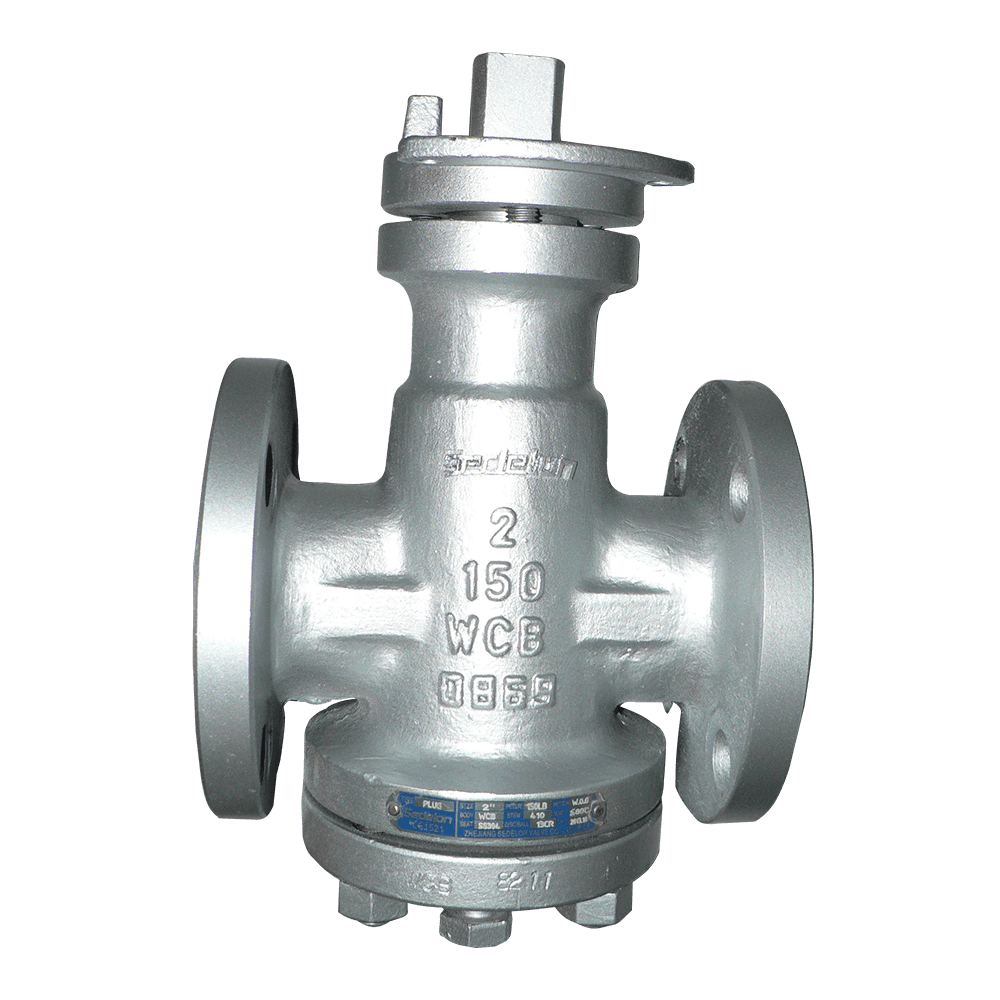
Sedelon cast steel plug valve, Class 150 WCB body — available in both lubricated and sleeve-sealed executions.
When to Choose a Lubricated Plug Valve
Reach for the lubricated design when several of these statements are true:
- The media is dirty, abrasive, waxy or contains solids — the sealant film keeps particles off the sealing faces.
- Line pressure or bore is high enough that a soft sleeve is not an option, for example Class 600 and above.
- The valve is a critical shut-off point where leakage means downtime, flaring or safety exposure.
- Your team already runs a lubrication program and can follow the re-greasing schedule.
- Severe cycling or infrequent operation would otherwise let a dry plug seize in the body.
Need a plug valve rated for severe hydrocarbon service?
Sedelon builds lubricated and pressure-balanced plug valves in Wenzhou, from standard flanged sizes to big-bore API 6D valves. Send your line data for a quotation.
When to Choose a Non-Lubricated Plug Valve
The non-lubricated design is the better fit when these conditions describe your project:
- Media must stay grease-free — chemical, pharmaceutical, water or process sampling lines.
- Operating pressure is Class 150–300 and temperature stays within PTFE limits.
- The valve cycles regularly, so a dry, low-torque motion matters more than extreme pressure capability.
- There is no maintenance crew on site — remote or unmanned stations favor fit-and-forget valves.
- Total cost of ownership matters more than upfront price alone: no sealant purchases, no grease guns, no schedule.
Looking for plug valves that run for years without grease?
Explore Sedelon’s stainless steel and expanding plug valve lines — engineered for low-maintenance, contamination-free shut-off.
A Five-Point Plug Valve Selection Checklist
- Define media cleanliness and purity limits. If even trace grease is unacceptable, the lubricated design is eliminated before anything else is compared.
- Fix pressure class and line size. Big-bore, high-class lines point to pressure-balanced lubricated valves; standard utility sizes suit PTFE sleeves. Large diameters bring extra torque and sealing issues — see our guide on selecting big size plug valves.
- Estimate operating frequency. Frequent cycling wears sleeves; years of sitting favor designs whose sealant film prevents seizure.
- Count your maintenance capacity honestly. A lubricated valve without a lubrication program is a future leak report.
- Confirm standard and test requirements. Pipeline duty usually demands API 6D testing, and hydrocarbon lines often require fire-safe certification — our fire-safe valve testing guide explains the difference between API 607 and API 6FA.
Maintenance and Total Cost of Ownership
Lubricated valves: the sealant is the system
Re-lubrication intervals range from weekly to quarterly depending on pressure, temperature and cycling — always follow the manufacturer’s schedule rather than a calendar guess. Use only the specified sealant grade; incompatible grease washes out or hardens in the grooves. Done right, a lubricated plug valve can be re-sealed years in a row without removal from the line, which is precisely why refineries tolerate the routine. Done wrong, the same valve becomes a chronic leaker and a source of fugitive emissions that environmental audits will catch.
Non-lubricated valves: watch the sleeve, watch the temperature
Non-lubricated designs trade sealant shifts for sleeve monitoring. Torque that slowly rises over months of service is the early signal that a PTFE sleeve is wearing; replacing it is a straightforward shop job. Keep service temperature within the sleeve’s rating, and avoid dry operation against abrasive media — that combination, not the design itself, is what kills soft-sealed plug valves early. Similar mistakes are common in other plug valve families too; our engineers collected the most frequent ones in a guide to selecting high temperature plug valves.
Frequently Asked Questions
What is the main difference between lubricated and non-lubricated plug valves?
A lubricated plug valve seals by injecting grease sealant into grooves between the tapered plug and the body, while a non-lubricated plug valve uses a soft PTFE sleeve or an expanding plug mechanism instead. Lubricated designs tolerate dirty media and higher pressure better; non-lubricated designs need far less maintenance and keep the media grease-free.
How often does a lubricated plug valve need re-lubrication?
In continuous service, most lubricated plug valves need sealant re-injection every few months, and more often at high temperature or with frequent cycling. The exact interval depends on media, pressure class and seat condition, so always follow the valve manufacturer’s lubrication schedule.
Can a non-lubricated plug valve handle abrasive media?
Only to a limit. PTFE-sleeve designs are best for clean to mildly dirty media; heavy abrasives gradually wear the sleeve and raise operating torque. For sandy crude, slurries or gritty gas, a lubricated plug valve generally holds its seal longer.
Are lubricated plug valves suitable for natural gas pipelines?
Yes. Lubricated and pressure-balanced plug valves have long served gas transmission and distribution lines because the injected sealant blocks leak paths even at high differential pressure. Since a small amount of sealant can contact the gas stream, some operators specify non-lubricated types on downstream or instrumentation lines.
Which plug valve type costs less over its lifetime?
In clean, moderate service the non-lubricated plug valve wins — no sealant purchases, no grease program and little attention. The lubricated plug valve becomes the cheaper choice when it prevents leaks, unplanned shutdowns or product contamination in severe duty.
Do both types come in multi-port configurations?
Yes. Both lubricated and non-lubricated plug valves are commonly made in three-way and four-way multi-port bodies for diverting and mixing duty. Check the flow diagram carefully: multi-port valves are not designed for simultaneous full flow through all ports.
Specify Your Plug Valve with Sedelon
Both plug valve families earn their place in a well-designed plant. Lubricated plug valves deliver resilient, bubble-tight sealing in severe hydrocarbon and slurry duty; non-lubricated plug valves keep operation simple where cleanliness and low maintenance matter more. Sedelon has manufactured industrial valves for about 30 years at its Wenzhou base, supplies API 6D and ISO 9001-certified product lines, and exports OEM/ODM worldwide. Send us your pressure class, media and line size, and our engineers will recommend the right plug valve — and quote it — within one working day.
Send Your Plug Valve Specification to Sedelon
Share size, pressure class, media and end connection — our engineers confirm the lubricated or non-lubricated selection and return a quotation, usually within one working day.