



The difference between a pressure seal gate valve and a bolted bonnet gate valve is how the body-to-bonnet joint handles pressure: a bolted bonnet clamps the joint with studs, while a pressure seal uses line pressure itself to tighten a self-energizing gasket. As pressure rises, the bolted bonnet needs ever-larger studs, but the pressure seal actually gets tighter. At Sedelon, a valve manufacturer since 1998 with API 600, API 602, API 6D, ISO 9001 and ISO 15848-1 certifications, we build both designs for power, refinery and steam service. In this guide we compare the two bonnet styles and explain how to specify the right gate valve for high-pressure steam.
How a Gate Valve Works
A gate valve is a linear, multi-turn isolation valve. A wedge or parallel disc moves perpendicular to flow to start or stop it. It is favoured for on/off service because it has almost no pressure drop when fully open and a tight seal when closed. The body-to-bonnet joint is the critical pressure boundary, and that is exactly where pressure seal and bolted bonnet designs diverge.
Bolted Bonnet Gate Valve
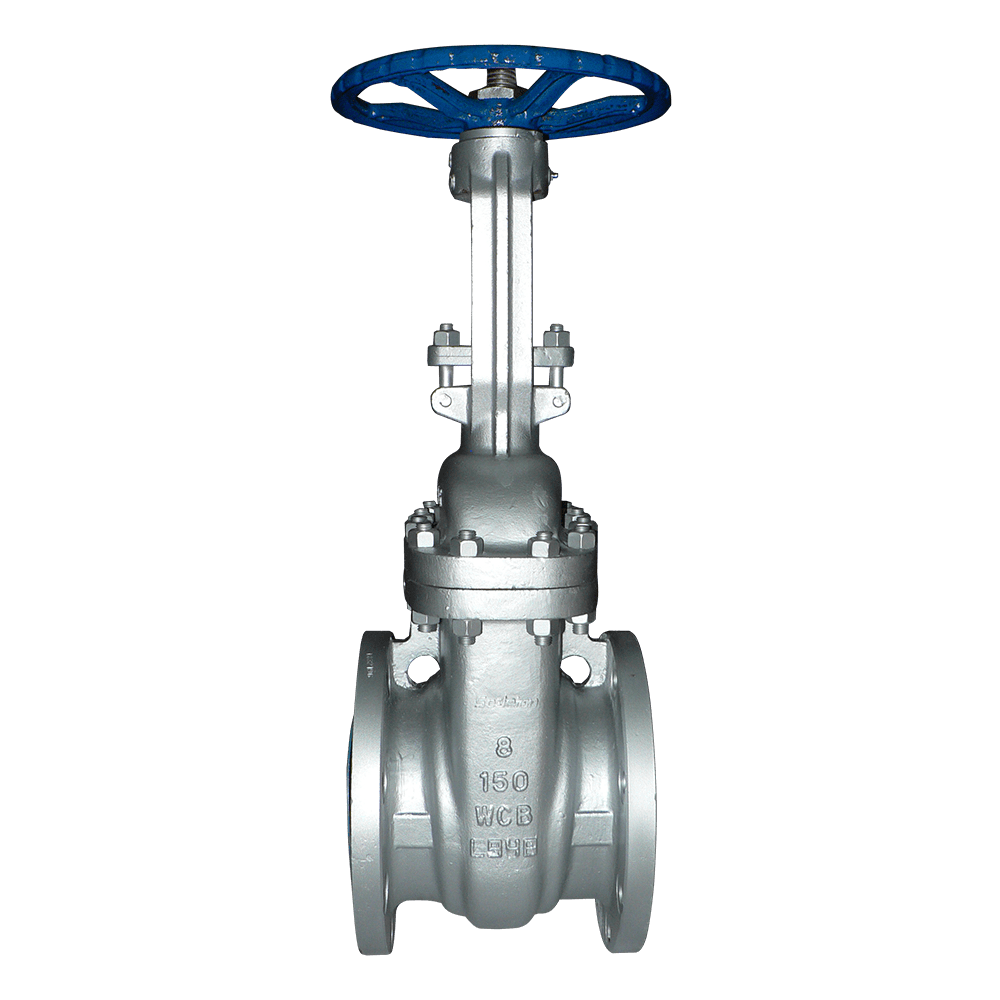
A bolted bonnet gate valve joins the body and bonnet with a flange and a ring of stud bolts plus a spiral-wound or octagonal gasket. The joint is held by the bolt load alone. This is the universal, service-proven design from low pressure up to about Class 600 to 900, and it is easy to assemble, inspect and maintain. Sedelon’s cast steel gate valves and wedge gate valves use bolted bonnets in sizes and ratings covering the majority of plant duties.
Pressure Seal Gate Valve
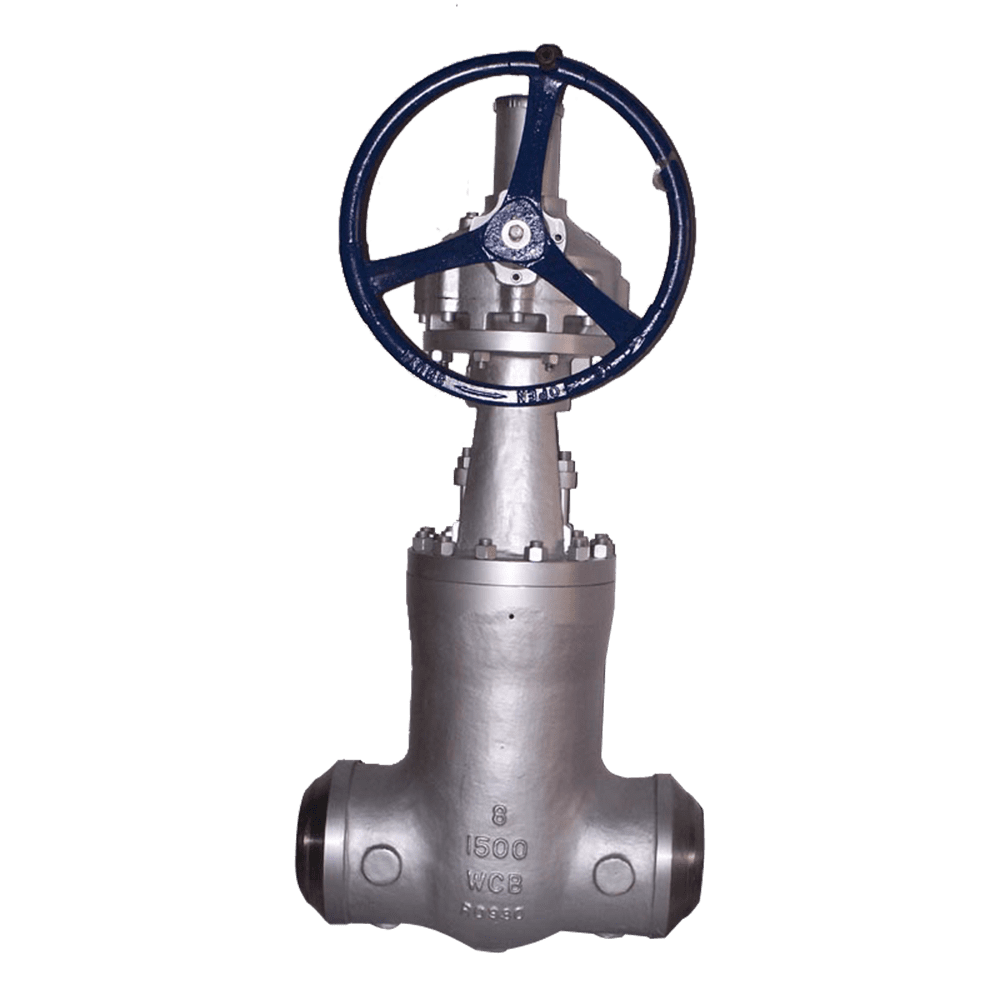
A pressure seal gate valve has no big flange. The bonnet is a pressed-in cylinder sealed by a flexible graphite or metal gasket retained by a retaining ring. Line pressure pushes the bonnet upward into the gasket, so the higher the pressure, the tighter the seal. This removes the need for massive studs and avoids the flange as a leakage path. Sedelon’s pressure seal gate valves are built to API 600 for Class 900 and above, with live-loading packing and low-emission glands for steam and high-pressure hydrocarbon service.
Pressure Seal vs Bolted Bonnet: Key Differences
| Feature | Bolted Bonnet Gate Valve | Pressure Seal Gate Valve |
|---|---|---|
| Body-bonnet joint | Flange + stud bolts + gasket | Pressed-in bonnet + self-energizing gasket |
| Seal force source | Bolt pre-load (fixed) | Line pressure (rises with service) |
| Typical pressure class | 150 to 600 (up to 900) | 900 to 2500 and above |
| Weight & size | Heavier (big flange/studs) | Lighter, more compact bonnet |
| Joint leakage path | Flange gasket (a known path) | Self-energizing, fewer bolts |
| Maintenance | Simple, field-familiar | Specialized; gasket harder to reach |
How to Choose for High-Pressure Steam
1. Pressure Class
Above about Class 600, a bolted bonnet needs very large studs and the flange becomes a heavy, costly leakage risk. From Class 900 upward, the pressure seal is the standard because it seals tighter as steam pressure climbs. Below Class 600, a bolted bonnet is usually the economical and maintenance-friendly choice.
2. Temperature & Thermal Cycling
Main steam, hot reheat and boiler feed lines run at 450°C to 600°C. Pressure seal valves with flexible graphite gaskets and live-loaded packing handle thermal cycling and keep the bonnet joint tight through start-stop transients that can loosen bolted flanges.
3. Fugitive Emissions
For steam and hydrocarbon service, emission limits now drive specification. Both designs can carry live-loading and low-emission glands to ISO 15848-1, but the pressure seal removes the flange gasket as a fugitive-emission source, giving it an edge in severe service.
4. Lifecycle & Maintenance
Bolted bonnets are field-familiar: studs, gasket and flange are easy to inspect and re-torque. Pressure seals are lighter and leak less but need a trained technician for gasket service. For plants with in-house shops, the bolted bonnet stays attractive at moderate ratings.
Typical High-Pressure Steam Applications
Pressure seal gate valves are specified on main steam, hot reheat, cold reheat, boiler feed and extraction lines in thermal and nuclear power plants, and on high-pressure hydrotreater and reformer lines in refineries. Bolted bonnet gate valves serve feedwater, utility and process isolation up to Class 600. For piggable isolation on the same units, pair them with API 6D ball valves. Browse the full gate valve range for the right bonnet style.
Sedelon Gate Valve Solutions
Sedelon has manufactured industrial valves since 1998. Our gate valve programme covers bolted bonnet, pressure seal and outside-screw-and-yoke designs in cast and forged carbon steel, low-alloy, stainless and special alloys, with flexible wedge or parallel-slIDE discs. Every valve is tested in accordance with API 598 and API 600, and our quality lab performs hydrostatic shell and seat, backseat, torque and fugitive-emission tests. With a dedicated stock factory launched in 2023, we support fast-track power and refinery projects across the Middle East, Southeast Asia, Africa, the Americas, Russia and Australia.
Need the Right Gate Valve for High-Pressure Steam?
Send us your pressure class, temperature, medium and end-connection requirement. Our engineering team will recommend a bolted bonnet or pressure seal gate valve with the correct materials and packing.
Frequently Asked Questions
What is the main difference between a pressure seal and a bolted bonnet gate valve?
A bolted bonnet clamps the body and bonnet with stud bolts and a gasket; a pressure seal presses the bonnet in and uses line pressure to energize a self-sealing gasket. The pressure seal gets tighter as pressure rises, while the bolted bonnet relies on a fixed bolt load.
At what pressure class should I switch to a pressure seal gate valve?
Above roughly Class 600 to 900, the bolted bonnet flange becomes heavy and a leakage risk, so the pressure seal becomes the standard. Below Class 600, a bolted bonnet is usually more economical and easier to maintain.
Why are pressure seal valves used for steam service?
Main steam and hot reheat lines reach 450°C to 600°C. Pressure seal valves with graphite gaskets and live-loaded packing keep the bonnet joint tight through thermal cycling and remove the flange gasket as a fugitive-emission path.
Are pressure seal gate valves lighter than bolted bonnet?
Yes. Without a heavy flange and large studs, the pressure seal bonnet is more compact and lighter, which also lowers the pipeline support load. This is why it is preferred at Class 900 and above.
Which is easier to maintain?
The bolted bonnet is field-familiar: studs, gasket and flange are easy to inspect and re-torque. The pressure seal gasket is harder to reach and needs a trained technician, but it leaks far less in severe service.
Can a bolted bonnet gate valve be used for high-pressure steam?
Up to about Class 600 it is common and acceptable. Beyond that, stud size and flange weight grow sharply and the joint can loosen under thermal cycling, so a pressure seal design is the safer specification.
Related Resources
- Sedelon Pressure Seal Gate Valve Product Page
- Sedelon Cast Steel Gate Valve Product Page
- Trunnion Mounted vs Floating Ball Valve: Selection Guide
- Ball Valve Soft Seal Materials Selection
- Butt Weld vs Socket Weld vs Flanged Valves
Conclusion
The choice between a pressure seal gate valve and a bolted bonnet gate valve is a choice between a self-energizing, pressure-tight joint and a bolt-clamped flange. For high-pressure steam above Class 600 to 900, the pressure seal is lighter, tighter and lower-emission, which is why it dominates power and refinery severe service. For moderate duties up to Class 600, the bolted bonnet remains economical and easy to service. Sedelon supplies both with the materials, packing and certifications needed for steam, hydro-carbon and power projects worldwide. Contact our engineering team with your pressure class, temperature and medium and we will specify the right bonnet style for your line.