



 Skip to content

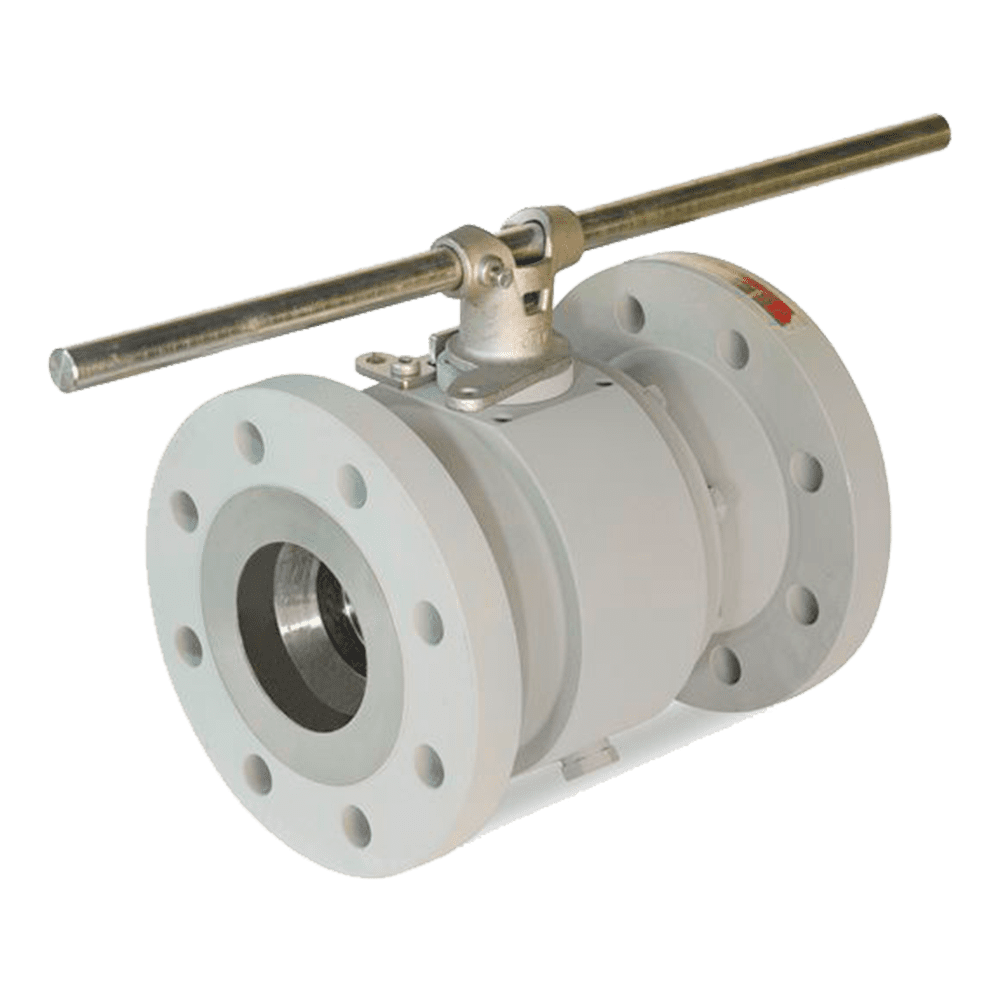
A ball valve’s fugitive leakage paths differ from those of gate and globe valves, so the structure must be clarified first for proper selection. Gate and globe valve stems move up and down, so stem sealing is subject to axial friction; a ball valve stem only rotates 90°, so the packing is subject to rotary friction, which wears more evenly and at a lower rate. This leads to a commonly misunderstood conclusion: ball valves generally do not need the highest durability class of ISO 15848-1—CO3 (100,000 cycles) is intended for frequently cycled globe valves, while most ball valve applications are satisfied by CO1 or CO2.
What a ball valve genuinely adds is the body joint. In two-piece or side-entry ball valves, the body is bolted together, and this joint is a third external leakage path that gate and globe valves do not have. A low-emission design must control both the stem seal and the body joint.
The certification point must be stated clearly to avoid procurement errors: API 624 applies to rising-stem valves (gate, globe), API 641 applies to quarter-turn valves, and ball valves fall under API 641. This differs from check valves—check valves have no stem, so neither standard applies, and only ISO 15848-1 can be used.
Durability class: Ball valves typically cycle far less frequently than globe valves. Select CO1 for fewer than 100 operations per year, CO2 for routine process isolation, and CO3 only when cycling multiple times per day—there is no need to always specify the highest class.
Sealing class: Class B satisfies general LDAR requirements for routine hydrocarbons and natural gas; select Class A for highly toxic media, TA Luft-regulated service, or hydrogen, with a helium leak test report.
Sealing coverage: Both the stem seal (PTFE lip seal + O-ring + graphite emergency ring) and the body joint (spiral-wound graphite gasket or RTJ metal ring gasket) must be covered. Addressing only the stem seal is incomplete.
Temperature and seat: PTFE seats are suitable below approximately 200°C; use PEEK or metal seats for higher temperatures; for cryogenic service, provide an extended bonnet and low-temperature materials. Select the body material per the medium: A105, F304/F316, LF2, F51/F53, or F11/F22.
Q: Do low-emission ball valves require API 624 or API 641?
API 641. API 624 applies to rising-stem valves (gate, globe), and API 641 applies to quarter-turn valves, which includes ball valves. Check valves have no stem, so neither standard applies—only ISO 15848-1 can be used.
Q: Are ball valves harder to make low-emission than gate valves?
The difficulties differ. A ball valve stem involves rotary friction, which wears more evenly; however, split-body ball valves have an additional body joint, a third leakage path that gate and globe valves do not have, and it must be controlled together with the stem seal.
Q: Do ball valves also need the CO3 durability class?
Most applications do not. CO3 (100,000 cycles) targets frequently cycled globe valves; ball valves typically operate fewer than 100 times per year, so CO1 suffices, and CO2 for routine isolation.
At ExxonMobil’s Baytown refining and petrochemical complex in Texas, USA, for the light hydrocarbon and ethylene pipelines of an olefins unit, subject to strict LDAR monitoring under EPA and Texas TCEQ regulations, the original standard ball valves leaked methane at the stem packing at levels up to 1,100 ppmv. The unit’s annual VOC emissions exceeded limits and faced fines of USD 25,000 per day. Flowork supplied 64 low-emission ball valves, NPS 2–8, Class 300: A216 WCB body, ISO 15848-1 Class BH certified, dual packing box with Belleville spring live-loaded packing, one-piece fugitive-emission-proof stem with a leak detection port, designed per API 6D and fugitive-emission tested per API 624, with on-site witnessing by ExxonMobil Global Projects quality control. Since commissioning in 2023, they have run continuously for two years. Measured fugitive emissions per valve have remained consistently below 60 ppmv, the unit’s annual reported VOC emissions dropped by 49%, and all LDAR inspections passed.
Class150
Low emission ball valves

| NPS | in | 2 | 2 1/2 | 3 | 4 | 6 | 8 | 10 | 12 | 14 | 16 | 18 | 20 | 24 |
| d | mm | 51 | 64 | 76 | 102 | 152 | 203 | 254 | 305 | 337 | 387 | 438 | 489 | 591 |
| L(RF) | mm | 178 | 190 | 203 | 229 | 394 | 457 | 533 | 610 | 686 | 762 | 864 | 914 | 1016 |
| d1 | mm | 92 | 105 | 127 | 157 | 216 | 270 | 324 | 381 | 413 | 470 | 533 | 584 | 692 |
| d2 | mm | 120.5 | 139.5 | 152.5 | 190.5 | 241.5 | 298.5 | 362 | 432 | 476 | 540 | 578 | 635 | 749.5 |
| D | mm | 152 | 178 | 190 | 229 | 279 | 343 | 406 | 483 | 533 | 597 | 635 | 699 | 813 |
| b | mm | 16 | 18 | 19 | 24 | 26 | 29 | 31 | 32 | 35 | 37 | 40 | 43 | 48 |
| n-Фd | mm | 4-19 | 4-19 | 4-19 | 8-19 | 8-22 | 8-22 | 12-25 | 12-25 | 12-29 | 16-29 | 16-32 | 20-32 | 20-35 |
| H | mm | 176 | 200 | 215 | 252 | 330 | 448 | 505 | 556 | 620 | 700 | 750 | 805 | 1110 |
| W | mm | 350 | 400 | 400 | 500 | 1000 | 300 | 350 | 400 | 500 | 500 | 500 | 500 | 500 |
Class300
Low emission ball valves

| NPS | in | 2 | 2 1/2 | 3 | 4 | 6 | 8 | 10 | 12 | 14 | 16 | 18 | 20 | 24 |
| d | mm | 51 | 64 | 76 | 102 | 152 | 203 | 254 | 305 | 337 | 387 | 432 | 483 | 584 |
| L(RF) | mm | 216 | 241 | 283 | 305 | 403 | 502 | 568 | 648 | 762 | 838 | 914 | 991 | 1143 |
| d1 | mm | 92 | 105 | 127 | 157 | 216 | 270 | 324 | 381 | 413 | 470 | 533 | 584 | 692 |
| d2 | mm | 127 | 149 | 168.5 | 200 | 270 | 330 | 387.5 | 451 | 514.5 | 571.5 | 628.5 | 686 | 813 |
| D | mm | 165 | 190 | 210 | 254 | 318 | 381 | 445 | 521 | 584 | 648 | 711 | 775 | 914 |
| b | mm | 23 | 26 | 29 | 32 | 37 | 42 | 48 | 51 | 54 | 58 | 61 | 64 | 70 |
| n-Фd | mm | 8-19 | 8-22 | 8-22 | 8-22 | 12-22 | 12-25 | 16-29 | 16-32 | 20-32 | 20-35 | 24-35 | 24-35 | 24-41 |
| H | mm | 176 | 200 | 215 | 252 | 330 | 448 | 505 | 556 | 620 | 700 | 750 | 805 | 1110 |
| W | mm | 350 | 400 | 400 | 500 | 1000 | 300 | 350 | 400 | 500 | 500 | 500 | 500 | 500 |
Class600
Low emission ball valves

| NPS | in | 2 | 3 | 4 | 5 | 6 | 8 | 10 | 12 | 14 | 16 | 18 | 20 | 24 |
| d | mm | 51 | 76 | 102 | 127 | 152 | 200 | 248 | 298 | 327 | 375 | 419 | 464 | 559 |
| L(RF) | mm | 292 | 356 | 432 | 508 | 559 | 660 | 787 | 838 | 889 | 991 | 1092 | 1194 | 1397 |
| d1 | mm | 92 | 127 | 157 | 186 | 216 | 270 | 324 | 381 | 413 | 470 | 533 | 584 | 692 |
| d2 | mm | 127 | 168.5 | 216 | 267 | 292 | 349 | 432 | 489 | 527 | 603 | 654 | 724 | 838 |
| D | mm | 165 | 210 | 273 | 330 | 356 | 419 | 508 | 559 | 603 | 686 | 743 | 813 | 940 |
| b | mm | 26 | 32 | 38 | 45 | 48 | 56 | 64 | 67 | 70 | 77 | 83 | 89 | 102 |
| n-Фd | mm | 8-19 | 8-22 | 8-25 | 8-29 | 12-29 | 12-32 | 16-35 | 20-35 | 20-38 | 20-41 | 20-44 | 24-44 | 24-52 |
| H | mm | 192 | 279 | 315 | 320 | 323 | 381 | 518 | 568 | 665 | 730 | 795 | 825 | 973 |
| W | mm | 600 | 1000 | 1500 | 1500 | 1500 | 500 | 500 | 500 | 500 | 500 | 500 | 500 | 500 |
Class900
Low emission ball valves

| NPS | in | 2 | 3 | 4 | 5 | 6 | 8 | 10 | 12 | 14 | 16 | 18 | 20 | 24 |
| d | mm | 47 | 73 | 98 | 121 | 146 | 190 | 234 | 282 | 311 | 354 | 400 | 444 | 533 |
| L(RF) | mm | 368 | 381 | 457 | 559 | 610 | 737 | 838 | 965 | 1029 | 1130 | 1219 | 1321 | 1549 |
| L(RTJ) | mm | 371 | 384 | 460 | 562 | 613 | 740 | 841 | 968 | 1039 | 1140 | 1232 | 1334 | 1568 |
| d1 | mm | 92 | 127 | 157 | 186 | 216 | 270 | 324 | 381 | 413 | 470 | 533 | 584 | 692 |
| d2 | mm | 165 | 190.5 | 235 | 279.4 | 317.5 | 393.7 | 469.9 | 533.4 | 558.8 | 615.9 | 685.8 | 749.3 | 901.7 |
| D | mm | 216 | 241 | 292 | 349 | 381 | 470 | 545 | 610 | 640 | 705 | 785 | 855 | 1040 |
| b | mm | 38.5 | 38.5 | 44.5 | 51 | 56 | 64 | 70 | 79.5 | 86 | 89 | 102 | 108 | 140 |
| n-Фd | mm | 8-26 | 8-26 | 8-32 | 8-35 | 12-32 | 12-39 | 16-39 | 20-39 | 20-42 | 20-45 | 20-51 | 20-54 | 20-67 |
| H | mm | 192 | 279 | 315 | 320 | 323 | 381 | 518 | 568 | 665 | 730 | 795 | 825 | 973 |
| W | mm | 600 | 1000 | 1500 | 1500 | 500 | 500 | 500 | 500 | 500 | 500 | 500 | 500 | 500 |
API Trim NO.
Table
|
No |
Seat |
Gate、disc 、ball or body |
Stem |
No |
Seat |
Gate、disc 、ball or body |
Stem | |
| 01 | 13Cr | 13Cr | 13Cr | 31 | STELLITE | 321SS | 321SS | |
| 02 | 304SS | 304SS | 304SS | 32 | STELLITE | STELLITE | 321SS | |
| 03 | 310SS | 310SS | 310SS | 33 | 347SS | 347SS | 347SS | |
| 04 | HARD 13Cr | HARD 13Cr | 13Cr | 34 | STELLITE | 347SS | 347SS | |
| 05 | STELLITE | STELLITE | 13Cr | 35 | NICKEL ALLOY | 13Cr | 13Cr | |
| 06 | Cu-Ni | 13Cr | 13Cr | 36 | A105/PTFE | A105+ENP | A105+ENP | |
| 07 | 13Cr | HARD 13Cr | 13Cr | 37 | A105/PTFE | WCB+ENP | A105+ENP | |
| 08 | STELLITE | 13Cr | 13Cr | 38 | 13Cr/PTFE | 13Cr | 13Cr | |
| 09 | Cu-Ni | Cu-Ni | Cu-Ni | 39 | 304SS/PTFE | 304SS | 304SS | |
| 10 | 316SS | 316SS | 316SS | 40 | 316SS/PTFE | 316SS | 316SS | |
| 11 | Cu-Ni | STELLITE | Cu-Ni | 41 | A105/RPTFE | A105+ENP | A105+ENP | |
| 12 | STELLITE | 316SS | 316SS | 42 | A105/RPTFE | WCB+ENP | A105+ENP | |
| 13 | ALLOY 20 | ALLOY 20 | ALLOY 20 | 43 | 13Cr/RPTFE | 13Cr | 13Cr | |
| 14 | STELLITE | ALLOY 20 | ALLOY 20 | 44 | 304SS/RPTFE | 304SS | 304SS | |
| 15 | STELLITE | STELLITE | 304SS | 45 | 316SS/RPTFE | 316SS | 316SS | |
| 16 | STELLITE | STELLITE | 316SS | 46 | A105/NYLON | A105+ENP | A105+ENP | |
| 17 | STELLITE | STELLITE | 347SS | 47 | A105/NYLON | WCB+ENP | A105+ENP | |
| 18 | STELLITE | STELLITE | ALLOY 20 | 48 | A105/NYLON | 304SS | 304SS | |
| 19 | MONEL | MONEL | MONEL | 49 | A105/NYLON | 316SS | 316SS | |
| 20 | BRONZE | BRONZE | 13Cr | 50 | 13Cr/NYLON | 13Cr | 13Cr | |
| 21 | HASTELLOY B | HASTELLOY B | HASTELLOY B | 51 | 304SS/NYLON | 304SS | 304SS | |
| 22 |
| HASTELLOY C | HASTELLOY C | 52 | 316SS/NYLON | 316SS | 316SS | |
| 23 | STELLITE | 304SS | 304SS | 53 | A105/PEEK | A105+ENP | A105+ENP | |
| 24 | 304LSS | 304LSS | 304LSS | 54 | A105/PEEK | WCB+ENP | A105+ENP | |
| 25 | STELLITE | 304LSS | 304LSS | 55 | 13Cr/PEEK | 13Cr | 13Cr | |
| 26 | STELLITE | STELLITE | 304LSS | 56 | 304SS/PEEK | 304SS | 304SS | |
| 27 | 316LSS | 316LSS | 316LSS | 57 | 316SS/PEEK | 316SS | 316SS | |
| 28 | STELLITE | 316LSS | 316LSS |
|
|
|
|
|
| 29 | STELLITE | STELLITE | 316LSS |
|
|
| ||
| 30 | 321SS | 321SS | 321SS |
|
|
|
| |
Note:please indicate it directly in the
order for the internal part’smaterial uncovered in the table


 Optimized by Seraphinite Accelerator