



 Skip to content

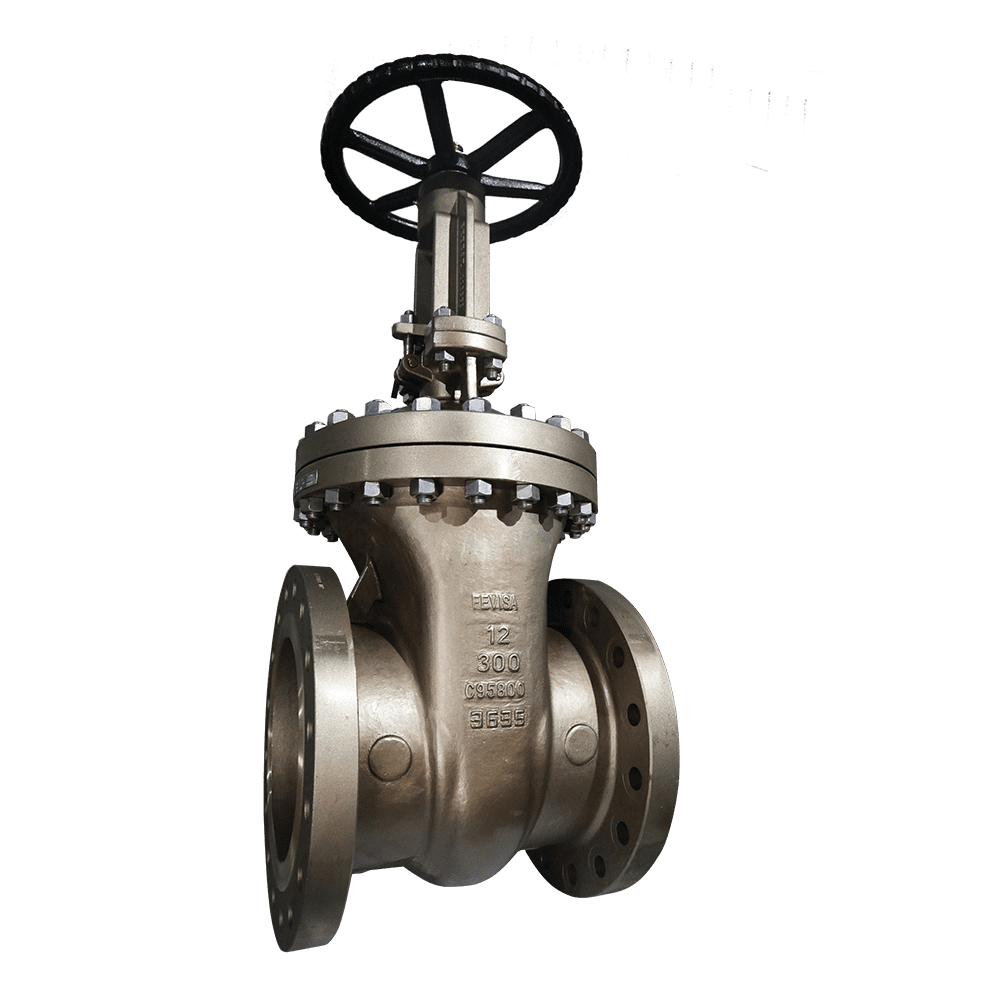
One of the most insidious failure mechanisms in large-diameter seawater piping is dezincification. In conventional brass or lower-grade bronze valve bodies, zinc-rich phases can be selectively leached out in seawater, leaving behind a porous copper-rich structure. Although the external surface may still appear intact, the internal material can suffer significant loss of strength. Under pressure during sea trials or operation, the valve body may begin to leak, resulting in failed classification approval and costly dry-docking for valve replacement.
The valve body is manufactured from C95800 nickel-aluminum bronze, which offers excellent resistance to dezincification and long-term seawater corrosion. Aluminum and nickel promote the formation of a dense, stable protective film on the material surface, significantly improving corrosion resistance in seawater service. Large valve bodies are produced using controlled solidification casting practices to minimize shrinkage cavities, porosity, and other casting defects in heavy-wall sections, reducing the risk of leakage during pressure testing and long-term operation.
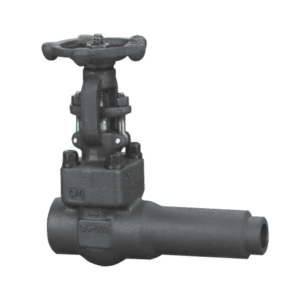
The valve features an OS&Y rising-stem design with a wedge gate. The resilient wedge configuration accommodates thermal expansion caused by temperature fluctuations, reducing the risk of thermal binding between the gate and seats.
The stem and bonnet bolting are manufactured from corrosion-resistant stainless steel. Material pairing is carefully controlled to minimize galvanic corrosion between the bronze valve and adjacent metallic components. Where the valve is installed between carbon-steel piping flanges, insulating gaskets and sleeves can be used to electrically isolate dissimilar metals and reduce galvanic corrosion.
For large-diameter valves, a bypass arrangement can be provided. Before opening the main valve, the bypass is opened first to equalize upstream and downstream pressure, reducing differential pressure across the gate. This significantly lowers operating torque and helps prevent damage to the stem, stem nut, and operating mechanism.
For seawater service involving erosion or high flow velocity, corrosion-resistant hardfacing can be applied to the seating surfaces to improve long-term sealing performance. Every valve is pressure tested in accordance with API 598 prior to shipment, and complete test documentation is available. Classification society certification can also be supplied according to project requirements.
Material Grade:For seawater service, C95800 nickel-aluminum bronze is recommended. The material certificate should be traceable to the corresponding heat number. Conventional brass or unsuitable bronze grades should not be substituted for marine seawater applications.
Bypass Arrangement:A bypass valve is recommended for large-diameter valves, particularly DN200 and above. Pressure equalization before opening the main valve reduces operating torque and helps prevent stem damage caused by excessive differential pressure.
Galvanic Corrosion Protection:When connecting a bronze valve to carbon-steel or low-alloy steel piping, galvanic corrosion should be considered. Insulating gaskets and bolt sleeves can be installed at the flange connection to electrically isolate dissimilar metals and reduce galvanic corrosion.
Classification Society Approval:For marine and offshore projects, the required classification society should be specified at the quotation and engineering stage, such as DNV, LR, BV, CCS, or KR. Type approval, material certification, and third-party inspection requirements should be confirmed in advance.
Q: Why is a large-size bronze gate valve more expensive than a cast iron valve?A: Nickel-aluminum bronze has a substantially higher material cost than cast iron, while large bronze castings also require tighter control of melting, pouring, solidification, and casting quality. However, its superior resistance to seawater corrosion and dezincification can significantly reduce replacement, dry-docking, and lifecycle maintenance costs.
Q: Why can a large-diameter gate valve become difficult to open?A: When there is a high differential pressure across the valve, the pressure
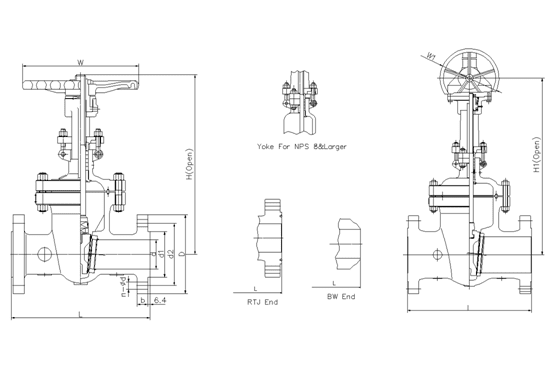
Class150Big size Bronze gate valve
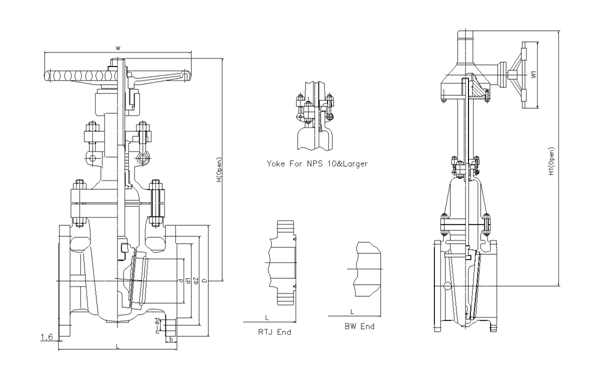
| NPS | in | 2 | 2 1/2 | 3 | 4 | 5 | 6 | 8 | 10 | 12 | 14 | 16 | 18 | 20 | 24 |
| d | mm | 51 | 64 | 76 | 102 | 127 | 152 | 203 | 254 | 305 | 337 | 387 | 438 | 489 | 591 |
| L(RF) | mm | 178 | 190 | 203 | 229 | 254 | 267 | 292 | 330 | 356 | 381 | 406 | 432 | 457 | 508 |
| L(BW) | mm | 216 | 241 | 283 | 305 | 381 | 403 | 419 | 457 | 502 | 572 | 610 | 660 | 711 | 813 |
| L(RTJ) | mm | 191 | 203 | 216 | 241 | 267 | 279 | 305 | 343 | 368 | 394 | 419 | 445 | 470 | 521 |
| d1 | mm | 92 | 105 | 127 | 157 | 186 | 216 | 270 | 324 | 381 | 413 | 470 | 533 | 584 | 692 |
| d2 | mm | 120.5 | 139.5 | 152.5 | 190.5 | 216 | 241.5 | 298.5 | 362 | 432 | 476 | 540 | 578 | 635 | 749.5 |
| D | mm | 152 | 178 | 190 | 229 | 254 | 279 | 343 | 406 | 483 | 533 | 597 | 635 | 699 | 813 |
| b | mm | 16 | 18 | 19 | 24 | 24 | 26 | 29 | 31 | 32 | 35 | 37 | 40 | 43 | 48 |
| n-Фd | mm | 4-19 | 4-19 | 4-19 | 8-19 | 8-22 | 8-22 | 8-22 | 12-25 | 12-25 | 12-29 | 16-29 | 16-32 | 20-32 | 20-35 |
| H | mm | 400 | 435 | 515 | 595 | 725 | 780 | 975 | 1150 | 1380 | 1545 | 1733 | 1915 | 2122 | 2520 |
| H1 | mm |
|
|
|
|
| 820 | 1020 | 1200 | 1430 | 1580 | 1780 | 1990 | 2220 | 2600 |
| W | mm | 200 | 200 | 250 | 280 | 280 | 300 | 350 | 400 | 450 | 500 | 500 | 500 | 600 | 600 |
| W1 | mm |
|
|
|
|
| 310 | 310 | 310 | 310 | 310 | 460 | 460 | 460 | 460 |
Class300 Big size Bronze gate valve
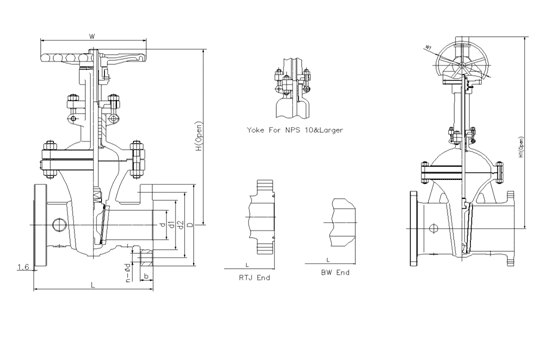
| NPS | in | 2 | 2 1/2 | 3 | 4 | 5 | 6 | 8 | 10 | 12 | 14 | 16 | 18 | 20 | 24 |
| d | mm | 51 | 64 | 76 | 102 | 127 | 152 | 203 | 254 | 305 | 337 | 387 | 432 | 483 | 584 |
| L(RF) | mm | 216 | 241 | 283 | 305 | 381 | 403 | 419 | 457 | 502 | 762 | 838 | 914 | 991 | 1143 |
| L(BW) | mm | 216 | 241 | 283 | 305 | 381 | 403 | 419 | 457 | 502 | 762 | 838 | 914 | 991 | 1143 |
| L(RTJ) | mm | 232 | 257 | 298 | 321 | 397 | 419 | 435 | 473 | 518 | 778 | 854 | 930 | 1010 | 1165 |
| d1 | mm | 92 | 105 | 127 | 157 | 186 | 216 | 270 | 324 | 381 | 413 | 470 | 533 | 584 | 692 |
| d2 | mm | 127 | 149 | 168.5 | 200 | 235 | 270 | 330 | 387.5 | 451 | 514.5 | 571.5 | 628.5 | 686 | 813 |
| D | mm | 165 | 190 | 210 | 254 | 279 | 318 | 381 | 445 | 521 | 584 | 648 | 711 | 775 | 914 |
| b | mm | 23 | 26 | 29 | 32 | 35 | 37 | 42 | 48 | 51 | 54 | 58 | 61 | 64 | 70 |
| n-Фd | mm | 8-19 | 8-22 | 8-22 | 8-22 | 8-22 | 12-22 | 12-25 | 16-29 | 16-32 | 20-32 | 20-35 | 24-35 | 24-35 | 24-41 |
| H | mm | 420 | 446 | 537 | 619 | 722 | 806 | 1000 | 1240 | 1425 | 1585 | 1790 | 1960 | 2158 | 2576 |
| H1 | mm |
|
|
| 650 | 750 | 835 | 1030 | 1280 | 1460 | 1620 | 1830 | 2000 | 2220 | 2620 |
| W | mm | 200 | 200 | 250 | 280 | 300 | 350 | 400 | 450 | 500 | 500 | 600 | 650 | 750 | 900 |
| W1 | mm |
|
|
| 310 | 310 | 310 | 310 | 310 | 310 | 460 | 460 | 460 | 460 | 600 |
Class600 Big size Bronze gate valve
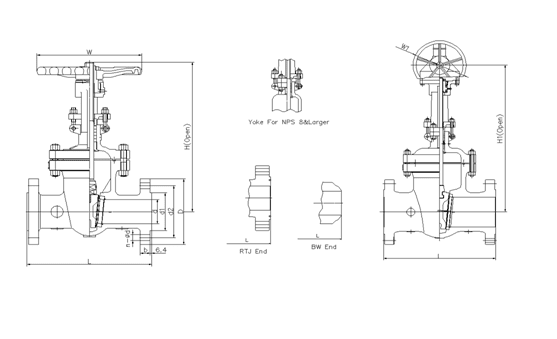
| NPS | in | 2 | 2 1/2 | 3 | 4 | 5 | 6 | 8 | 10 | 12 | 14 | 16 | 18 | 20 | 24 |
| d | mm | 51 | 64 | 76 | 102 | 127 | 152 | 200 | 248 | 298 | 327 | 375 | 419 | 464 | 559 |
| L(RF) | mm | 292 | 330 | 356 | 432 | 508 | 559 | 660 | 787 | 838 | 889 | 991 | 1092 | 1194 | 1397 |
| L(BW) | mm | 292 | 330 | 356 | 432 | 508 | 559 | 660 | 787 | 838 | 889 | 991 | 1092 | 1194 | 1397 |
| L(RTJ) | mm | 295 | 333 | 359 | 435 | 511 | 562 | 664 | 791 | 841 | 892 | 994 | 1095 | 1200 | 1407 |
| d1 | mm | 92 | 105 | 127 | 157 | 186 | 216 | 270 | 324 | 381 | 413 | 470 | 533 | 584 | 692 |
| d2 | mm | 127 | 149 | 168.5 | 216 | 267 | 292 | 349 | 432 | 489 | 527 | 603 | 654 | 724 | 838 |
| D | mm | 165 | 190 | 210 | 273 | 330 | 356 | 419 | 508 | 559 | 603 | 686 | 743 | 813 | 940 |
| b | mm | 26 | 29 | 32 | 38 | 45 | 48 | 56 | 64 | 67 | 70 | 77 | 83 | 89 | 102 |
| n-Фd | mm | 8-19 | 8-22 | 8-22 | 8-25 | 8-29 | 12-29 | 12-32 | 16-35 | 20-35 | 20-38 | 20-41 | 20-44 | 24-44 | 24-52 |
| H | mm | 444 | 500 | 558 | 665 | 760 | 868 | 1073 | 1263 | 1600 | 1705 | 1835 |
|
|
|
| H1 | mm |
|
| 585 | 695 | 790 | 900 | 1110 | 1300 | 1650 | 1750 | 1900 | 2020 | 2172 | 2650 |
| W | mm | 200 | 250 | 280 | 300 | 350 | 450 | 500 | 650 | 700 | 900 | 900 |
|
|
|
| W1 | mm |
|
| 310 | 310 | 310 | 310 | 310 | 460 | 460 | 460 | 460 | 600 | 600 | 600 |
Class900
Big size Bronze gate valve
| NPS | in | 2 | 2 1/2 | 3 | 4 | 5 | 6 | 8 | 10 | 12 | 14 | 16 | 18 | 20 | 24 |
| d | mm | 47 | 57 | 73 | 98 | 121 | 146 | 190 | 234 | 282 | 311 | 354 | 400 | 444 | 533 |
| L(RF) | mm | 368 | 419 | 381 | 457 | 559 | 610 | 737 | 838 | 965 | 1029 | 1130 | 1219 | 1321 | 1549 |
| L(BW) | mm | 368 | 419 | 381 | 457 | 559 | 610 | 737 | 838 | 965 | 1029 | 1130 | 1219 | 1321 | 1549 |
| L(RTJ) | mm | 371 | 422 | 384 | 460 | 562 | 613 | 740 | 841 | 968 | 1039 | 1140 | 1232 | 1334 | 1568 |
| d1 | mm | 92 | 105 | 127 | 157 | 186 | 216 | 270 | 324 | 381 | 413 | 470 | 533 | 584 | 692 |
| d2 | mm | 165 | 190.5 | 190.5 | 235 | 279.4 | 317.5 | 393.7 | 469.9 | 533.4 | 558.8 | 615.9 | 685.8 | 749.3 | 901.7 |
| D | mm | 216 | 244 | 241 | 292 | 349 | 381 | 470 | 545 | 610 | 640 | 705 | 785 | 855 | 1040 |
| b | mm | 38.5 | 41.5 | 38.5 | 44.5 | 51 | 56 | 64 | 70 | 79.5 | 86 | 89 | 102 | 108 | 140 |
| n-Фd | mm | 8-26 | 8-29 | 8-26 | 8-32 | 8-35 | 12-32 | 12-39 | 16-39 | 20-39 | 20-42 | 20-45 | 20-51 | 20-54 | 20-67 |
| H | mm | 500 | 550 | 610 | 702 | 850 | 980 | 1100 | 1320 | 1500 | 1900 | 2050 |
|
|
|
| H1 | mm |
|
| 660 | 750 | 900 | 1060 | 1140 | 1370 | 1560 | 1950 | 2100 | 2300 | 2450 | 2600 |
| W | mm | 280 | 280 | 300 | 350 | 400 | 500 | 650 | 700 | 900 | 900 | 900 |
|
|
|
| W1 | mm |
|
| 310 | 310 | 310 | 460 | 460 | 460 | 460 | 600 | 600 | 600 | 600 | 600 |
 Optimized by Seraphinite Accelerator